Healthcare Portfolio
“Our Healthcare practice explores the connectivity between patient-focused healing and the quality of the spatial experience. In this spirit, we create beautiful healing spaces equipped for the healthcare spaces of tomorrow.”

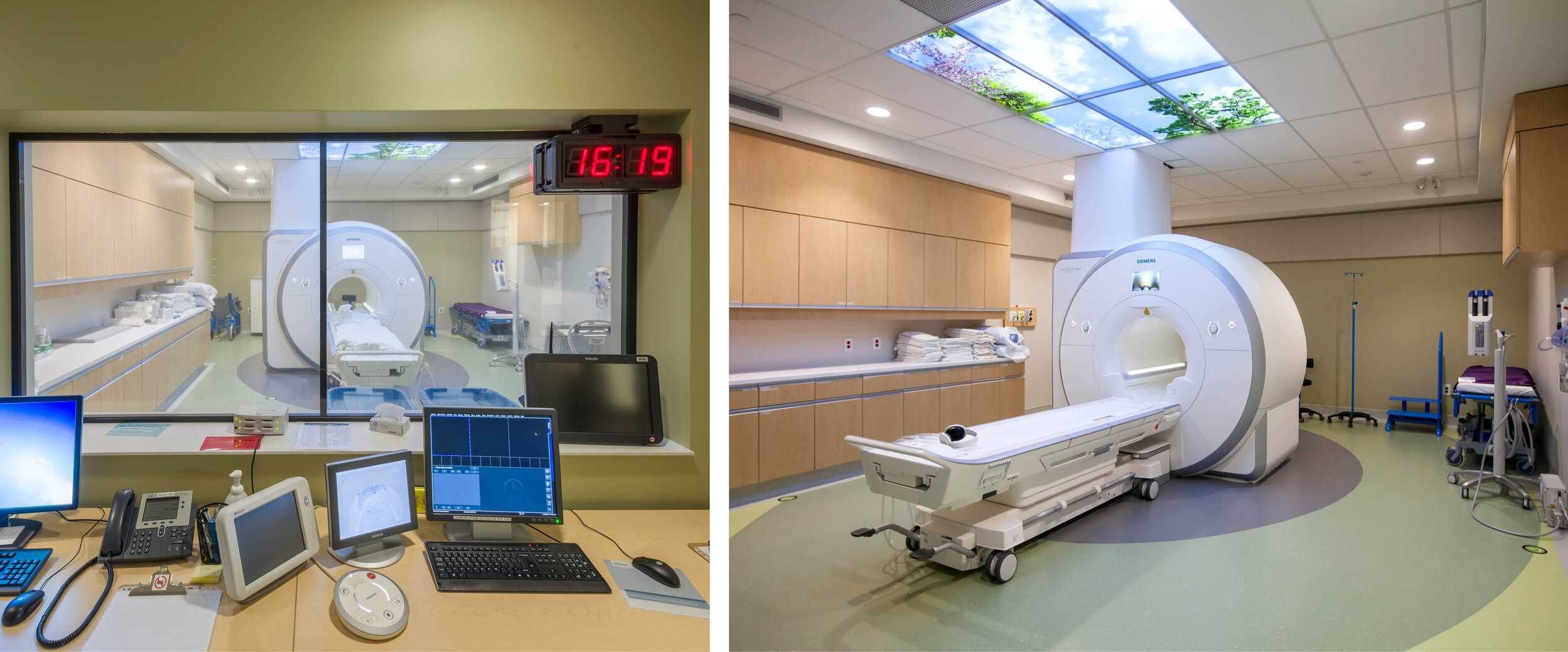
Healthcare facilities are comprised of diverse spaces with specialized considerations and requirements and include clinics, diagnostic and treatment areas, inpatient units, research laboratories as well a non-clinical areas that support the operations. Over the last 60 years our team has developed expertise in healthcare design and understand how each of the spaces work together to affect and impact the lives of the patients, visitors and staff.

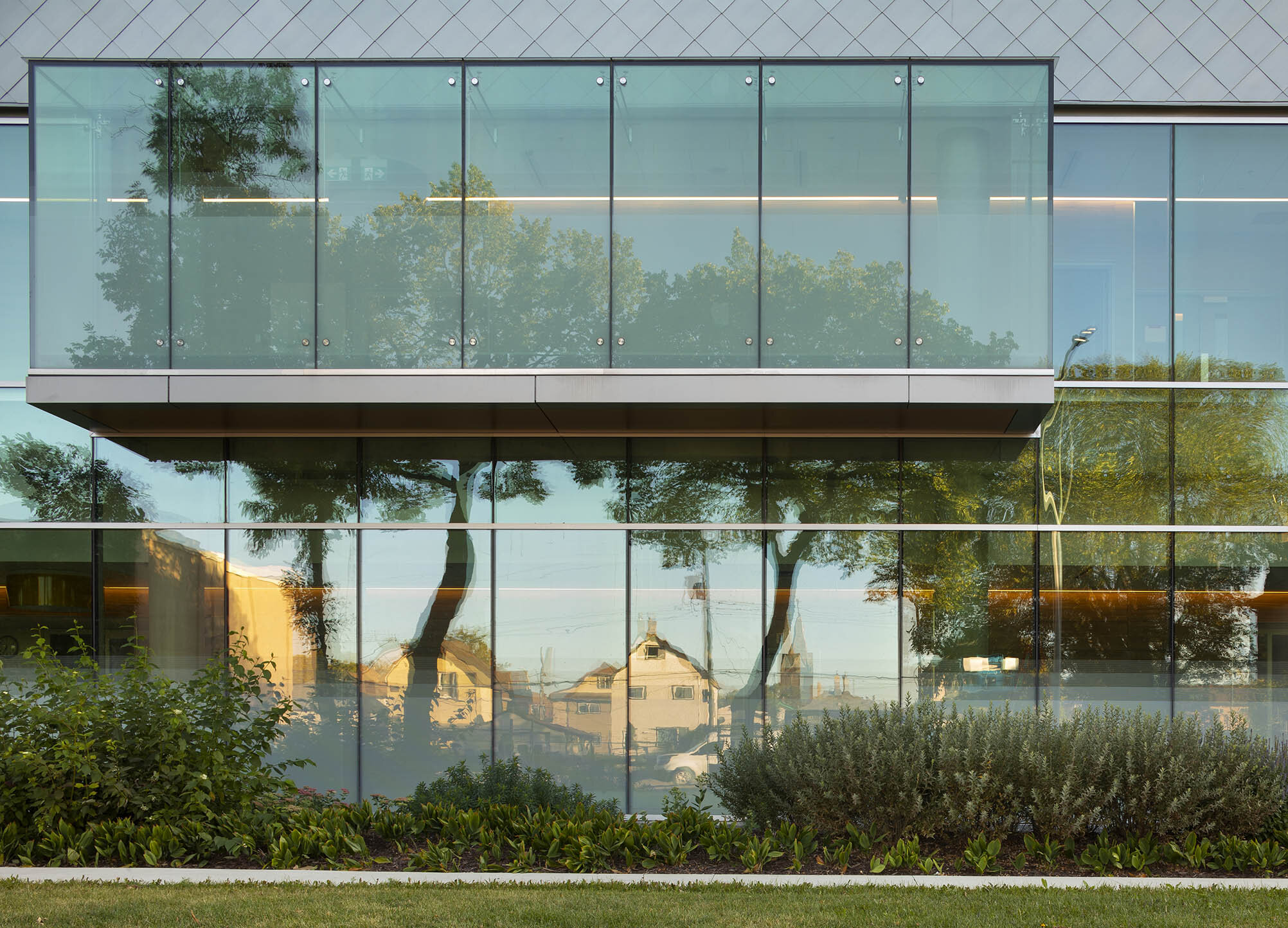
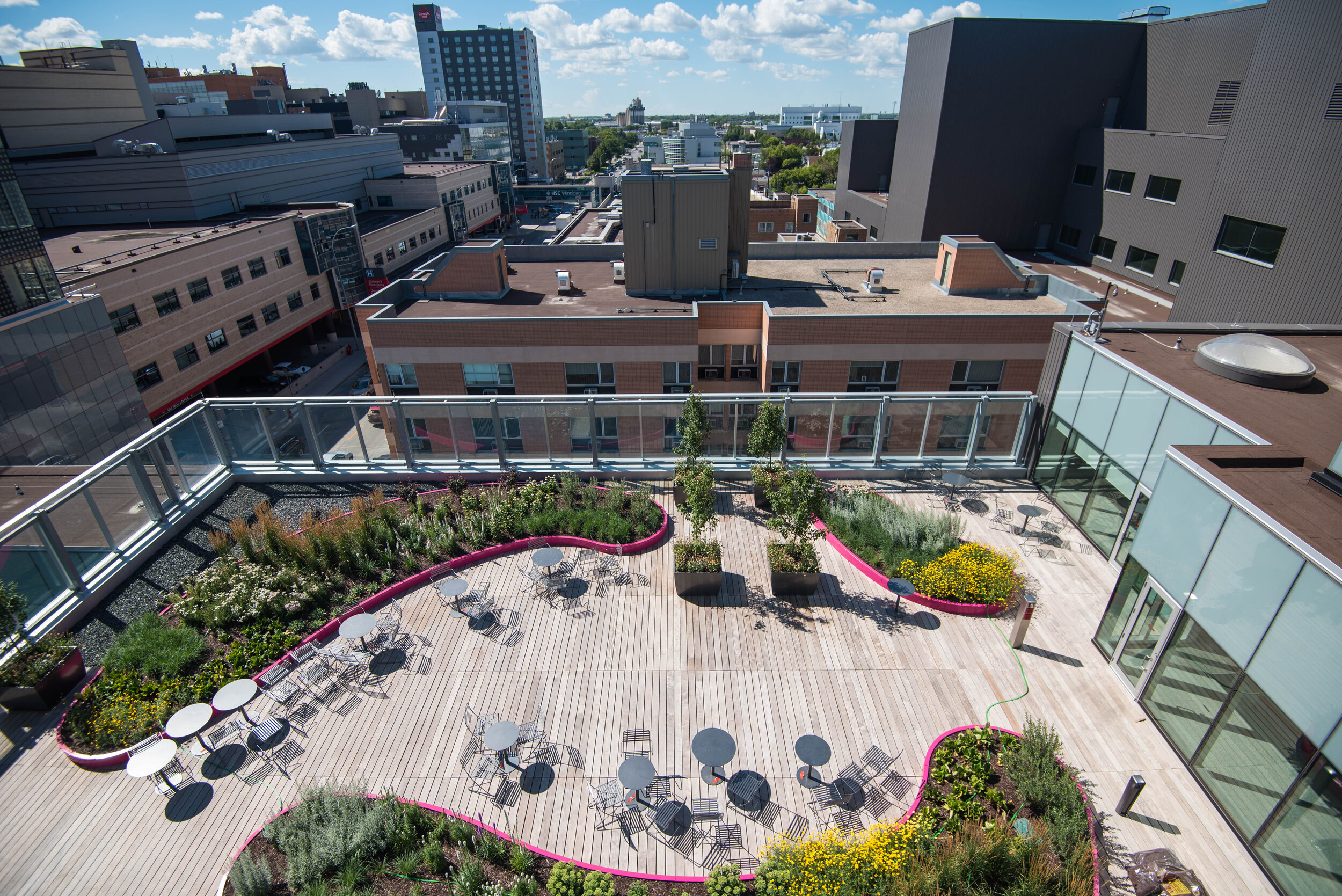
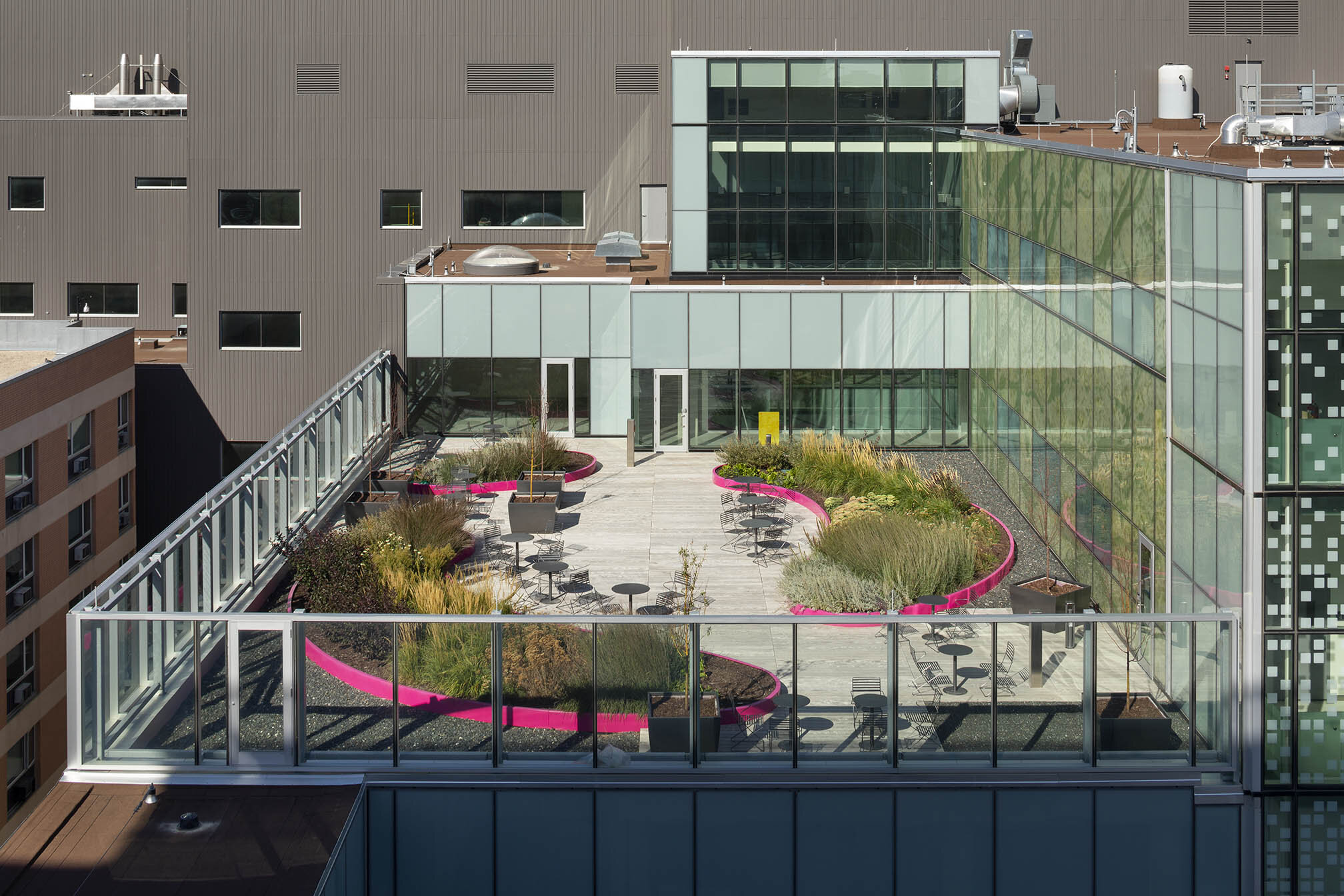
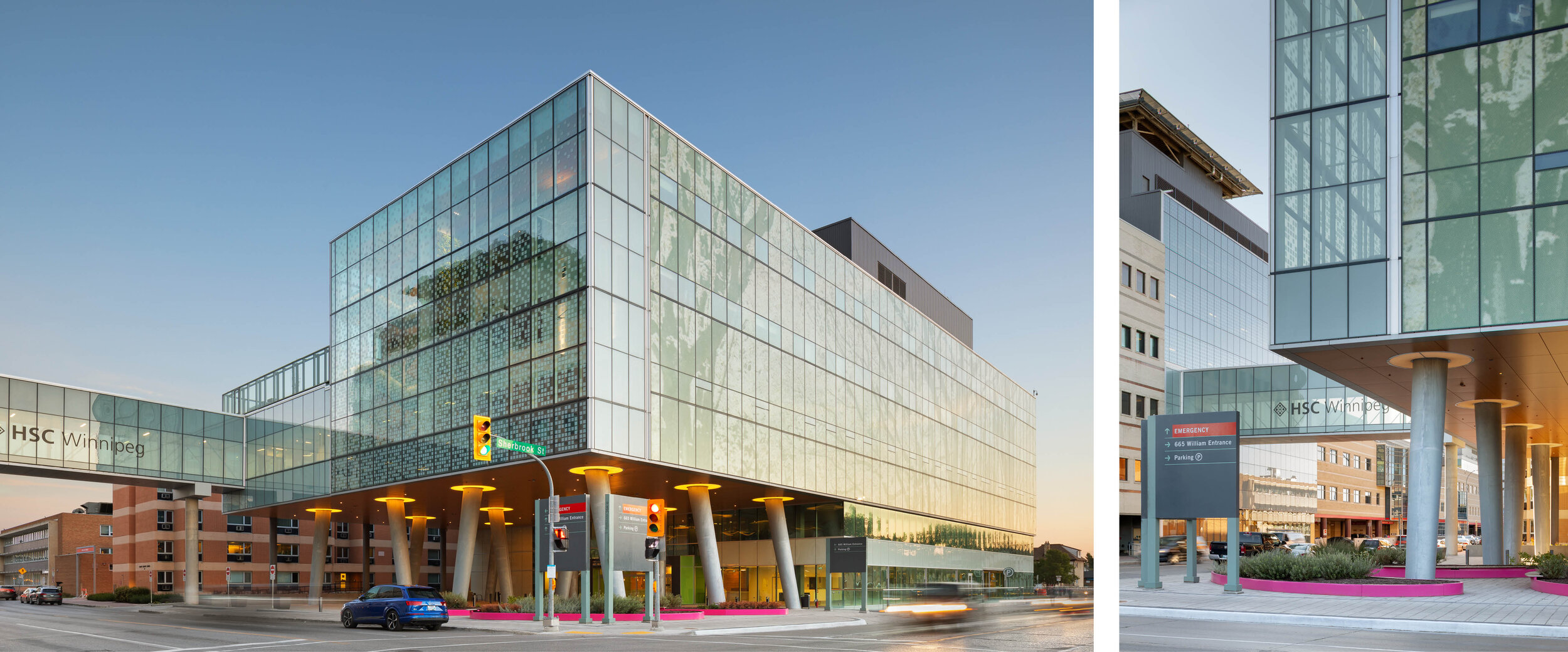
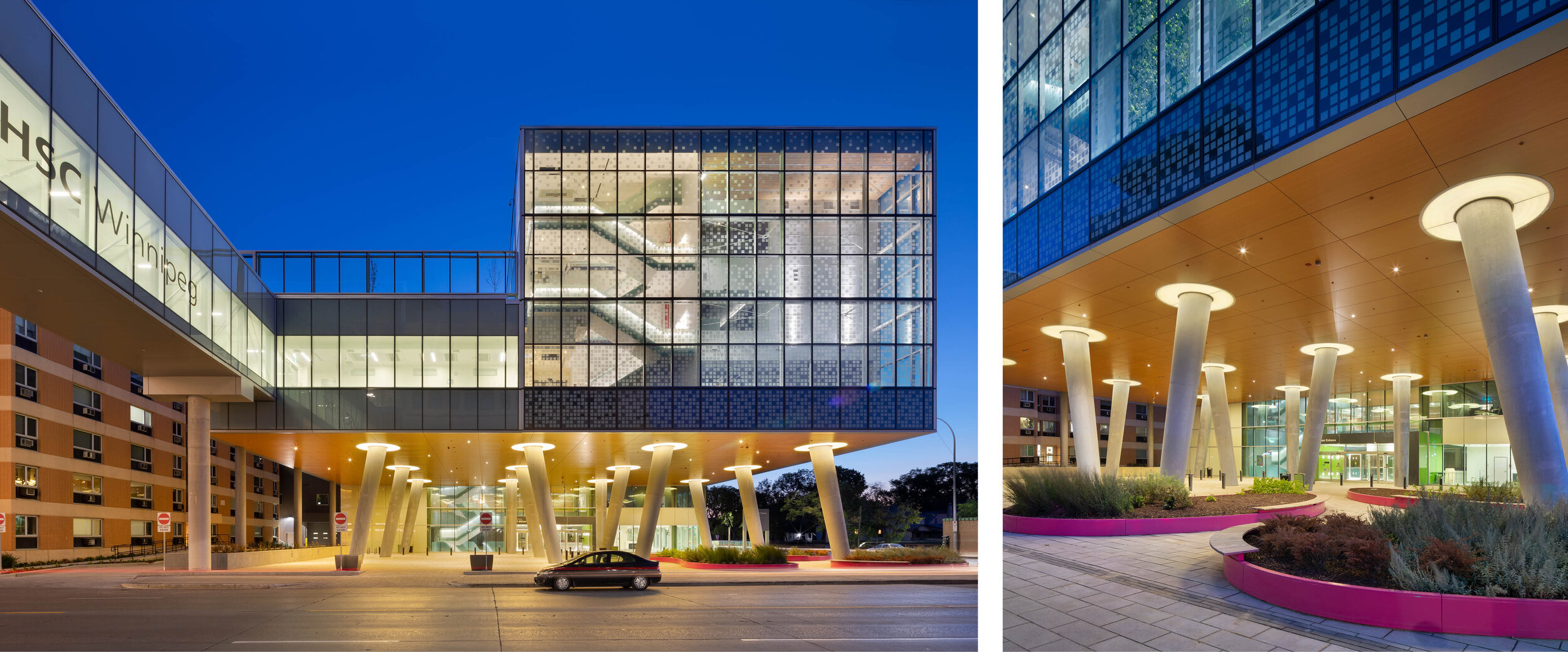
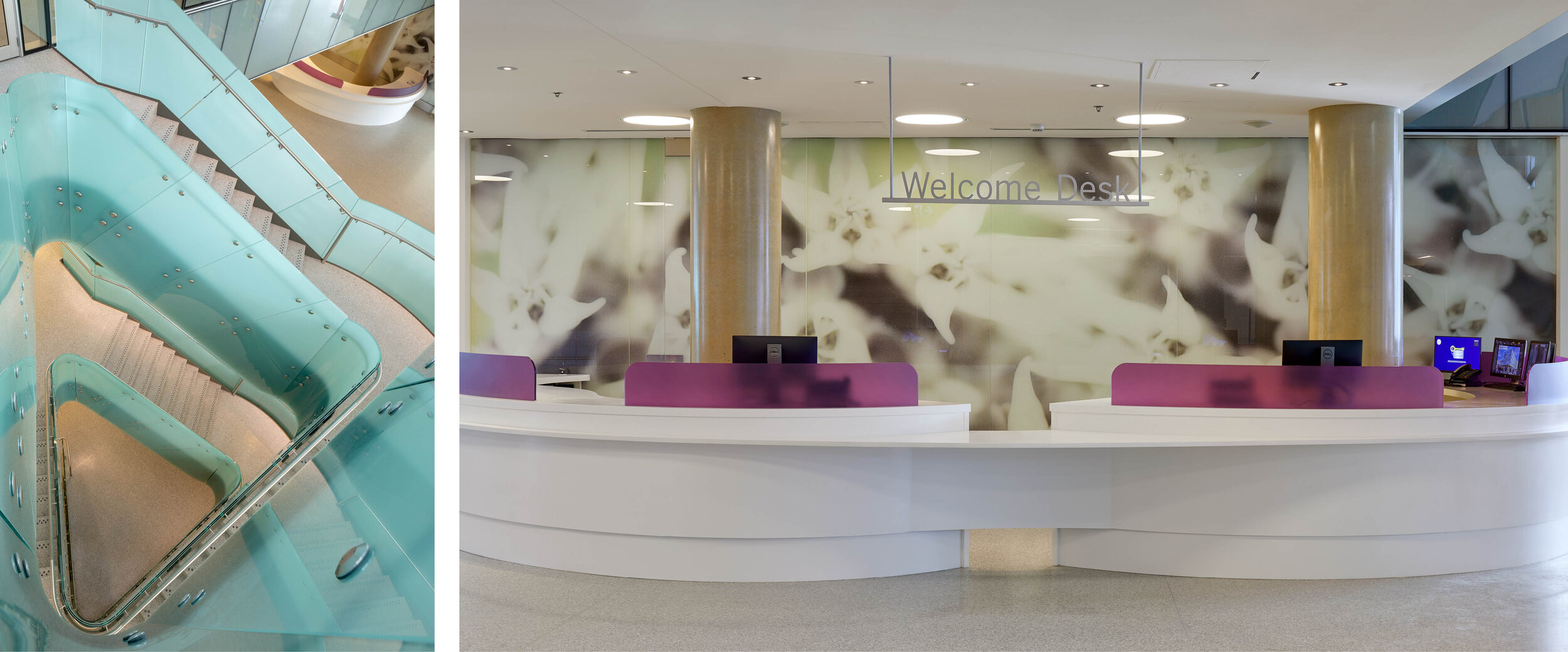
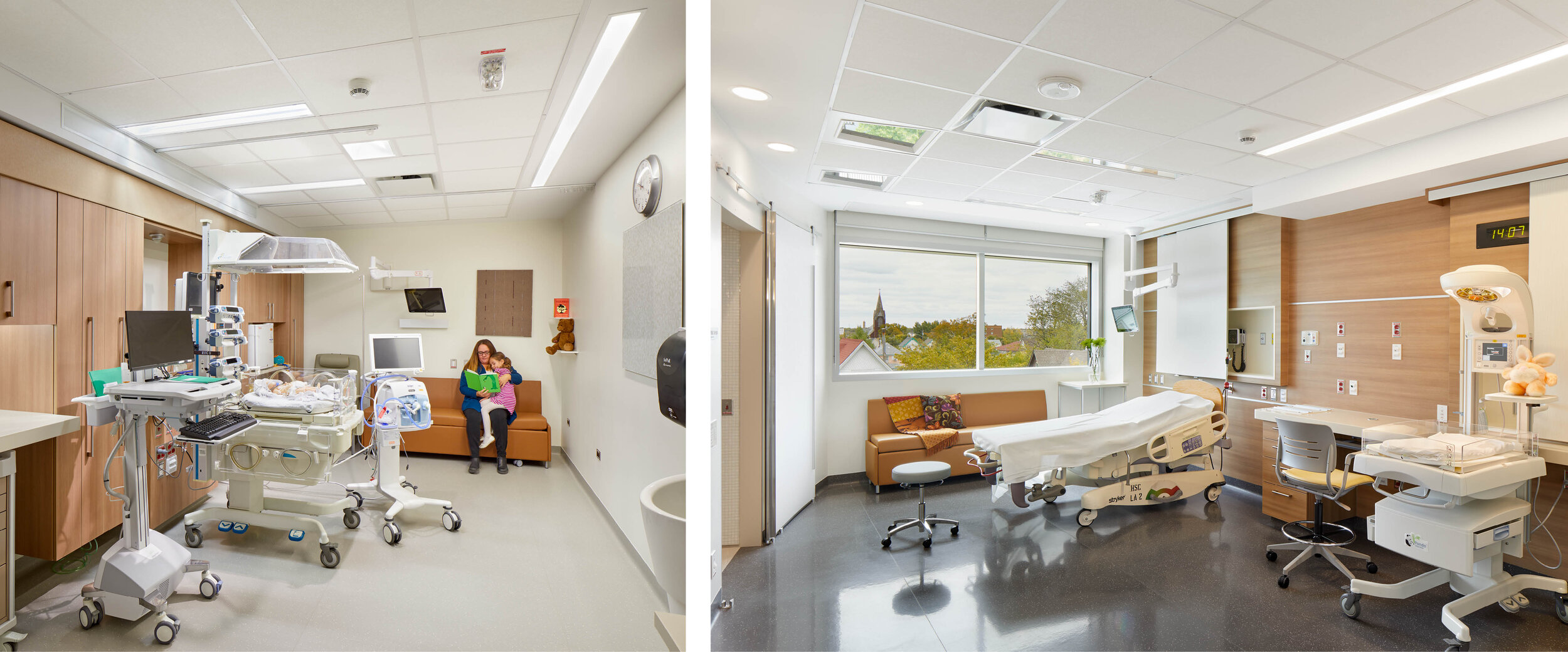
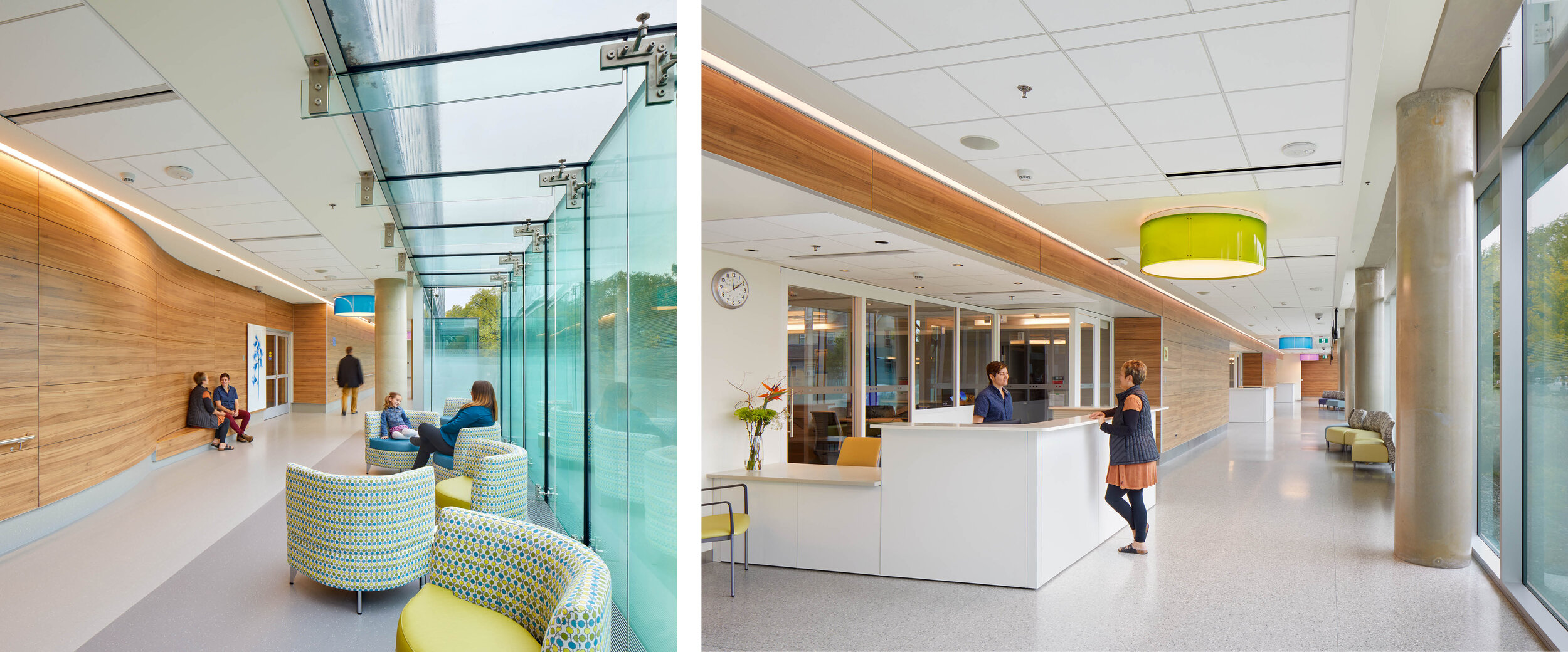
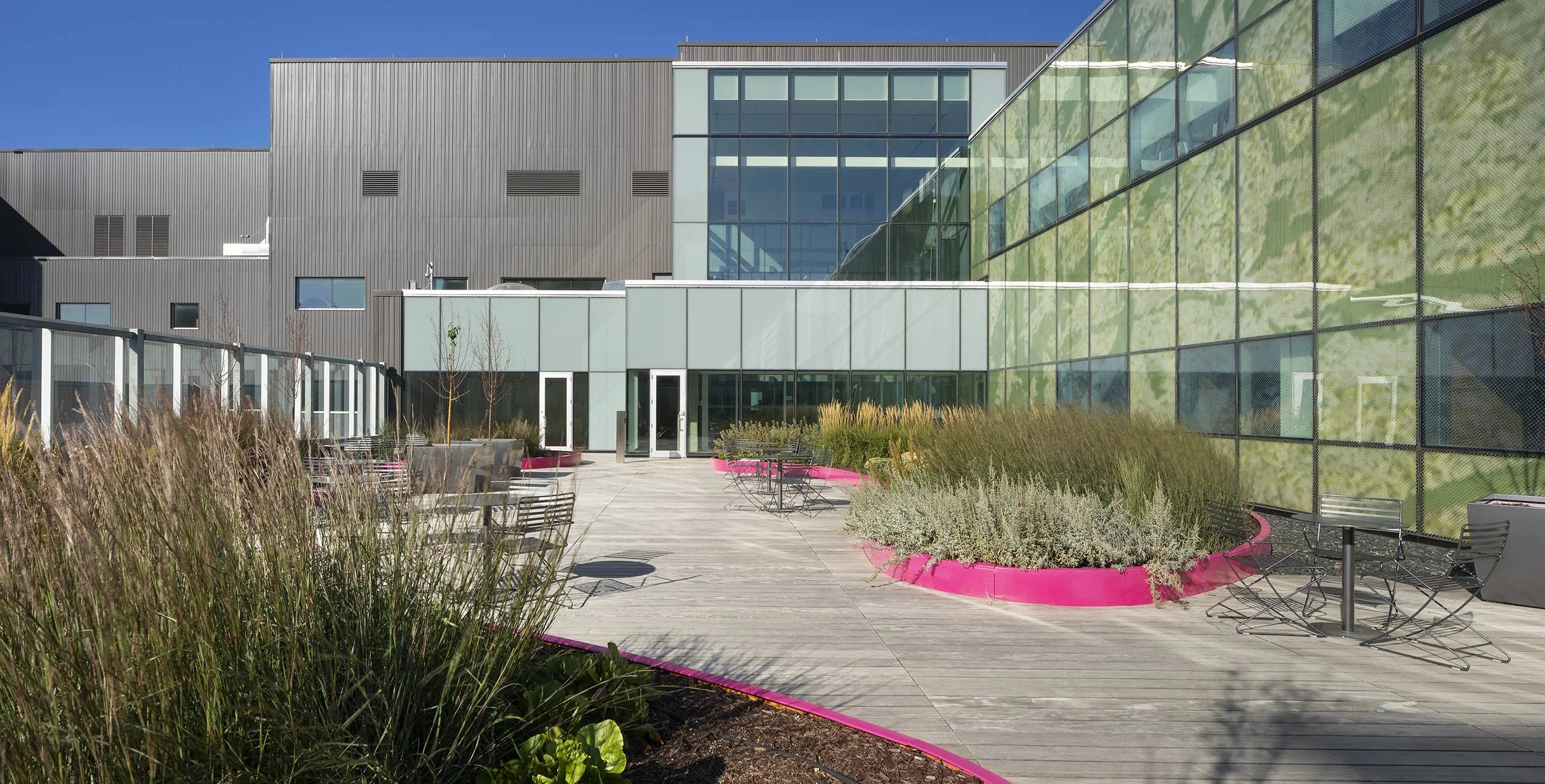
HSC Winnipeg Women’s Hospital, Winnipeg, MB (with Parkin Architects)
Our approach to healthcare design is based in the belief that physical space can be an integral part of the healing process and will have a major impact on patient outcomes and staff satisfaction.

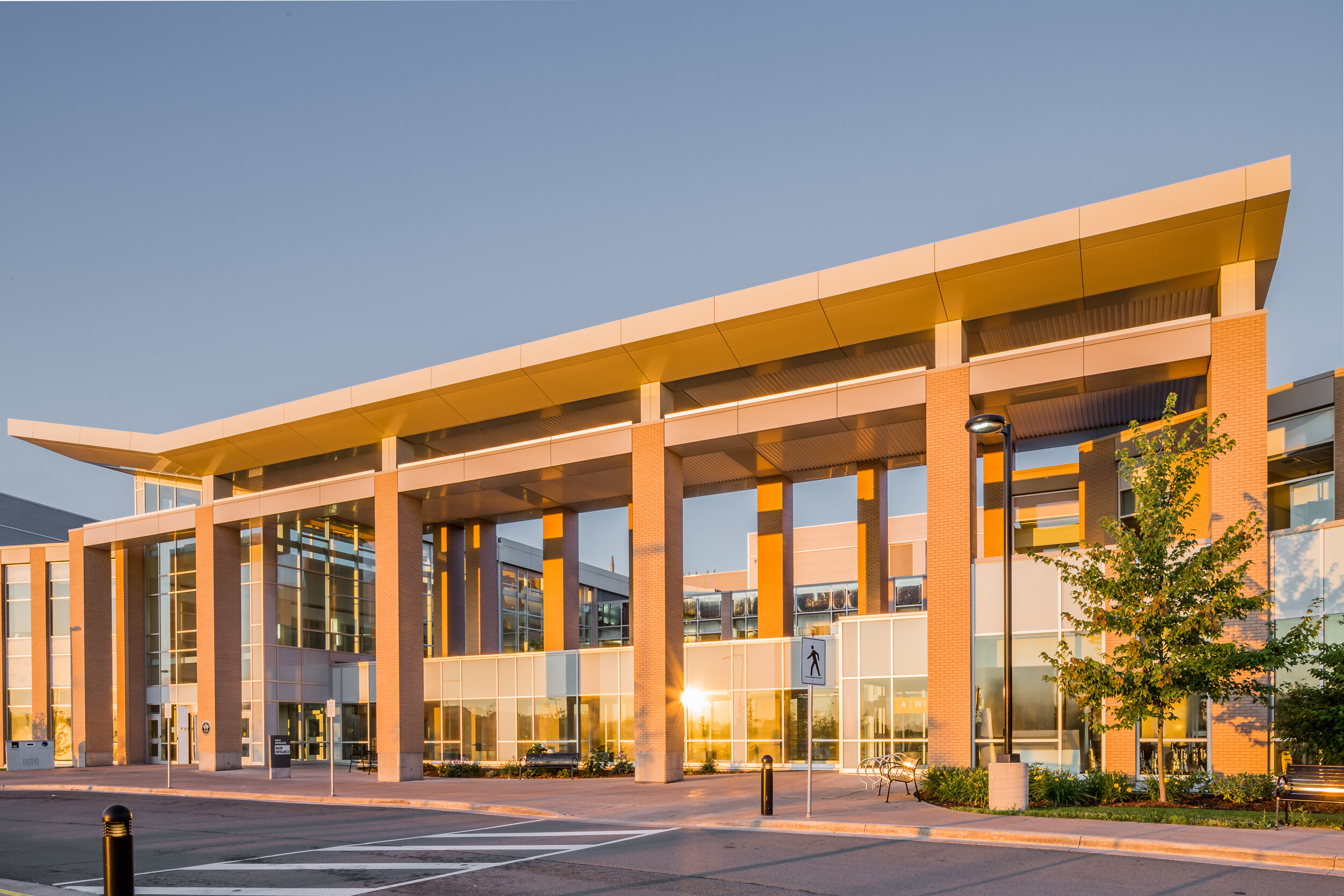
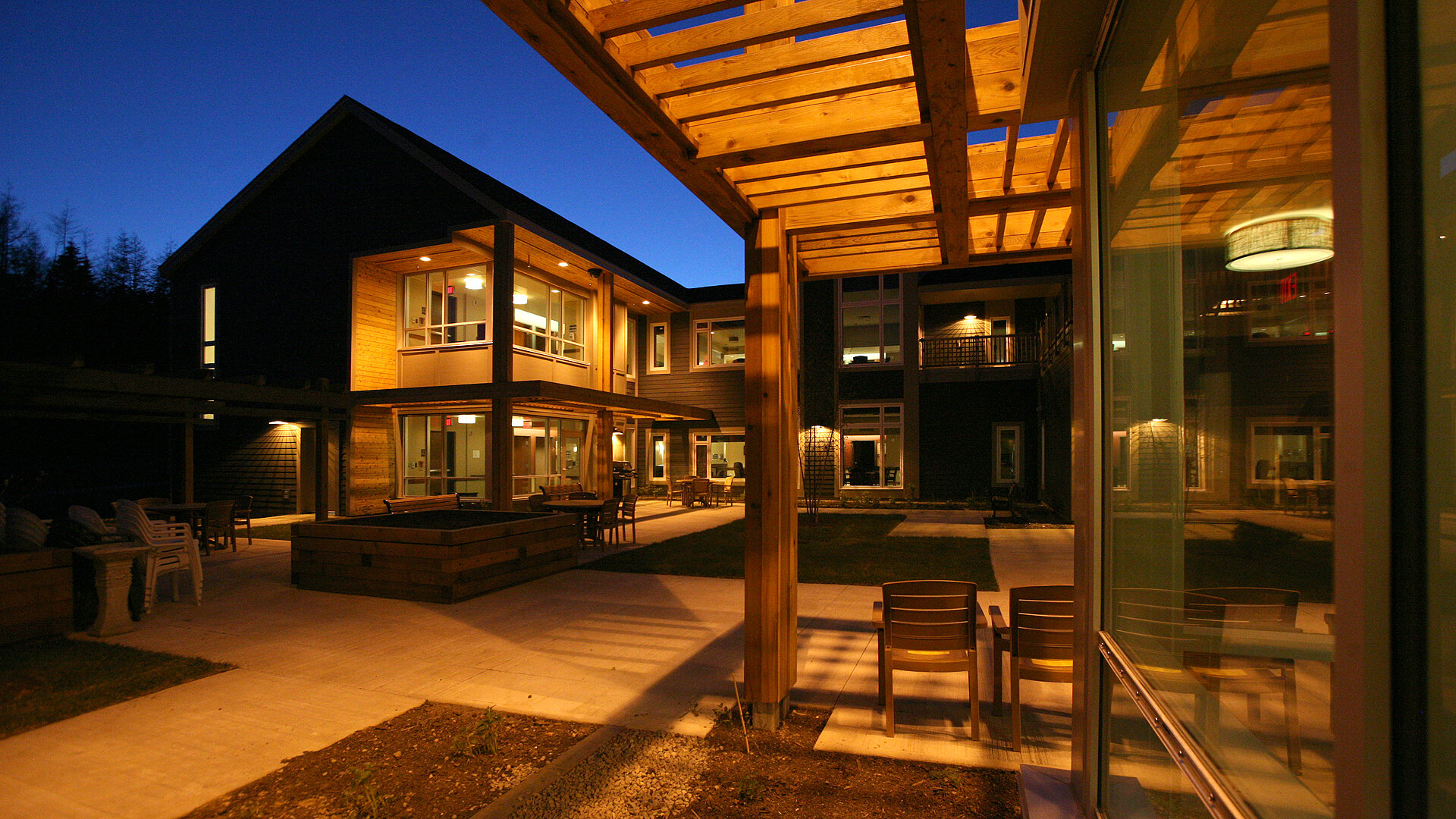
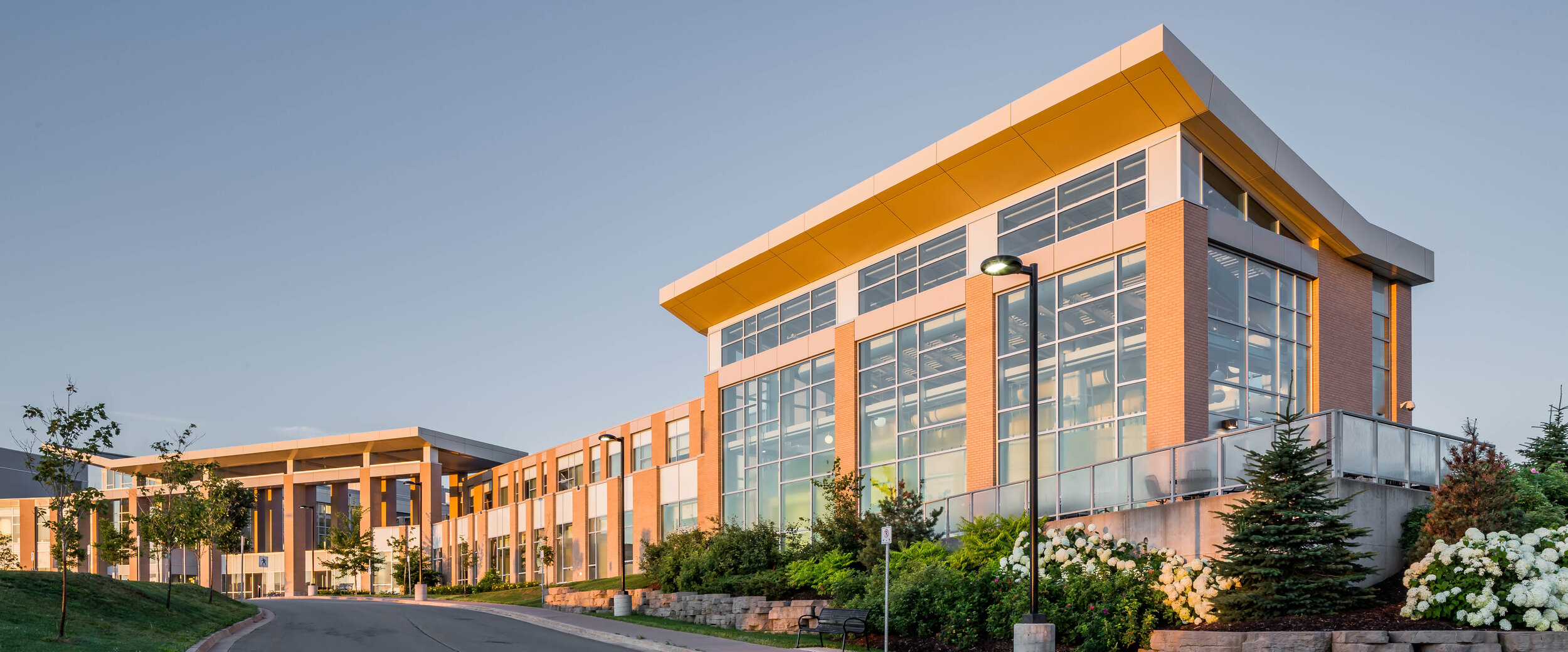
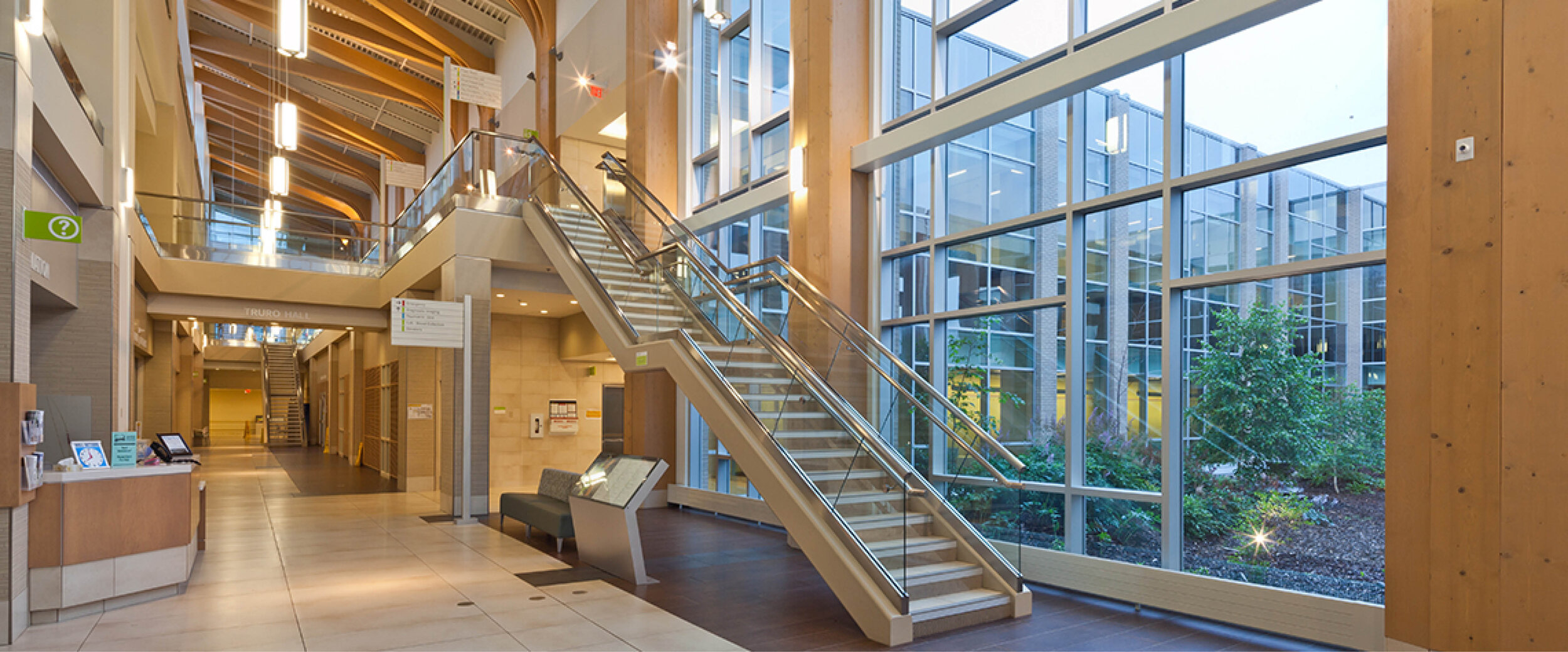
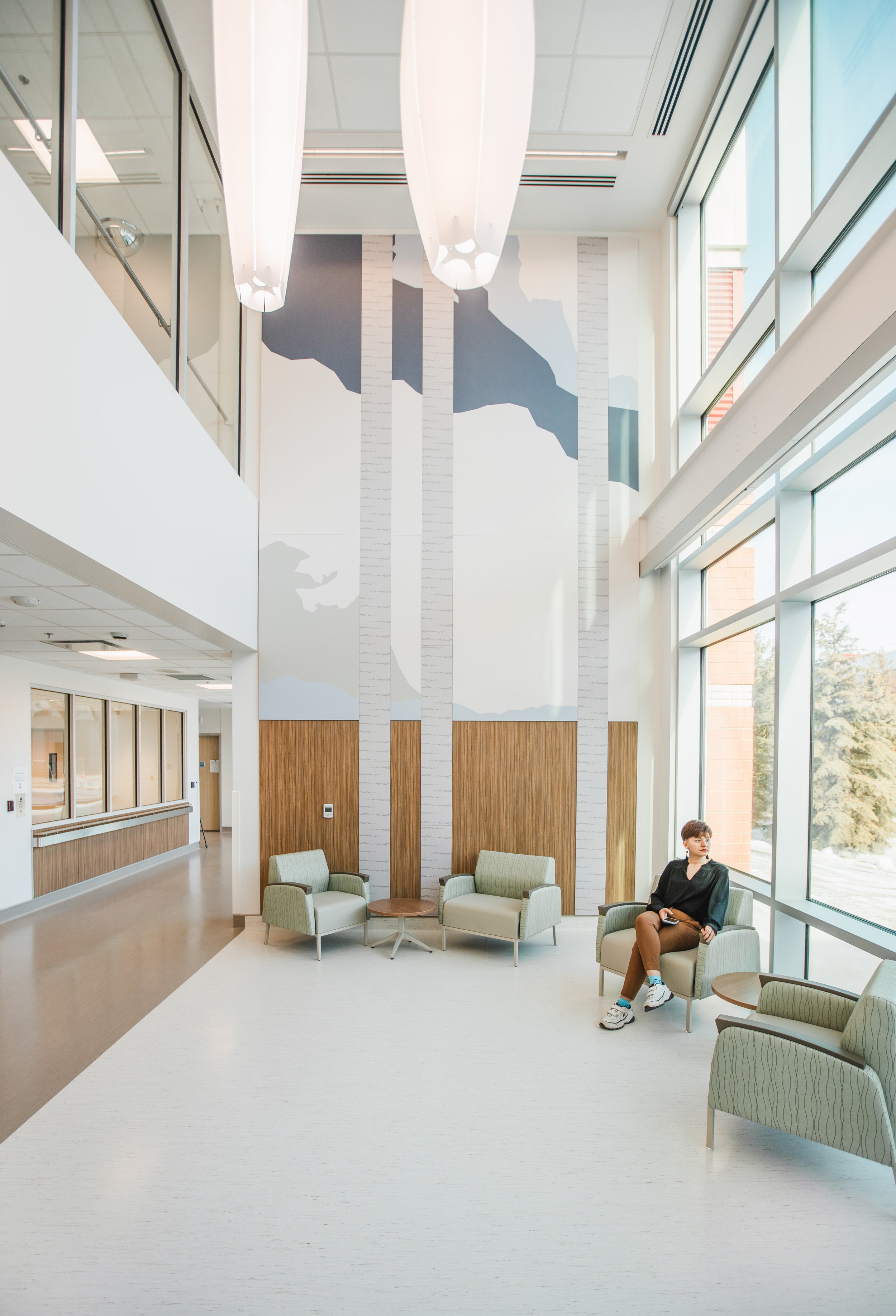
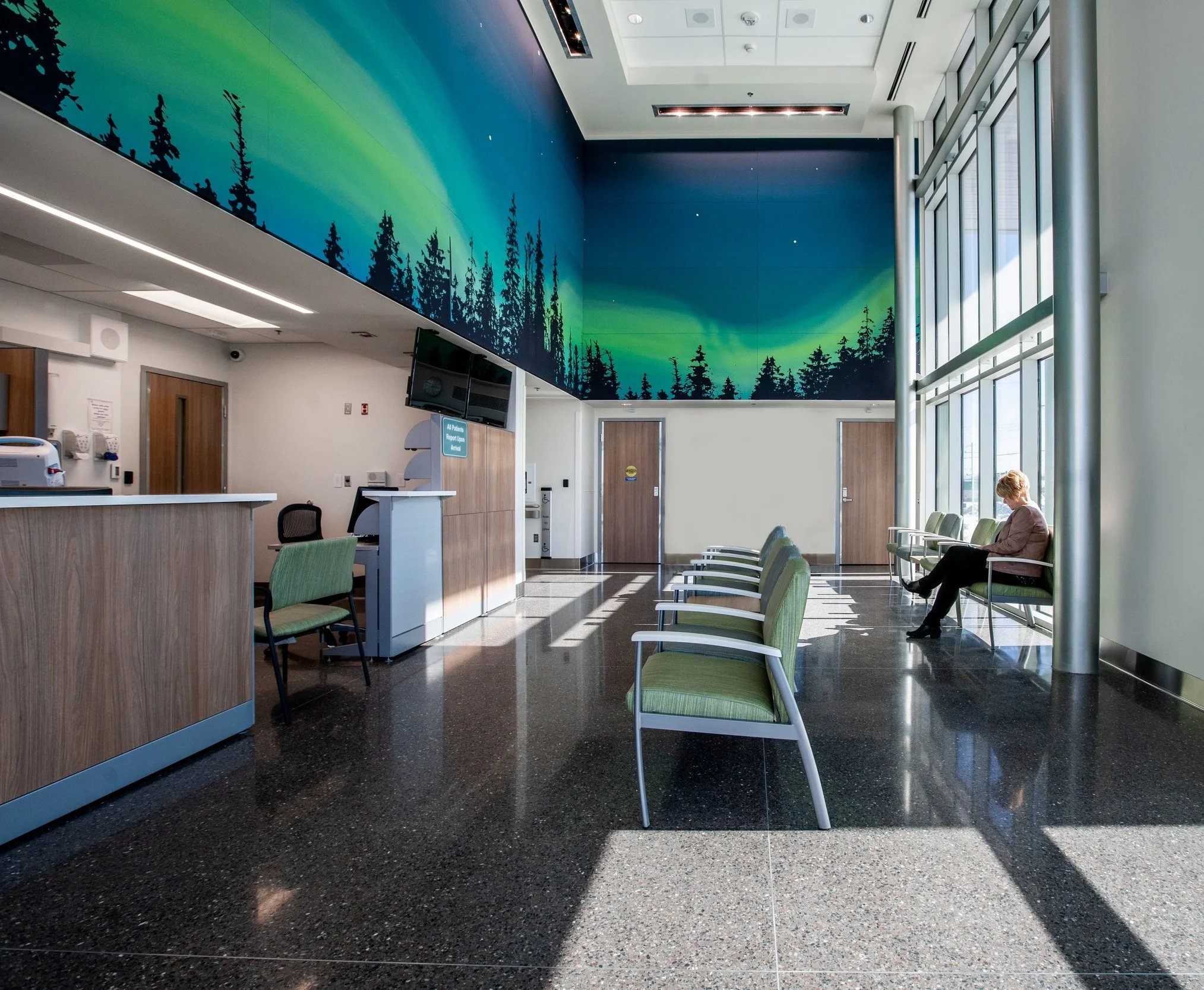
Colchester East Hants Health Centre, Truro, Nova Scotia
We hope as community members have walked through the health centre doors that they have found it to be warm and inviting and that they have seen the care that has gone into making our facility easy to move about; and comforting to be in.
-Peter McKinnon, Former CEO, Colchester East Hants Health Centre
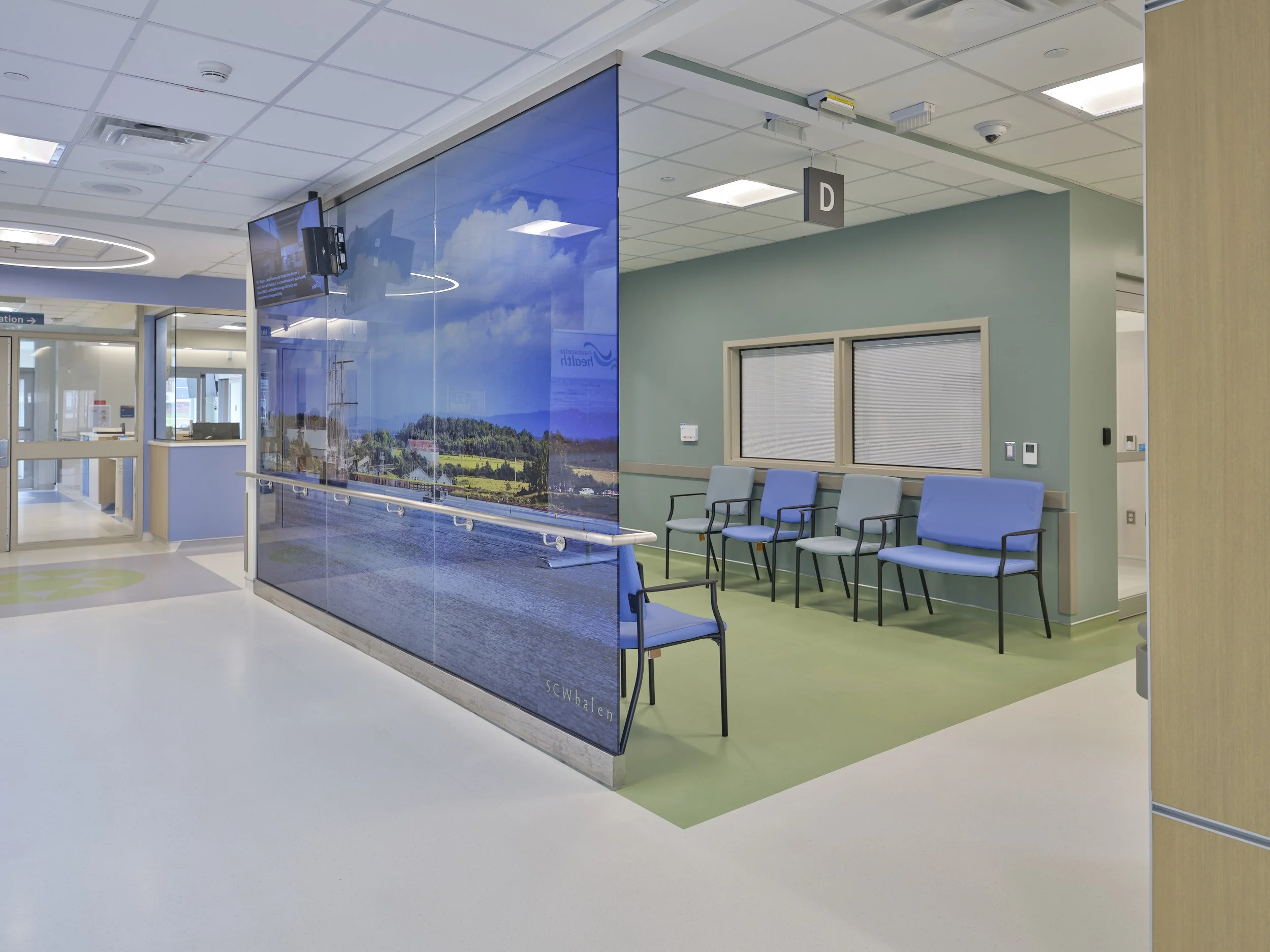
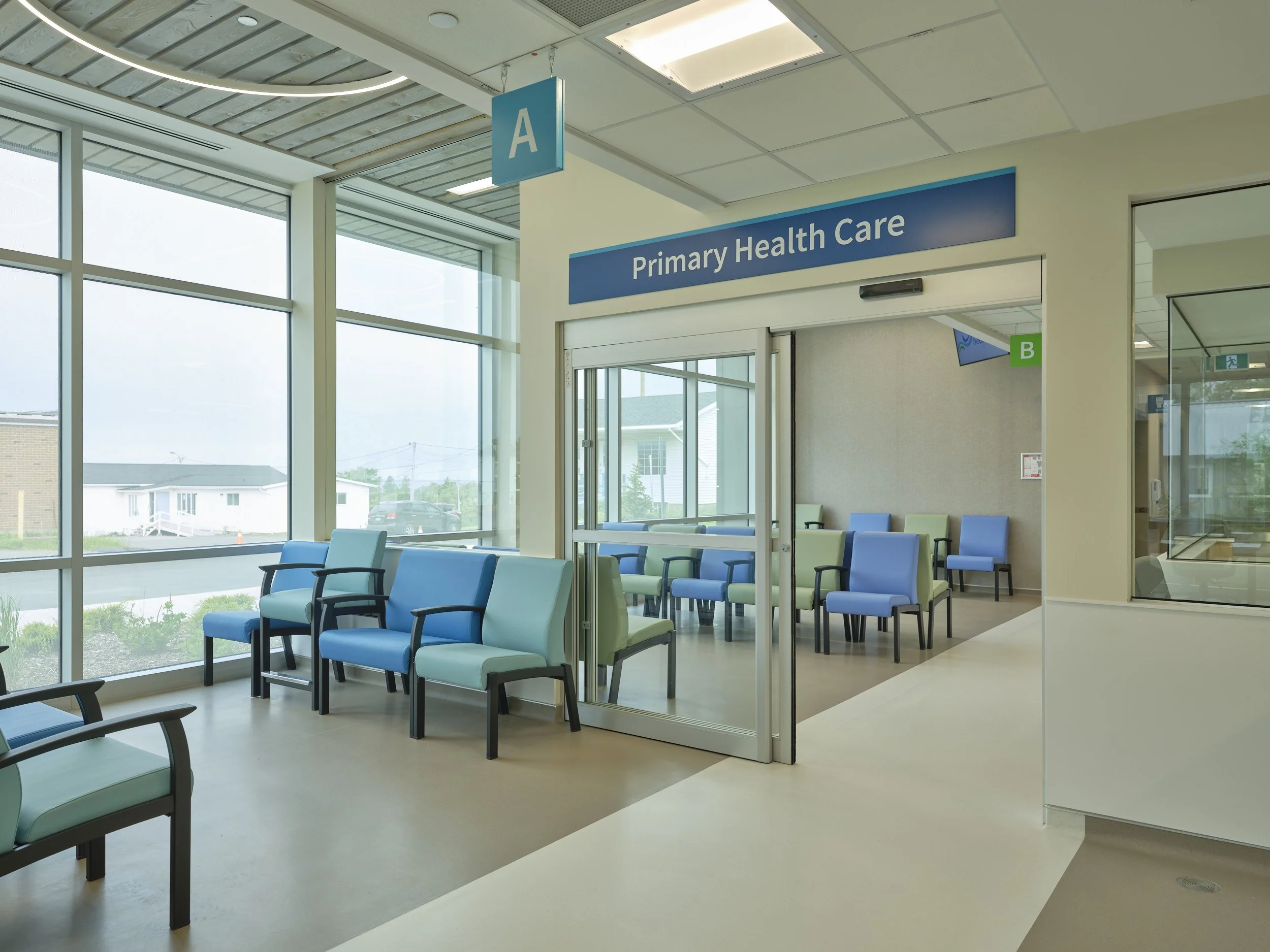
Healthcare delivery models are constantly changing and evolving. Current models of care place patients and their families at the core, and this is reflected in the design of healthcare facilities.
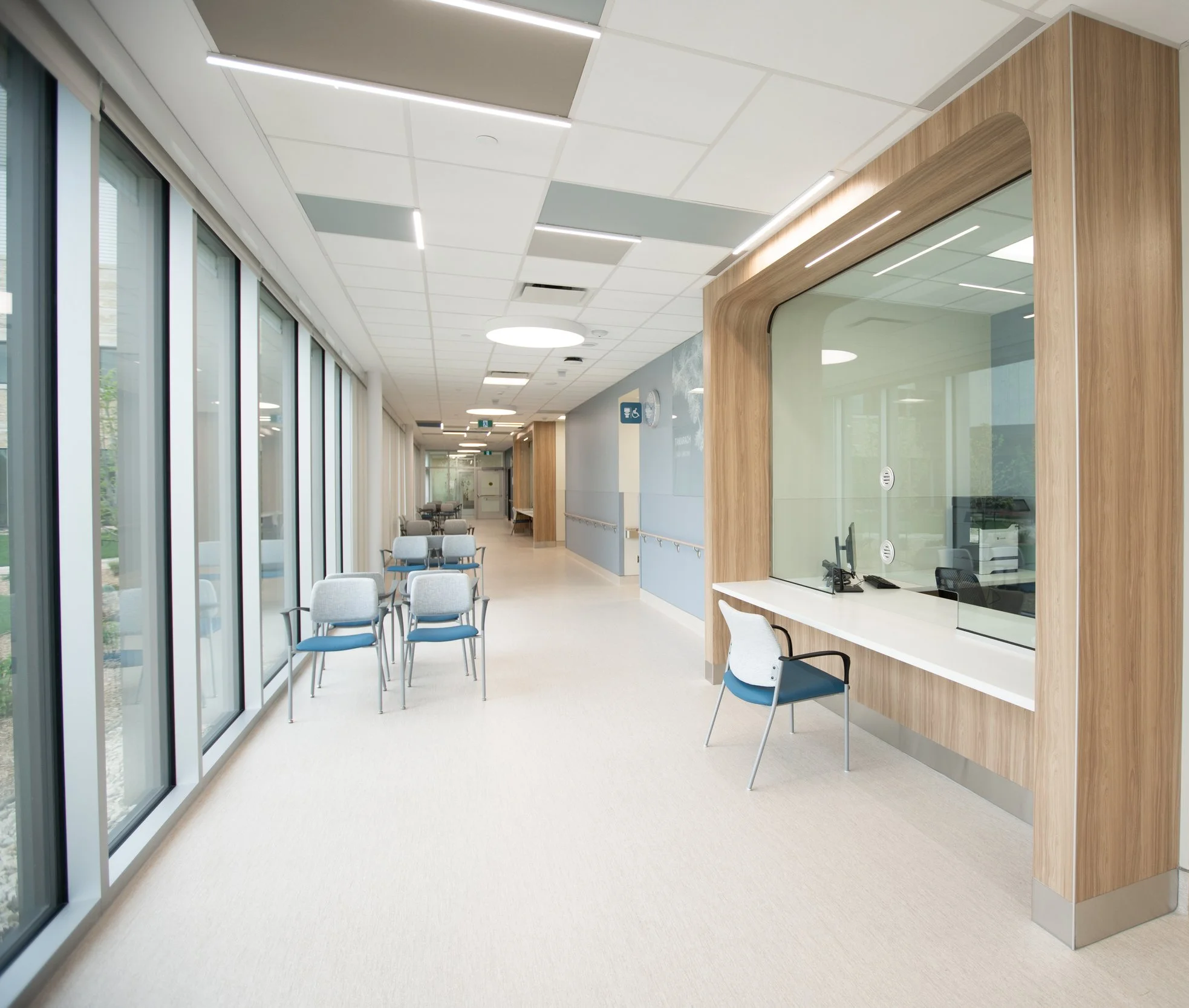
More and more, primary care services are being offered in community healthcare centres allowing patients to be treated close to home. This reduces stress by reducing travel and improving the quality of life. The essence of evidence based design is patient safety which includes infection risk, reduction of hospital acquired injury and errors in treatment.
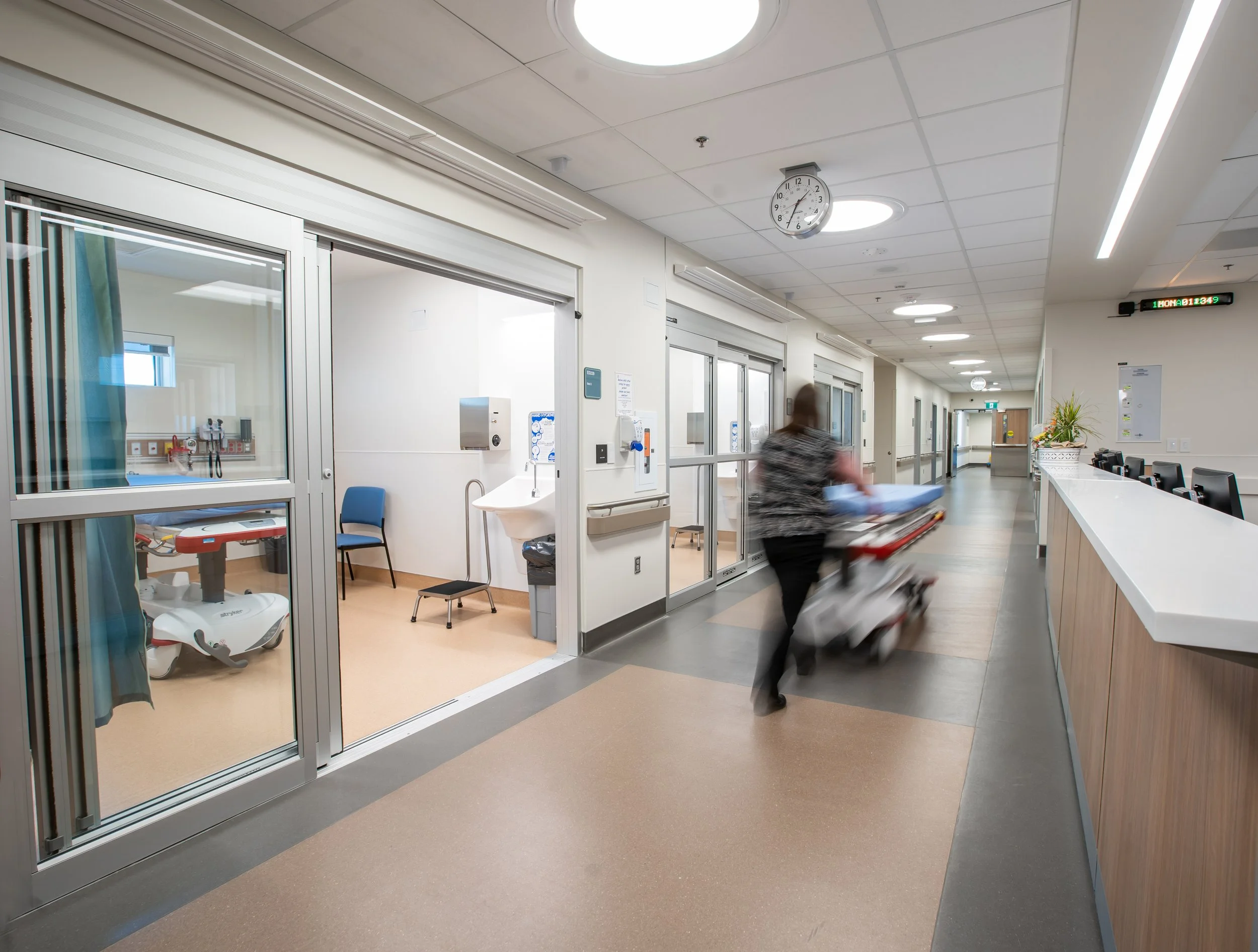
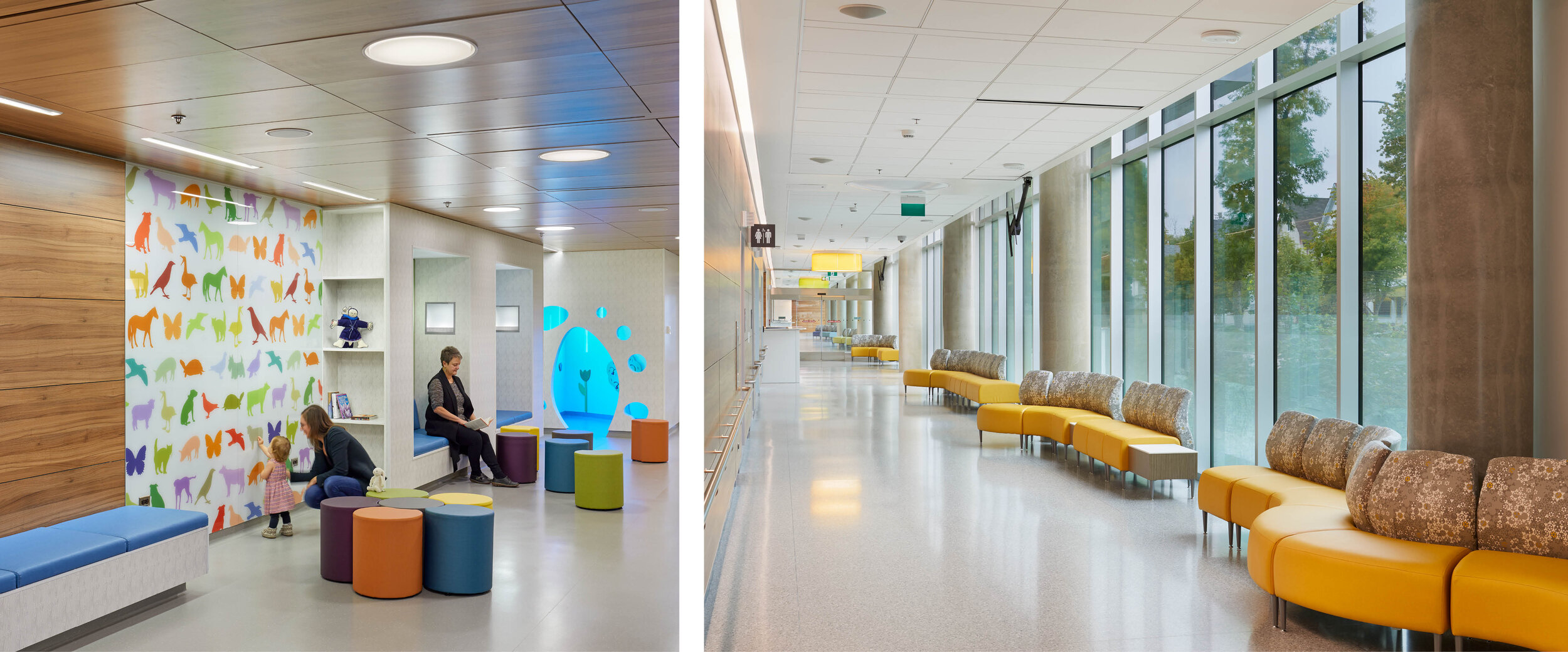
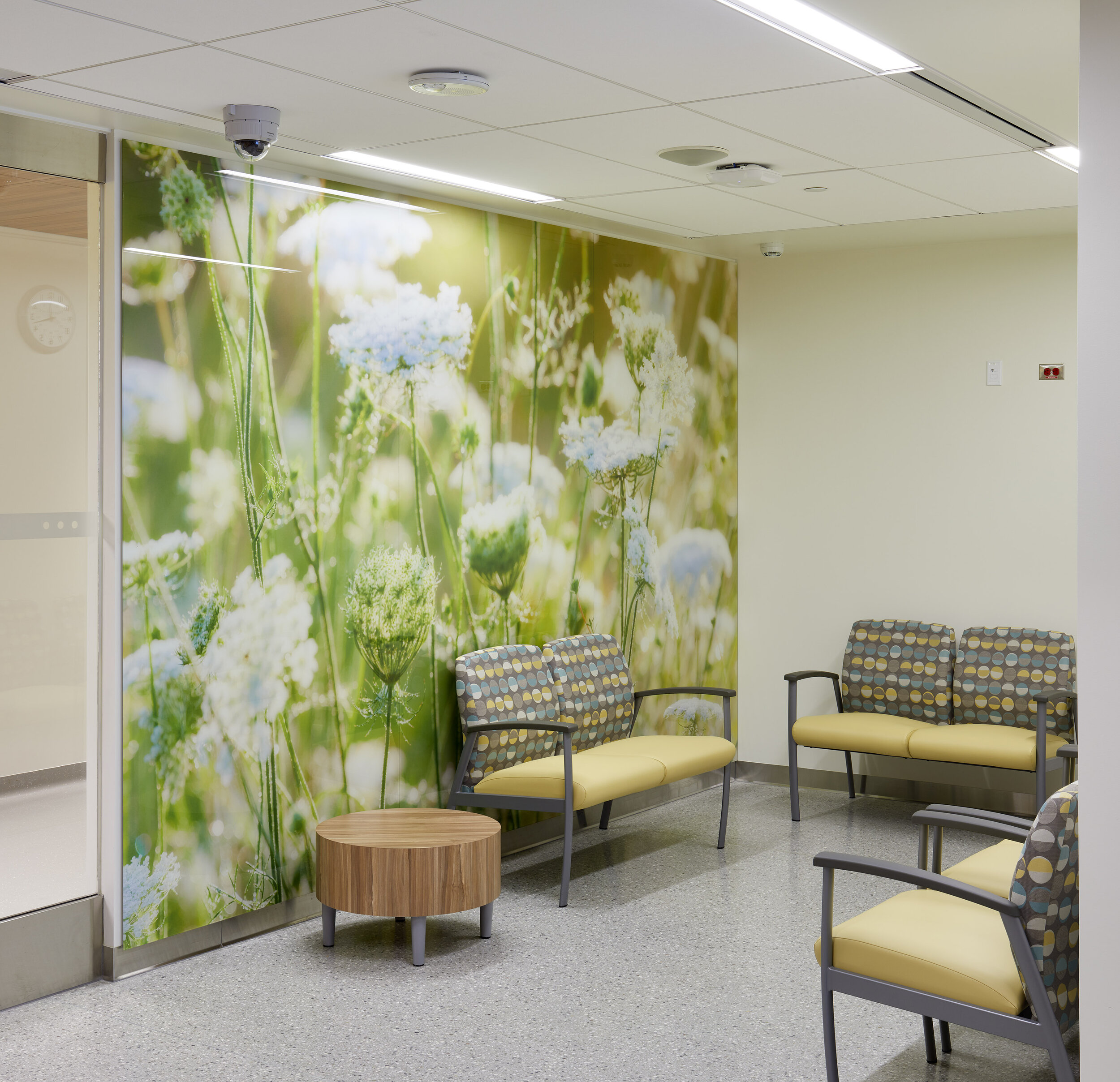
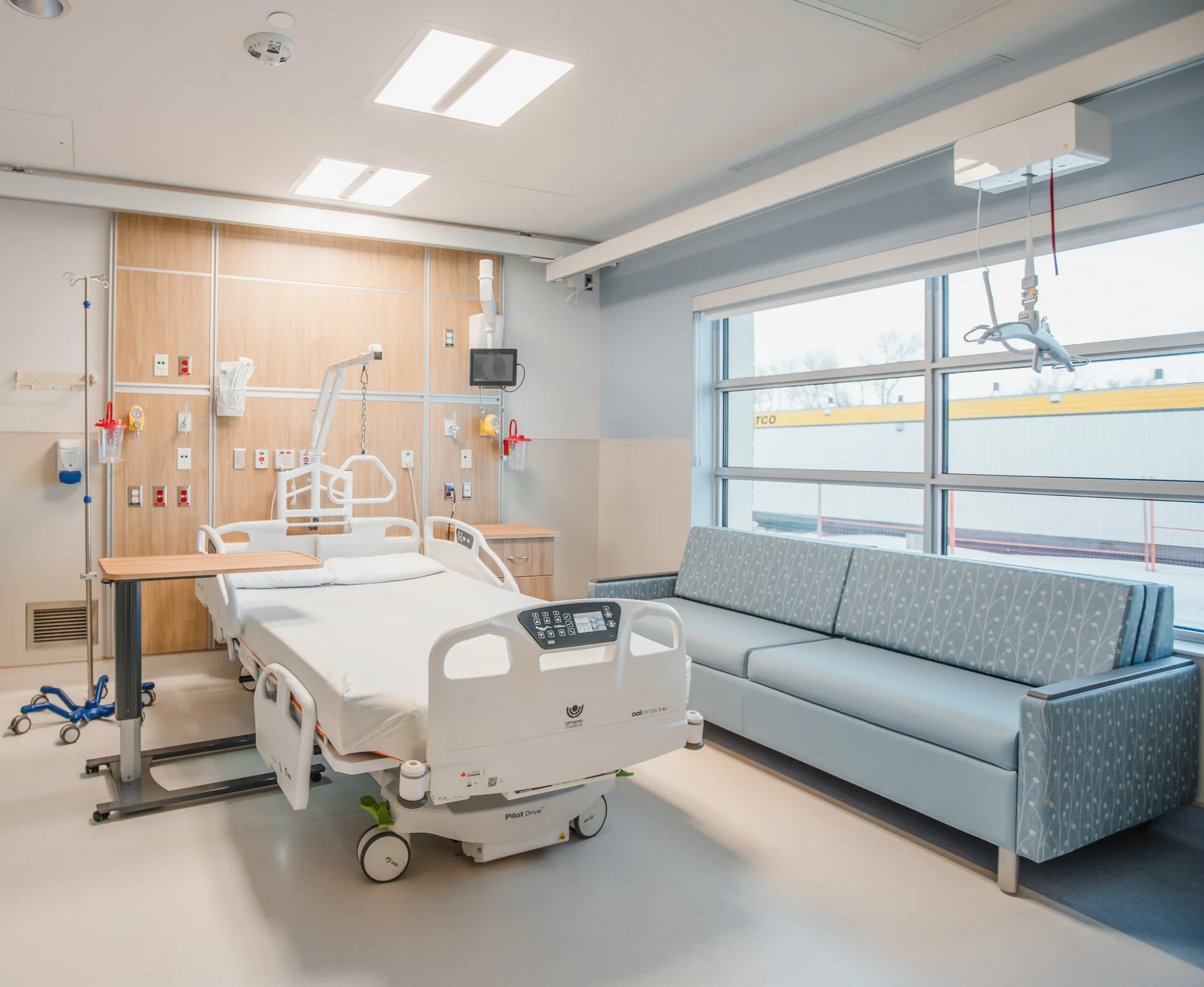
Within hospitals, inpatients have the benefit of more single rooms as hospitals move away from the old ward style units. Naturally, this helps to mitigate infection prevention and control issues, but it also allows for the design of a more homelike environment. These rooms often make accommodations for a family member who may wish to overnight. This in turn supports the comfort and well-being of the patient, promotes recovery and reduces the length of stay.
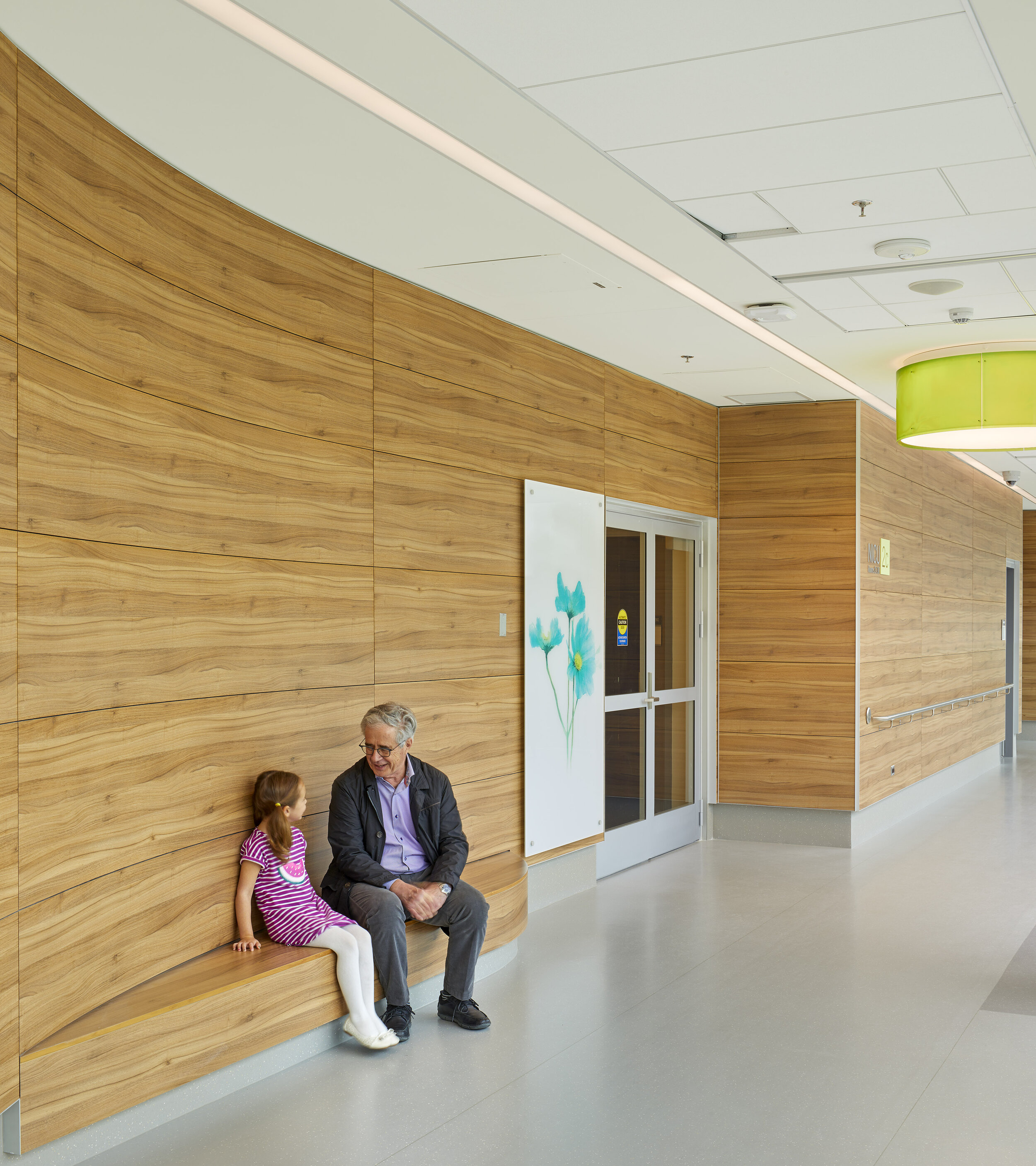
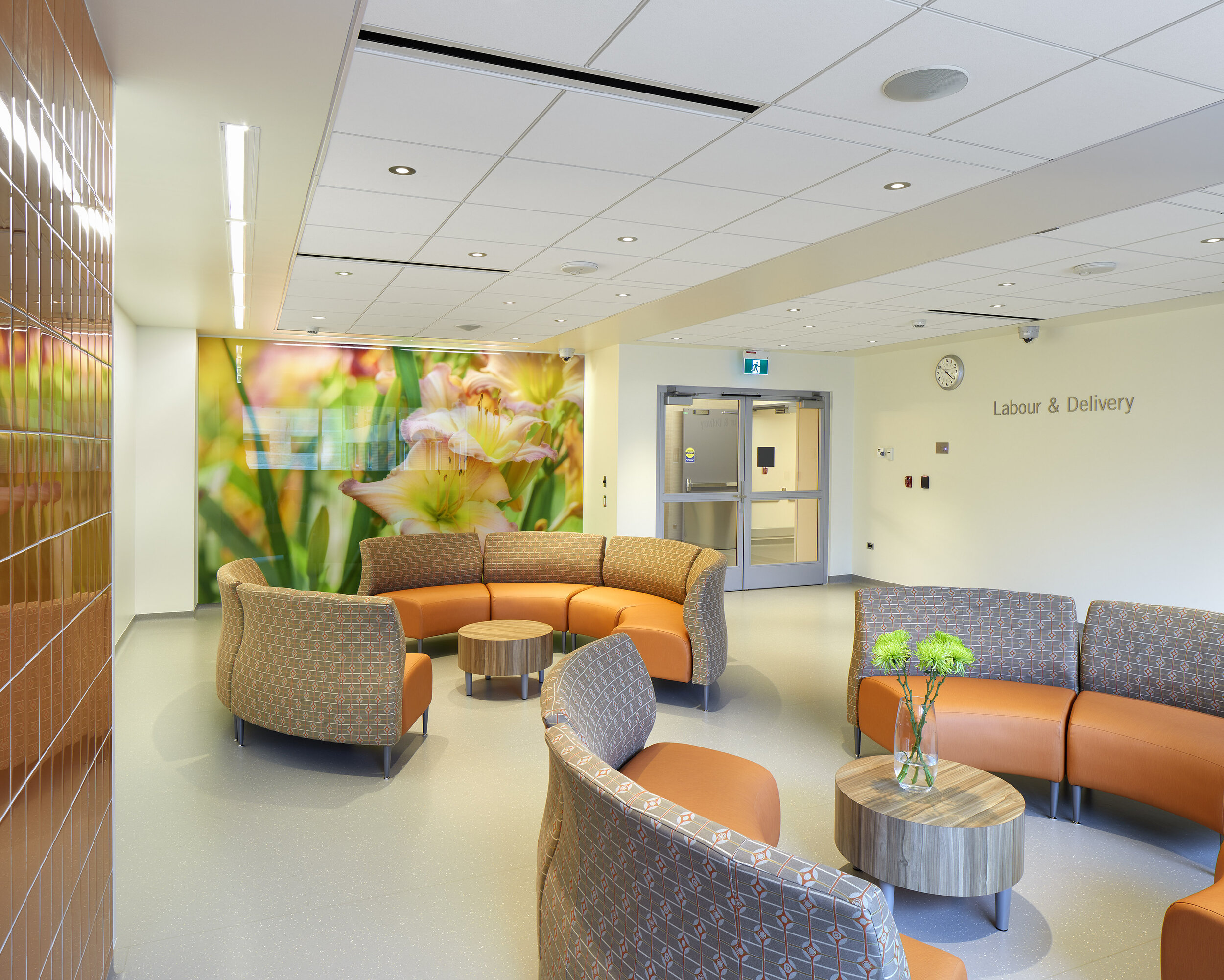
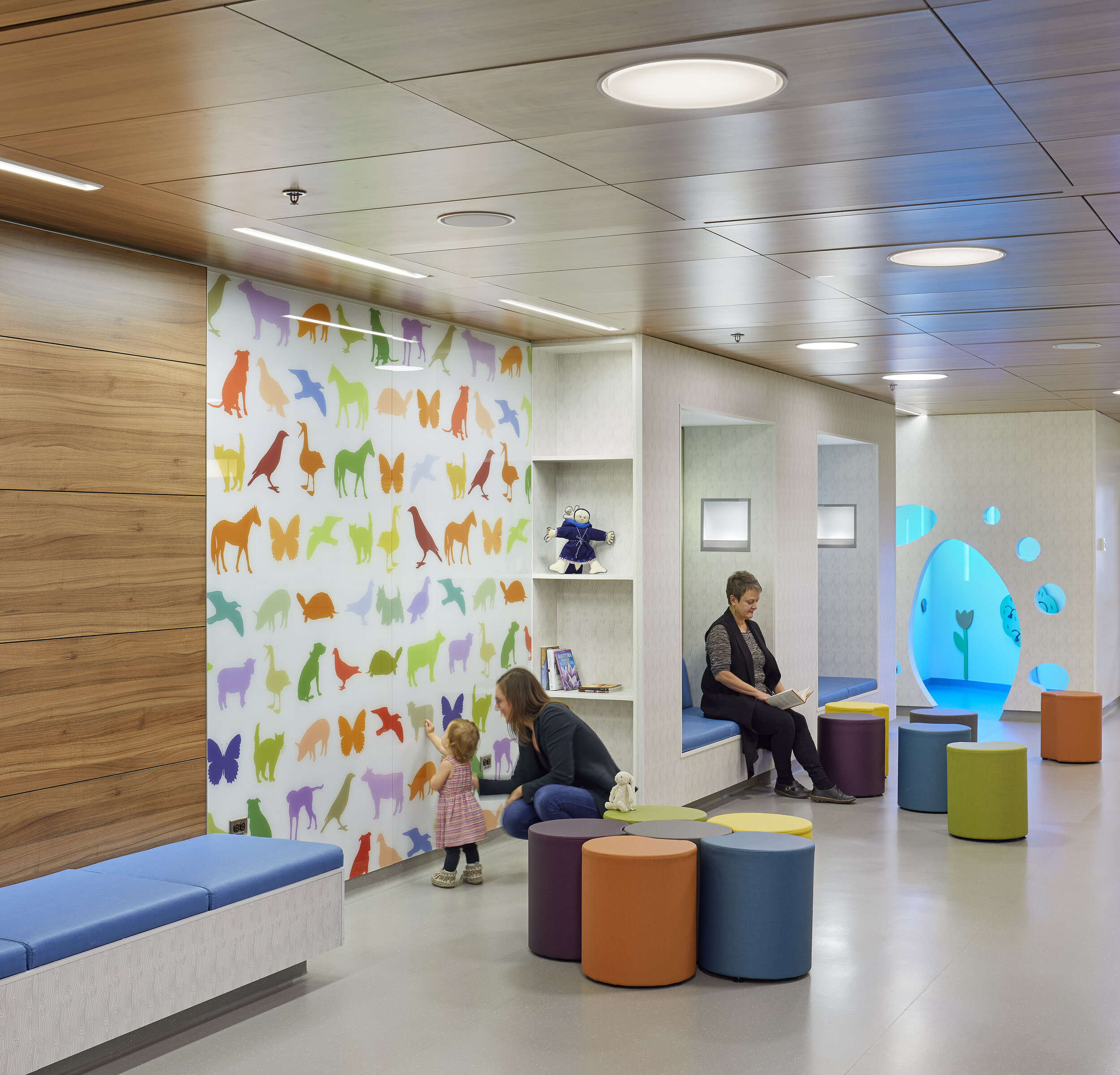
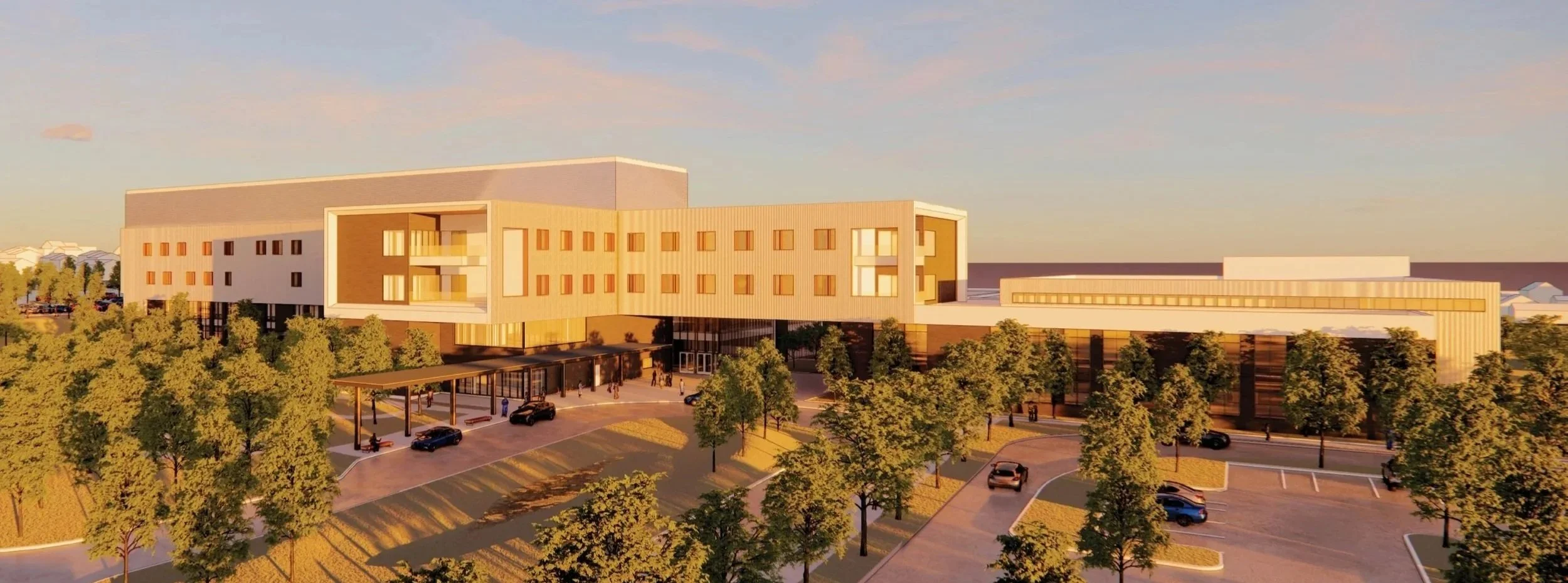
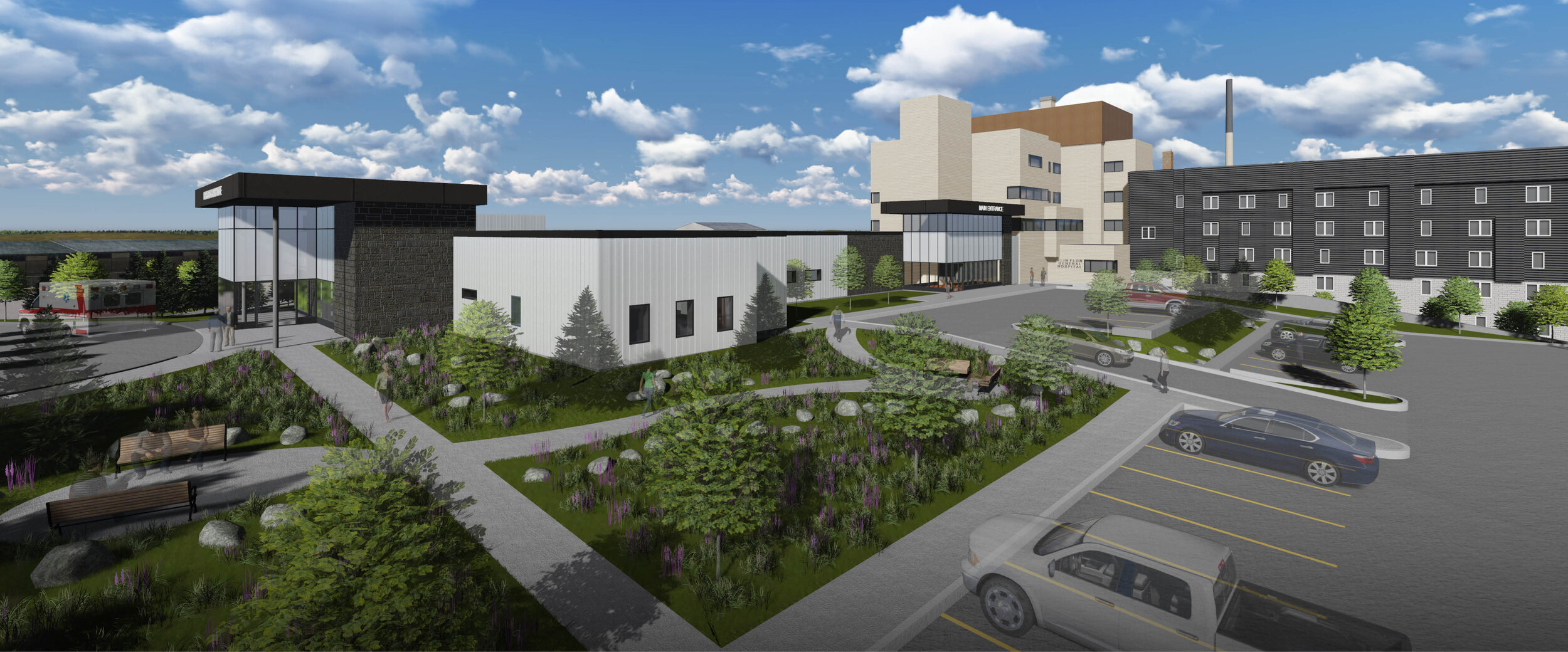
Designed with community at its core, THE NEW WATERFORD COMMUNITY HUB strengthens access to care in THE COMMUNITY , offering a modern, inclusive space that reflects local needs while supporting better health outcomes over time.
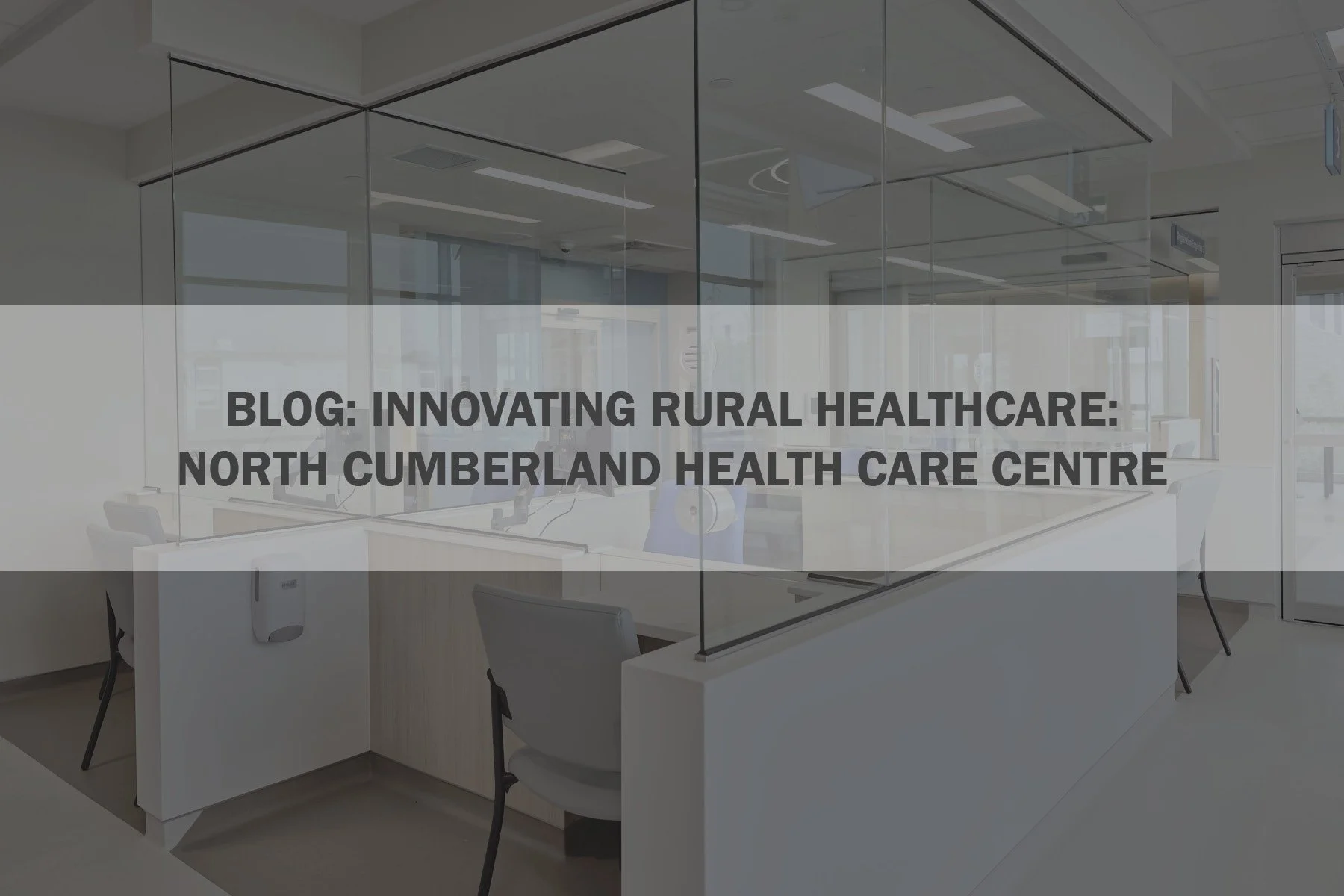
Modern healthcare in rural communities is being reshaped through integrated, community-focused facilities that bring essential services together in one place, improving access to care, reducing travel, and creating welcoming, adaptable environments that support patients, providers, and long-term community well-being.
Integrated Healthcare for Rural Communities
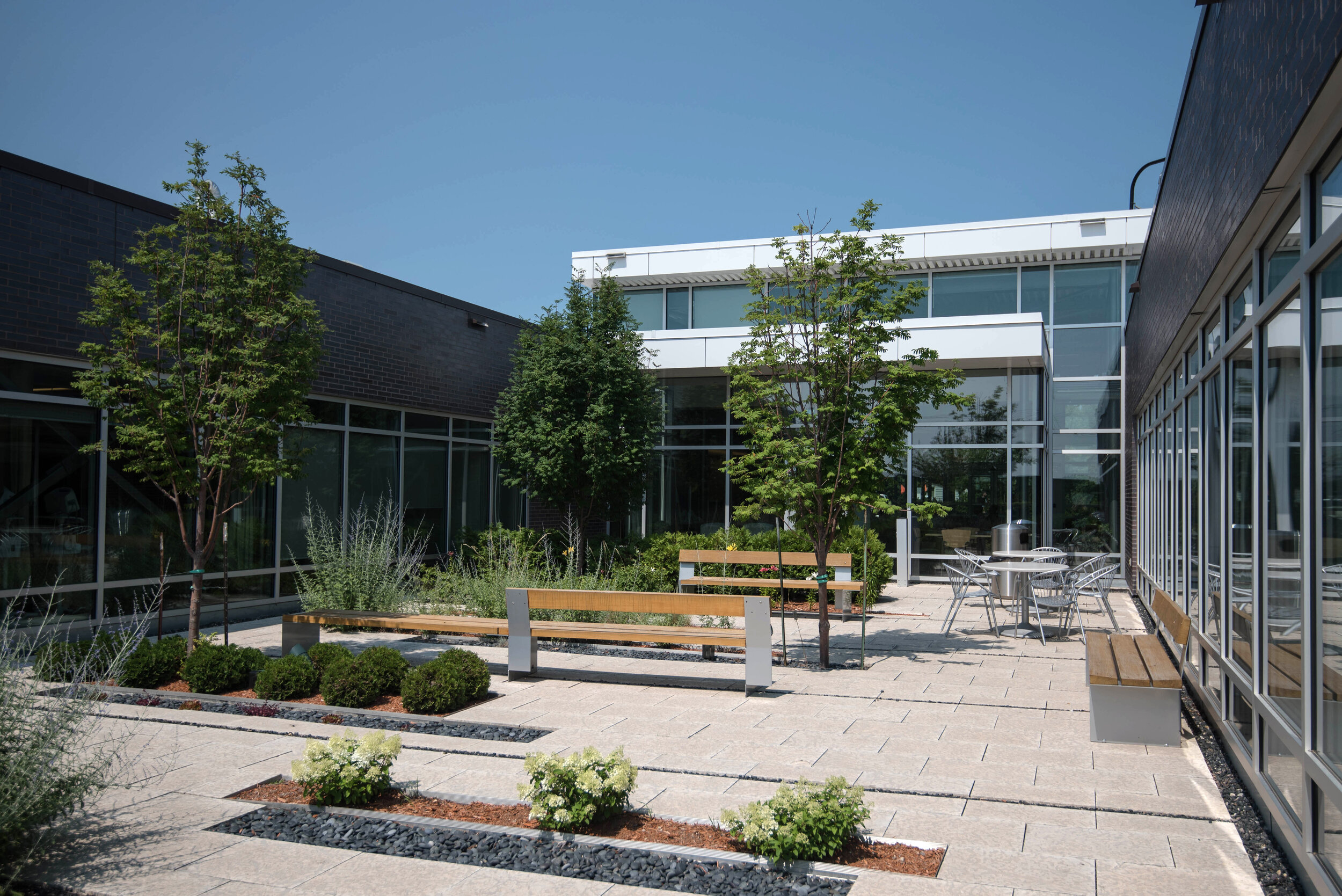
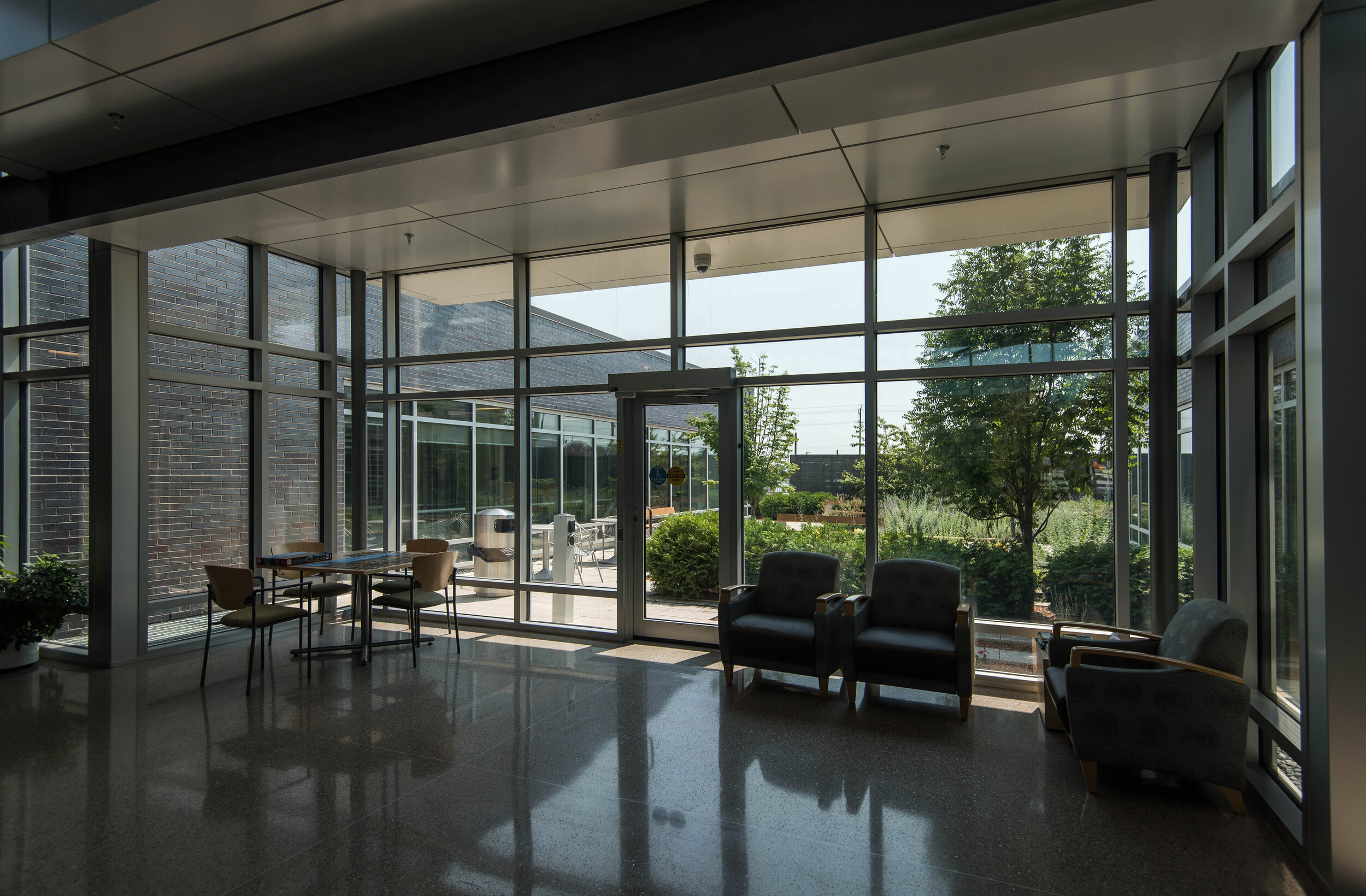
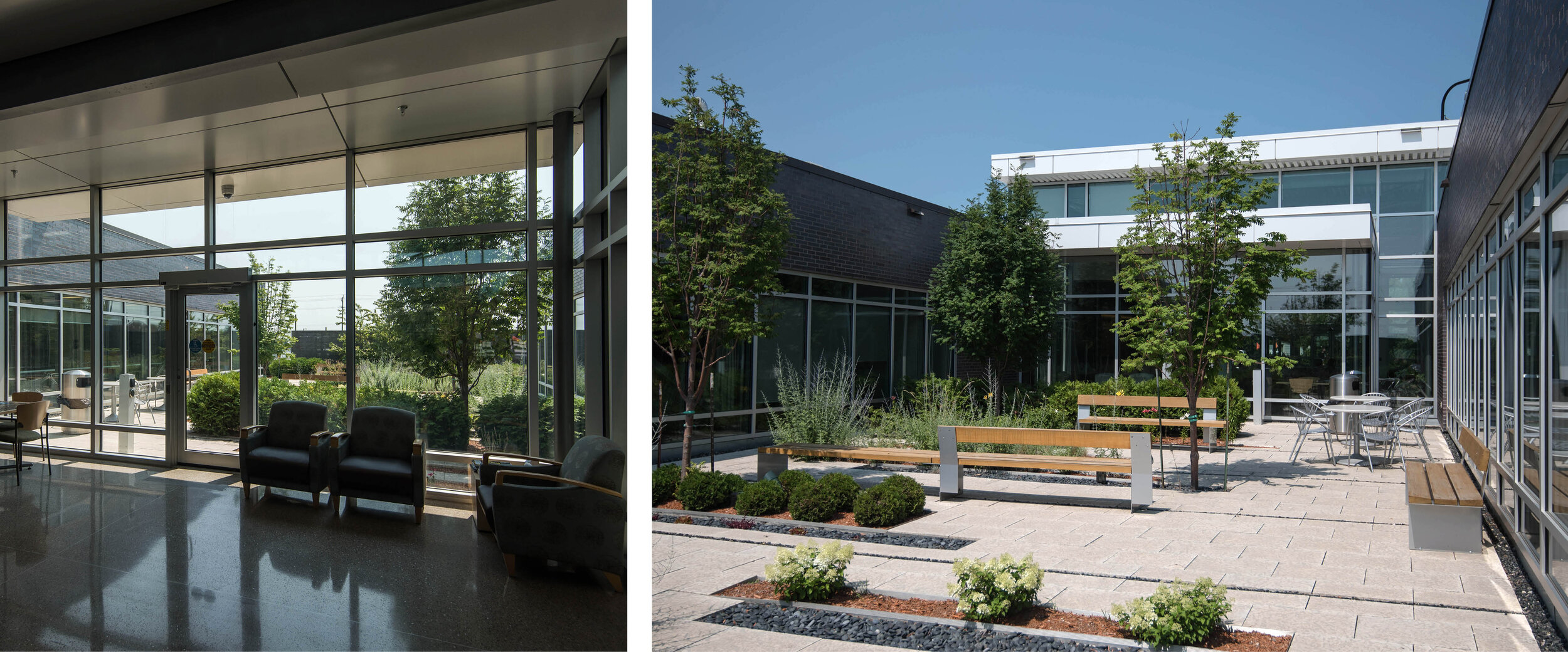
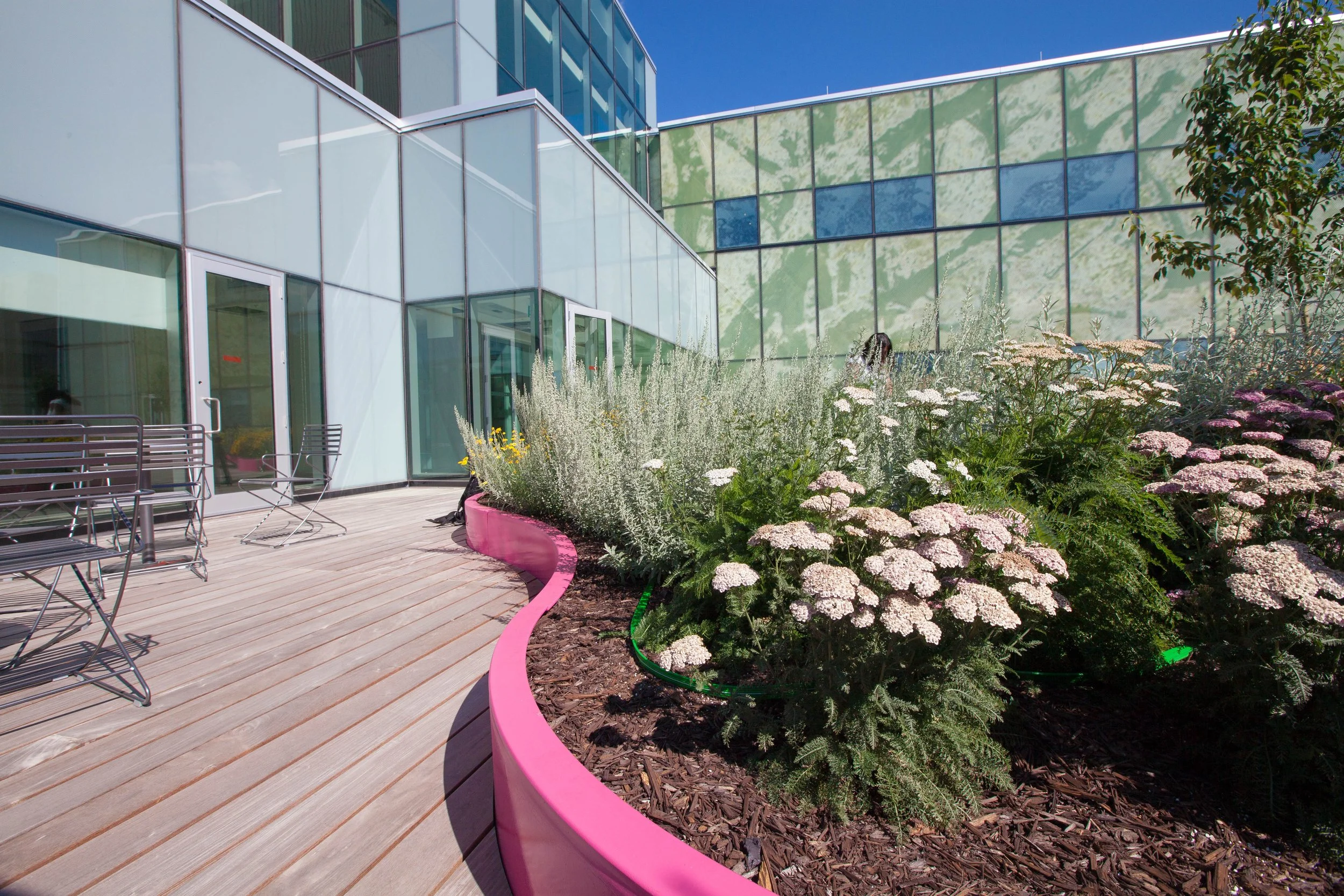
Outdoor healing spaces play an increasingly important role in modern healthcare environments, offering patients, families, and staff a meaningful connection to nature. Thoughtfully designed gardens, courtyards, and terraces provide places to rest, reflect, and recover, supporting both physical and mental well-being. Access to fresh air, natural light, and greenery has been shown to reduce stress, support healing, and improve overall patient experience.
In many settings, these spaces are integrated directly into the care journey, creating moments of calm within what can otherwise be complex or high-pressure environments. For staff, they offer a welcome respite, helping to ease fatigue and support resilience. For families, they create comfortable, dignified places to gather. Rooted in both evidence and empathy, outdoor healing spaces extend care beyond clinical walls, reinforcing a more holistic, human-centred approach to health and wellness.
Design Perspectives
Stories and insights from our work.
The environment of care must address the needs of a patient in their unimpeded recovery. The physical layouts together with the careful selection of materials have a measured impact on the design of the contemporary hospital. Additionally, staff that care for those patients must be given effective spaces in which to work and places where they can rejuvenate themselves to make them more effective in care delivery.
We understand that the design choices we make will affect the well-being of the people who use these spaces, and we strive to incorporate evidence-based design that supports medical advancement and patient care.
DESIGN FOCUSED AROUND CARE

Healing spaces