We help organisations understand how their people work today and how they want to work tomorrow, before design begins.
workplace Portfolio
“A well designed workspace can act as a powerful catalyst to transform an organization. It can unleash creativity, enhance collaboration and foster cultural alignment.”
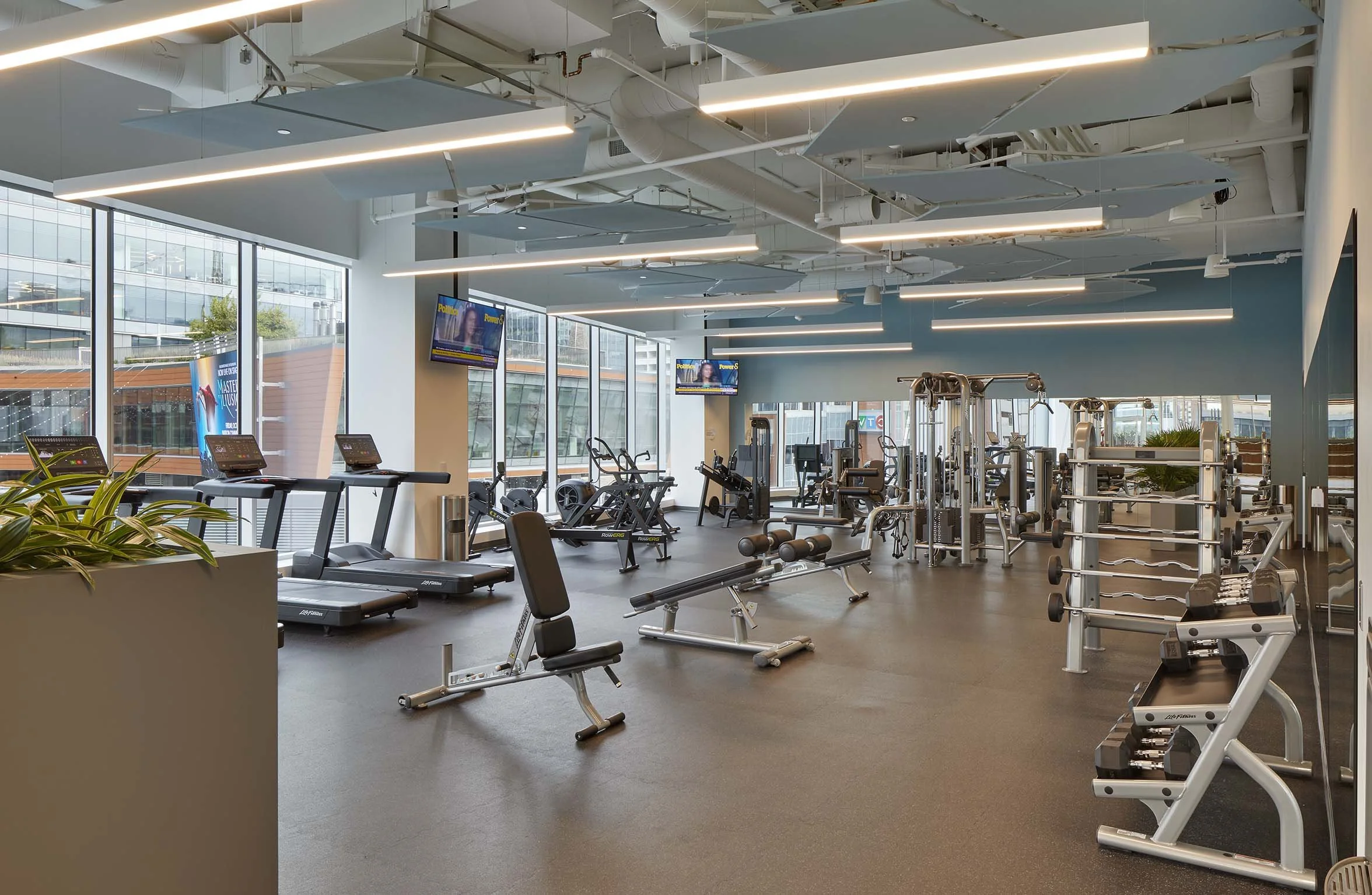
Today's workplace is expected to do more than house employees. It must support organisational culture, enable collaboration, attract and retain talent, foster wellbeing, and adapt to evolving ways of working.
As organizations continue to navigate the return to office, the most successful workplaces find a careful balance between spaces designed for specific needs and spaces that can serve many different uses. Real estate assets still need to be rationalized, but they also need to support staff in a way that makes coming into the workplace worthwhile.
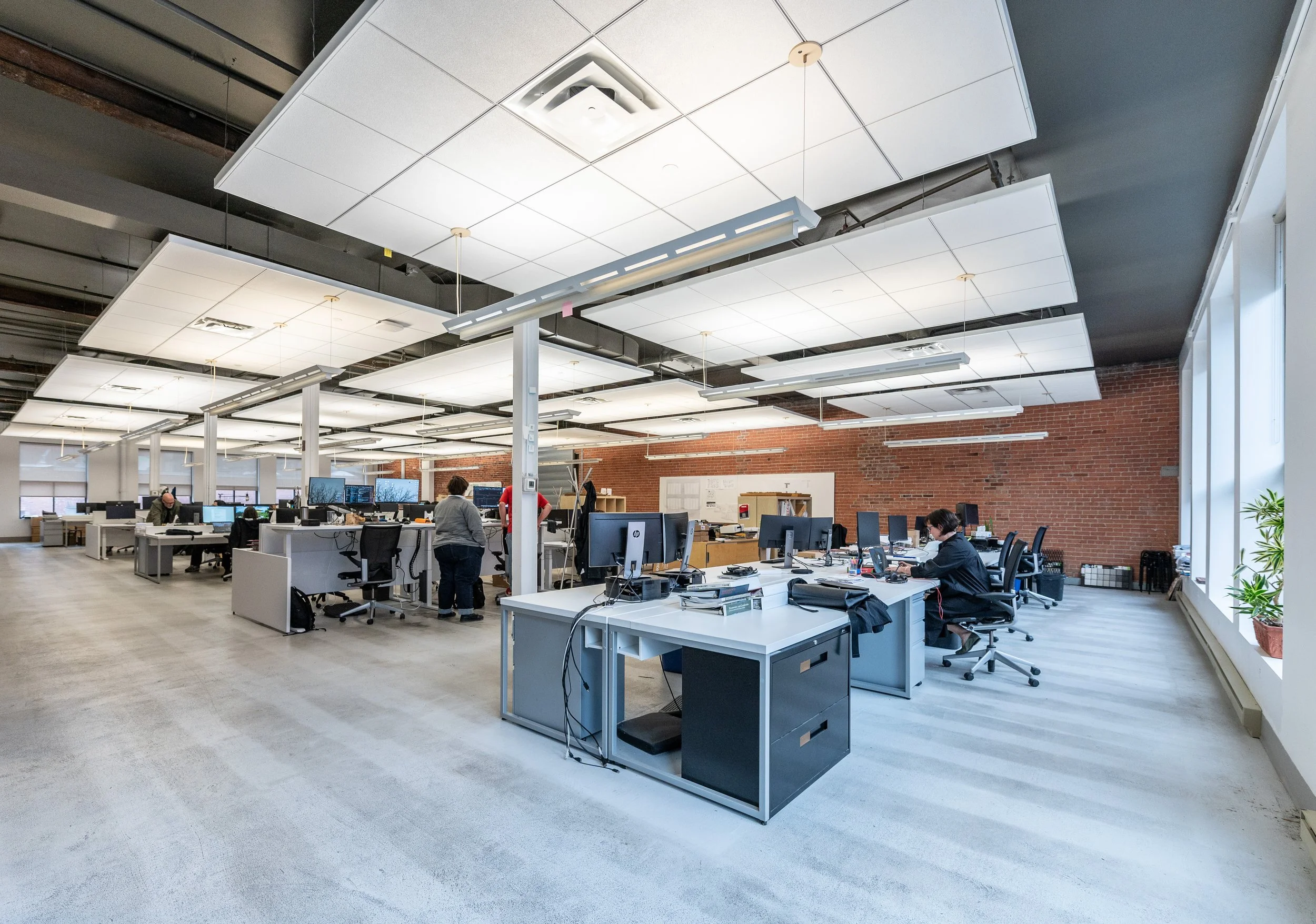
Hybrid work continues to be the norm in many organizations and as such reconsidering the ratio of staff to workstations becomes key to real estate decisions. Less than a 1:1 ratio can be effective, but only when the workplace is planned with enough flexibility and enough variety of functional spaces: places to focus, places to collaborate, and spaces that can adapt as needs shift.
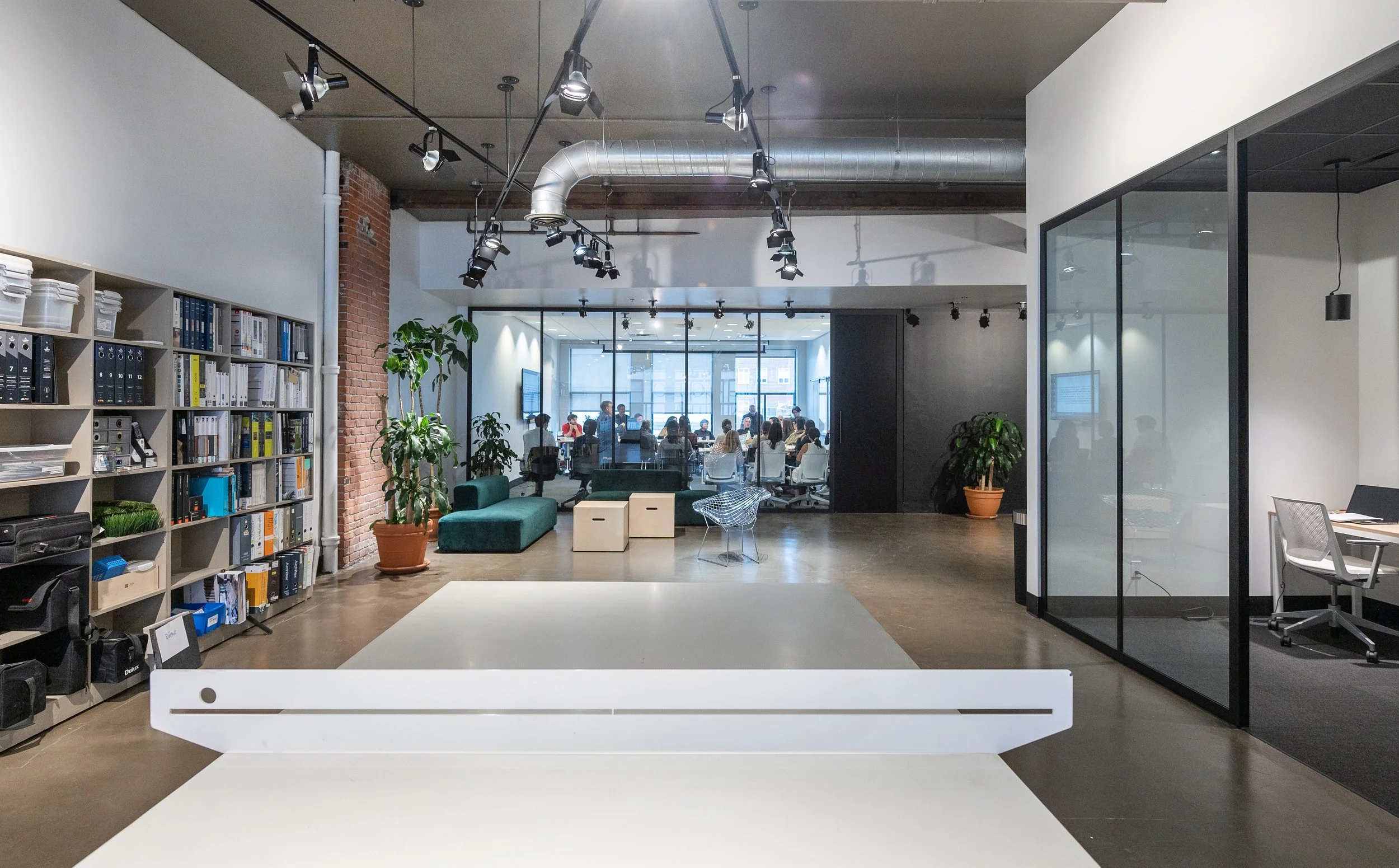
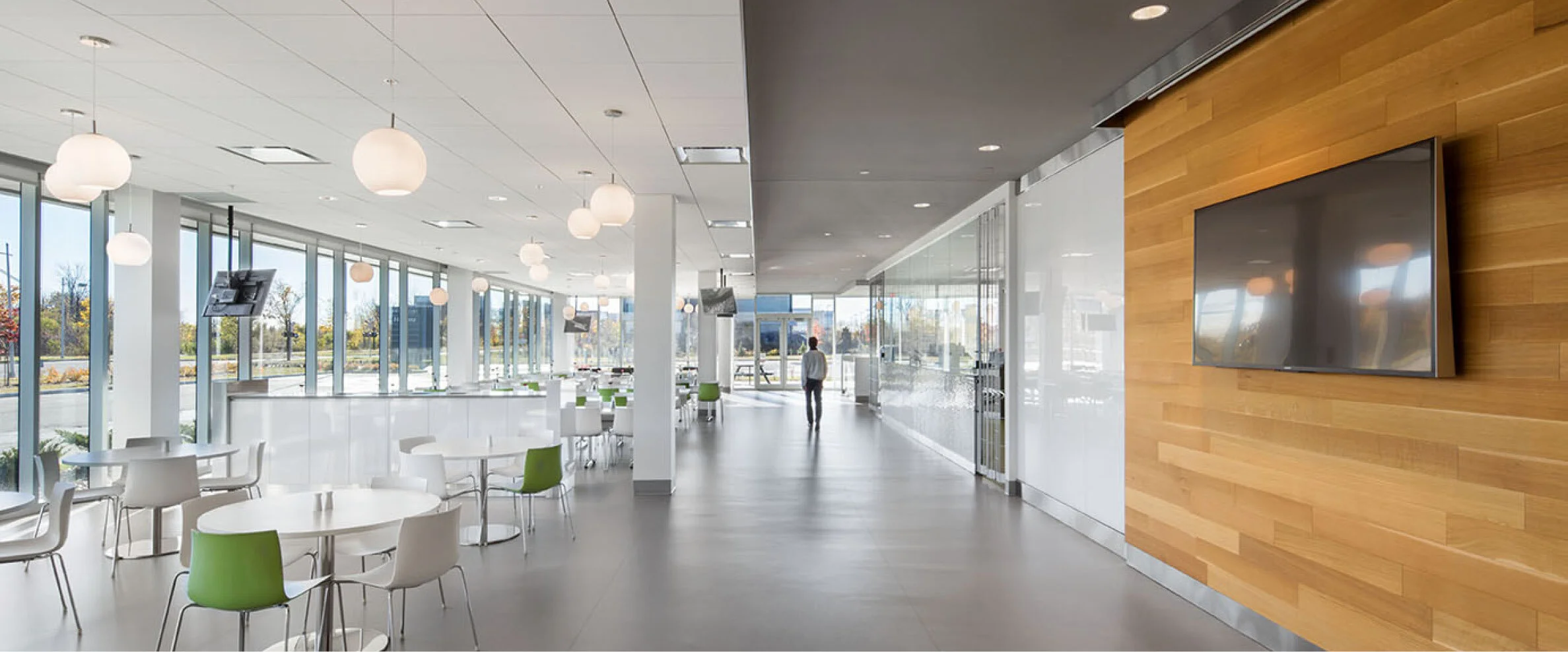
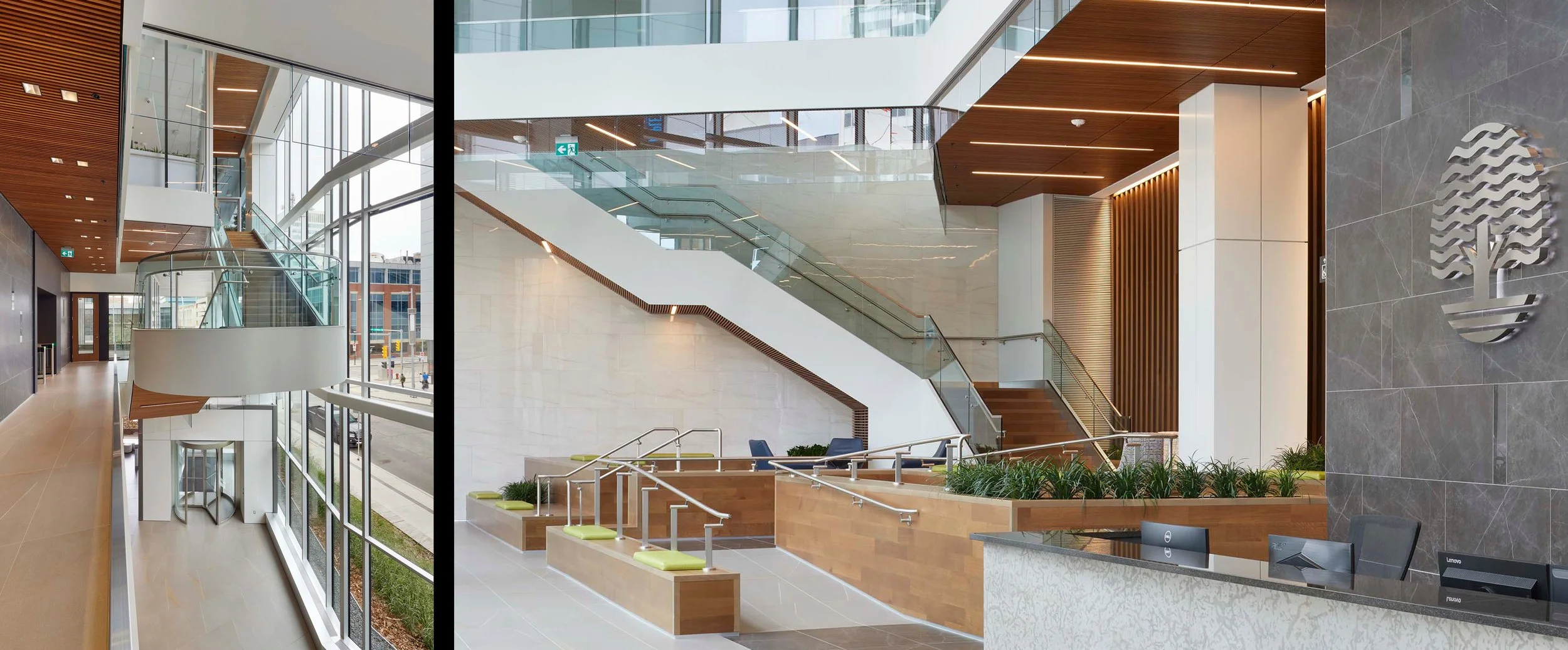
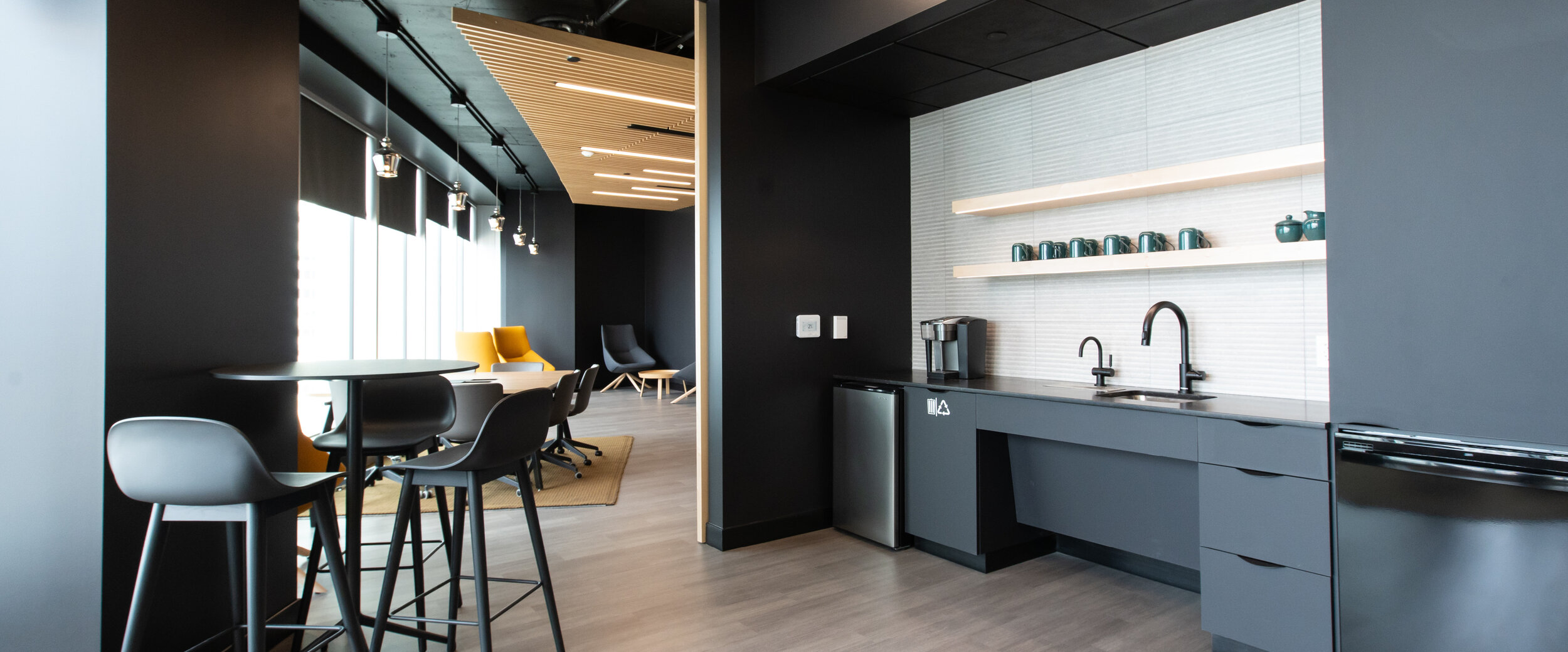
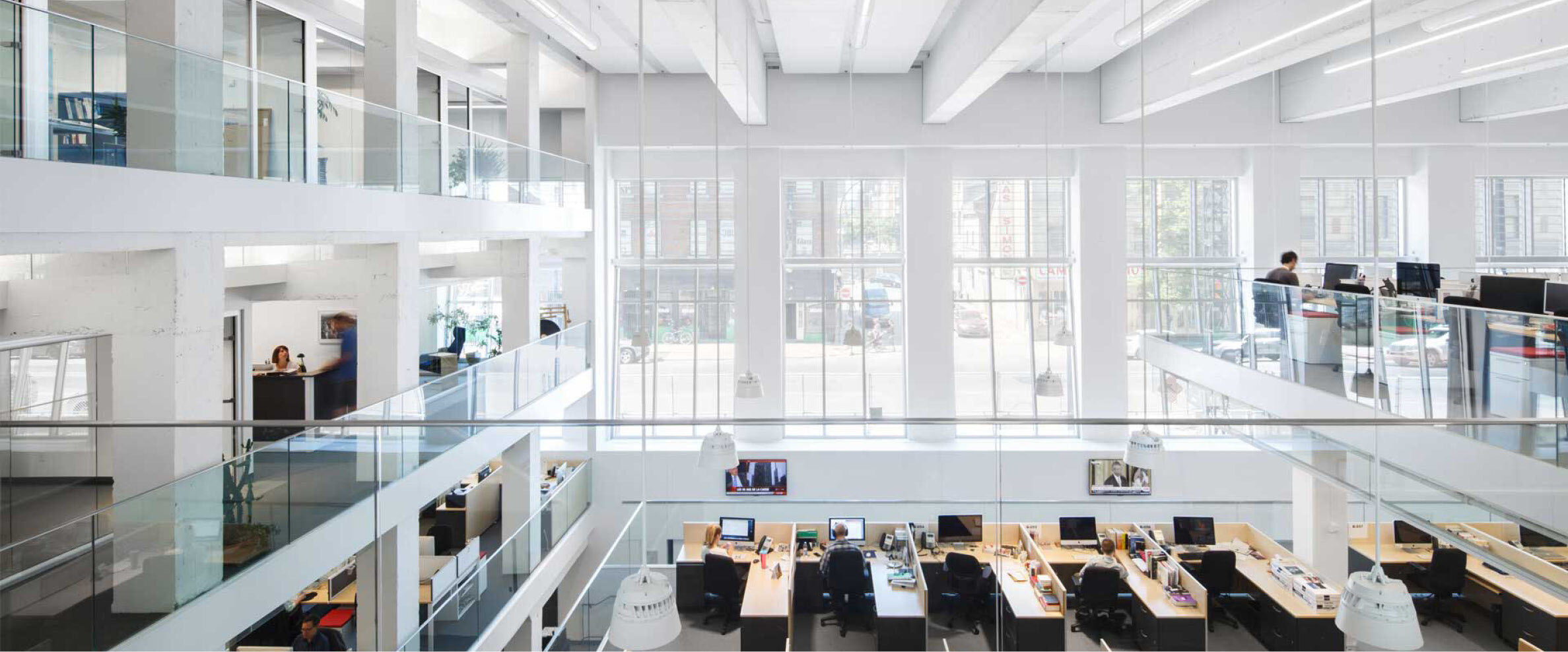
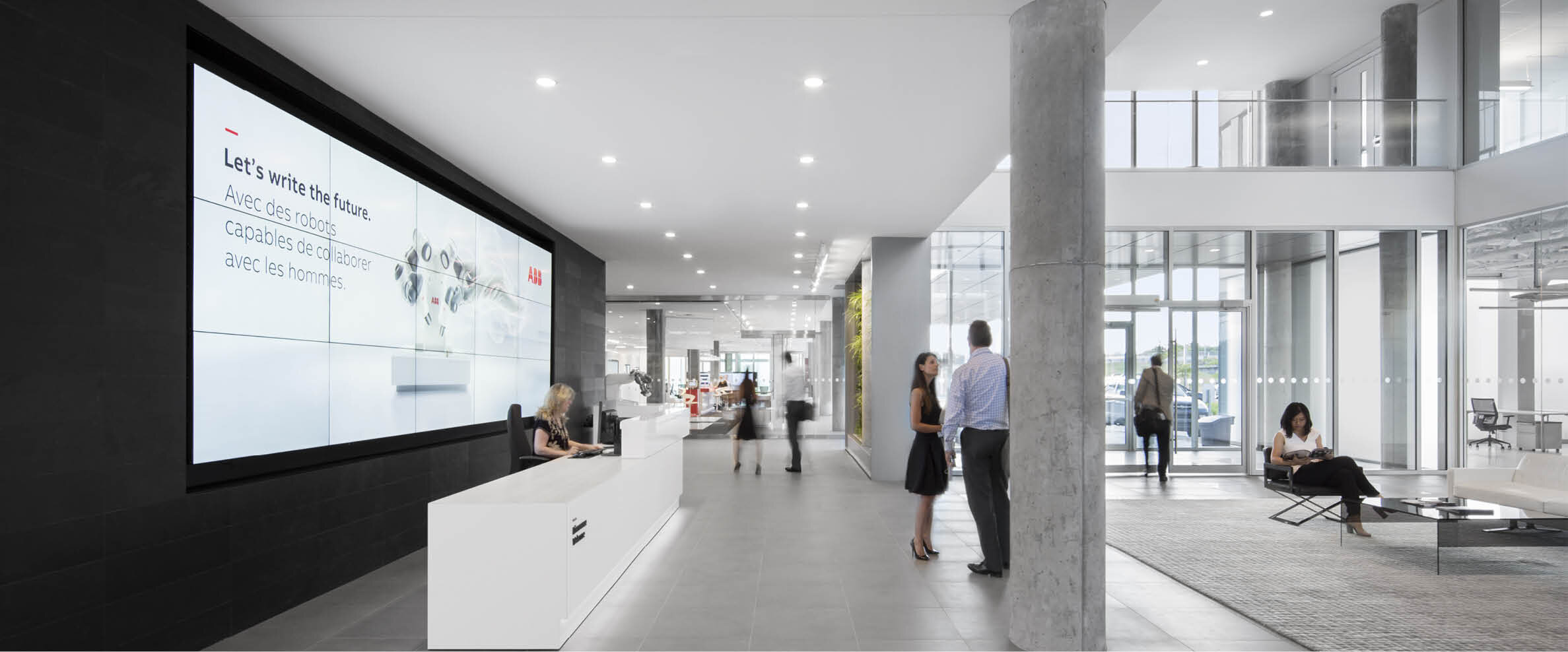
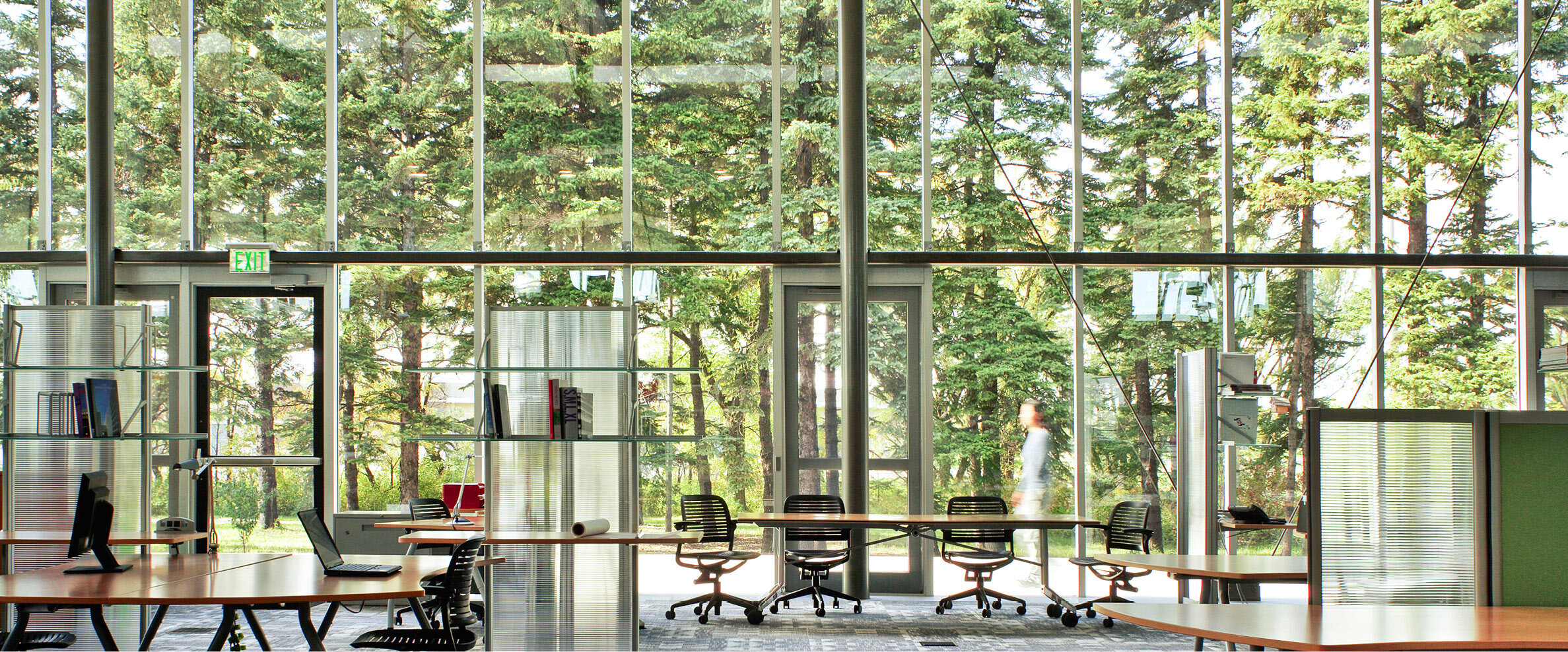
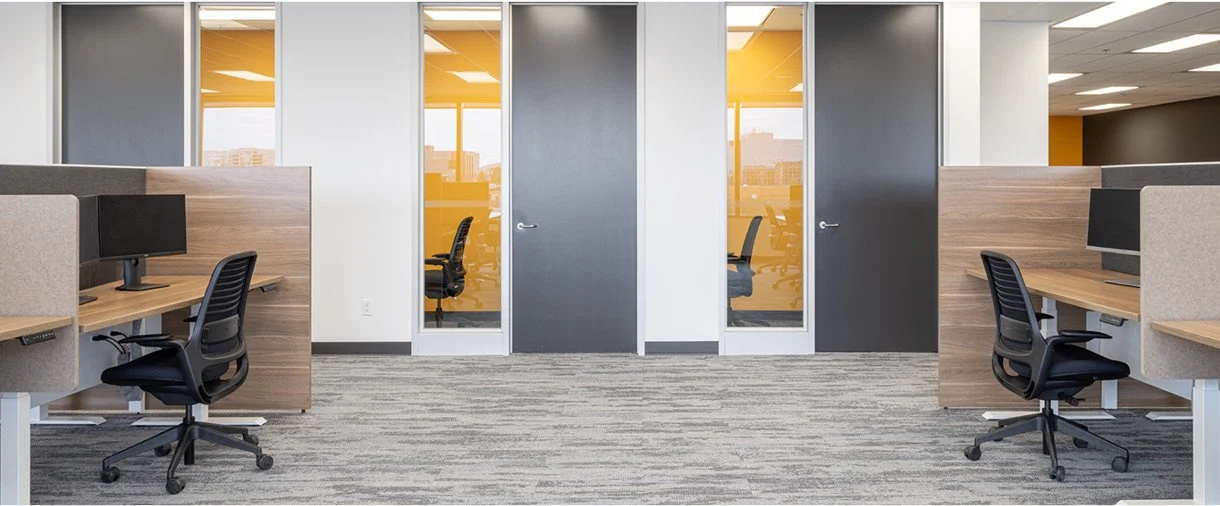
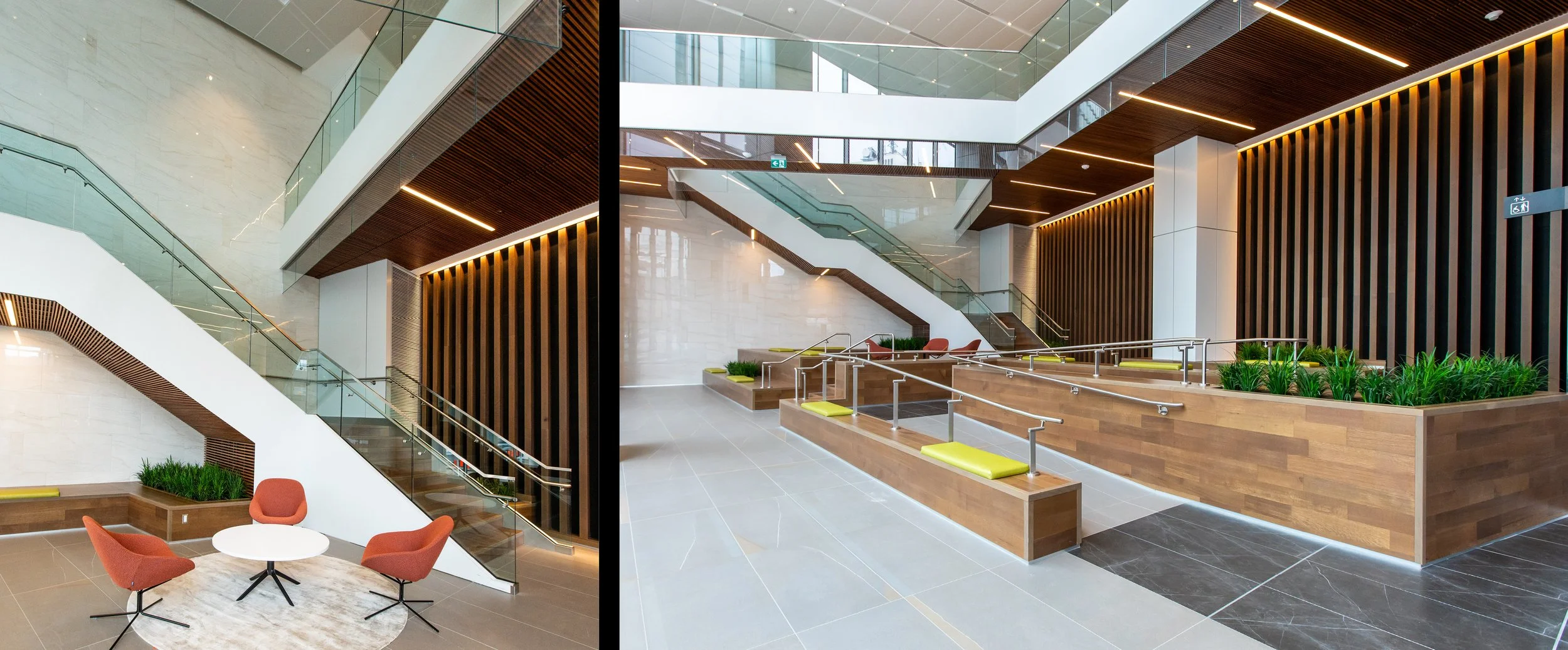
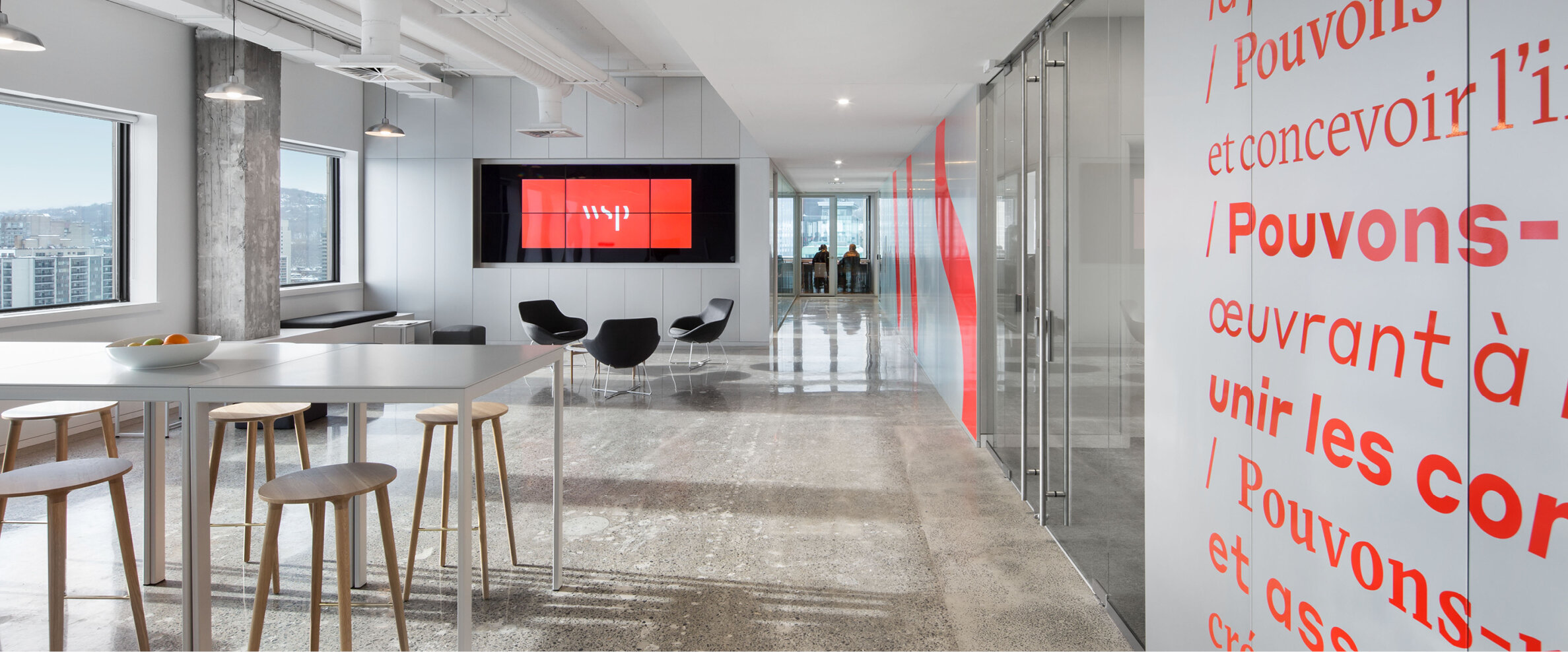
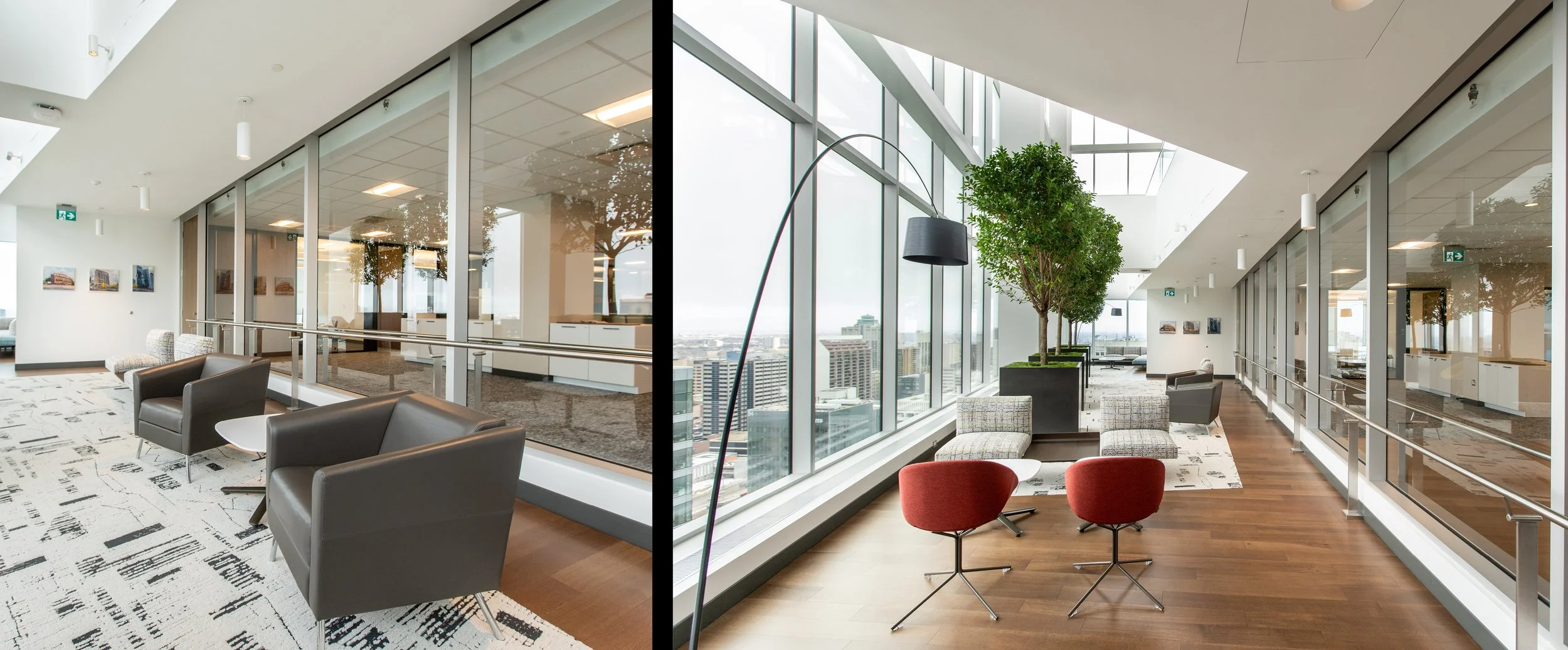
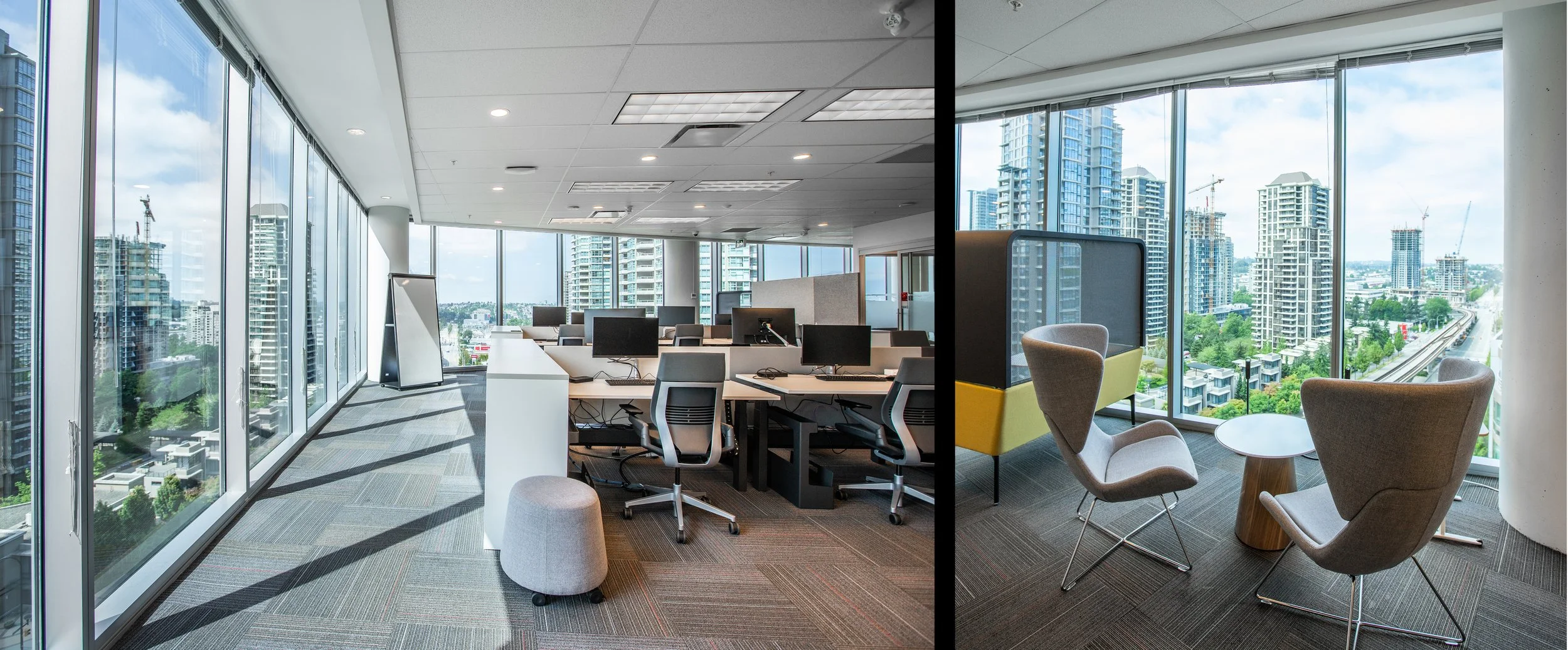
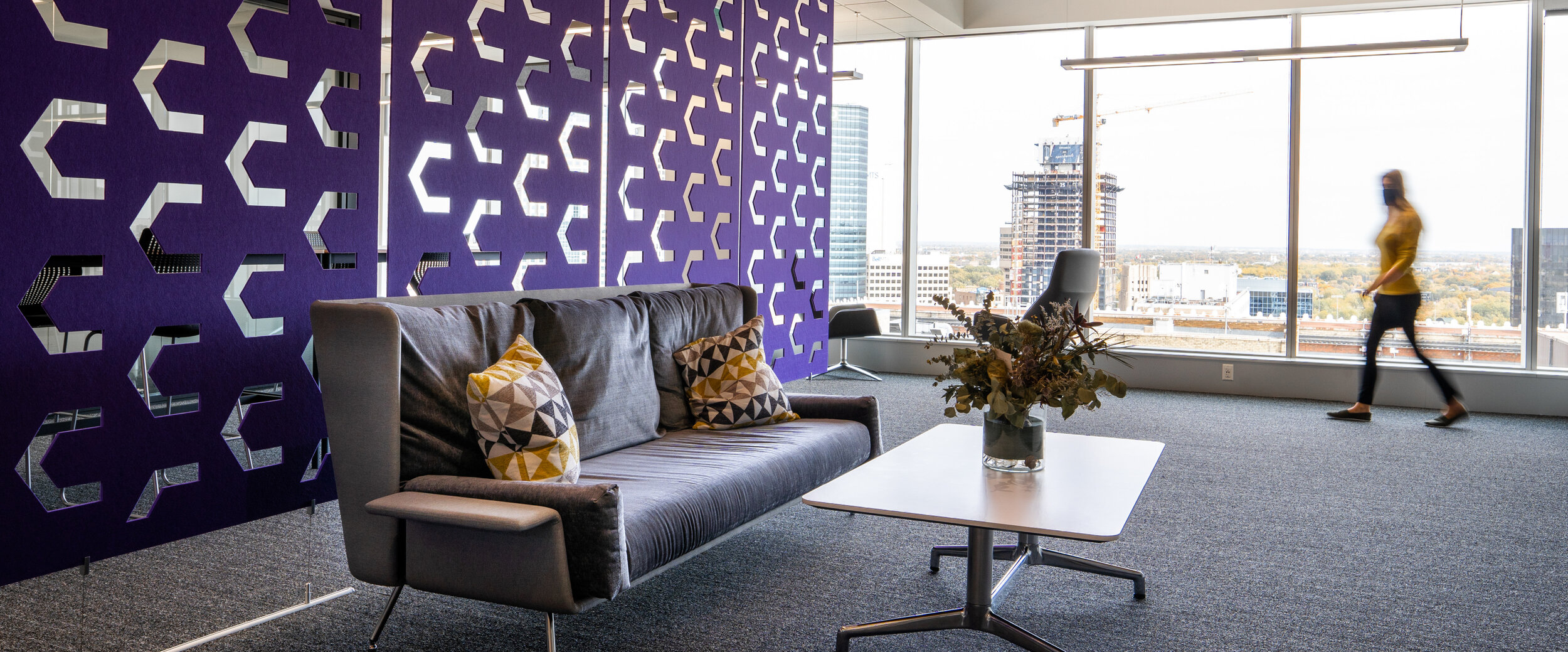

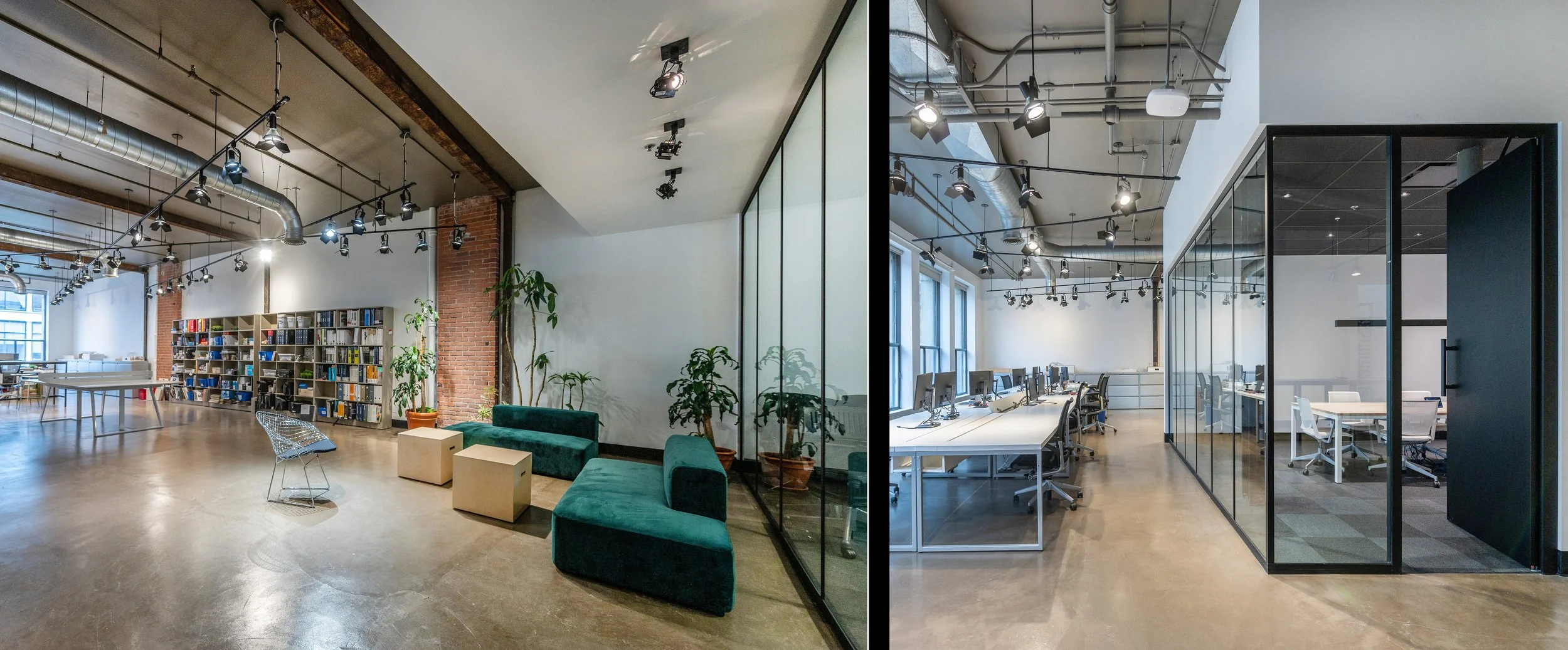
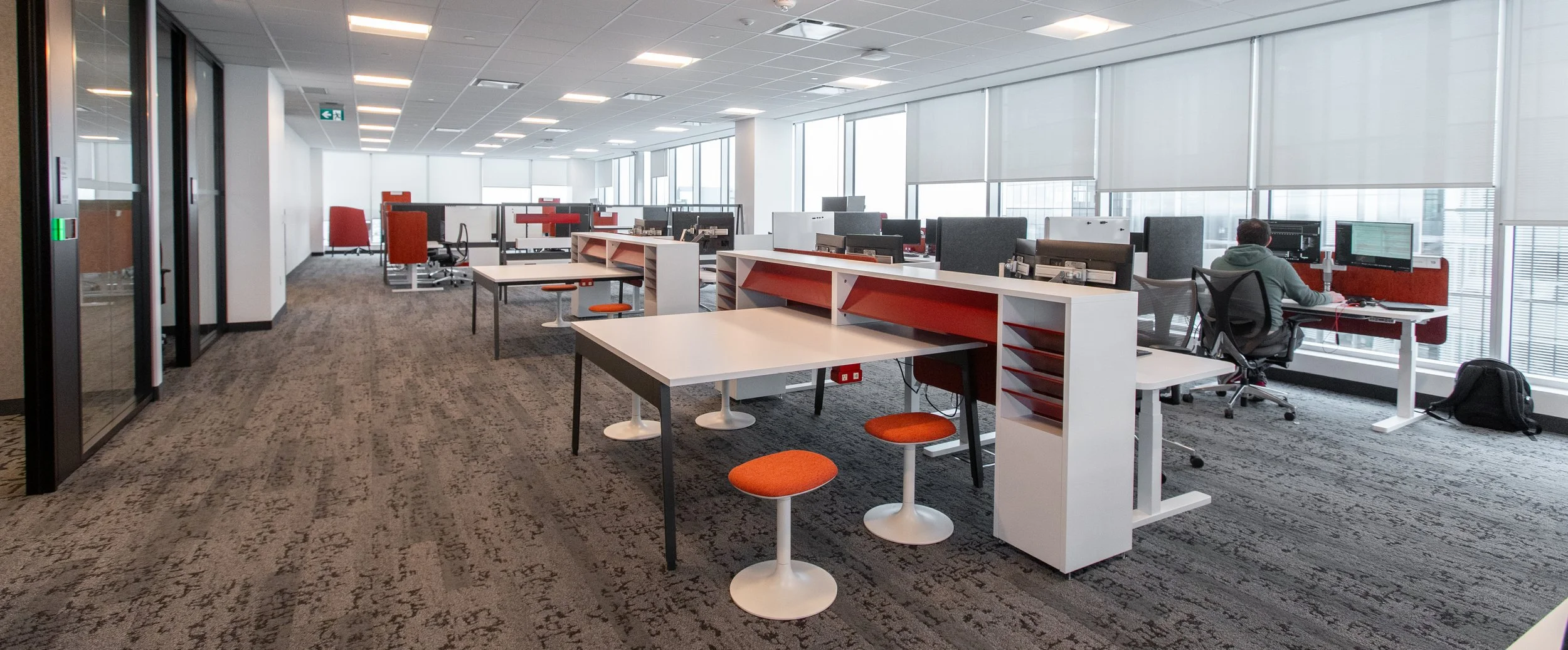
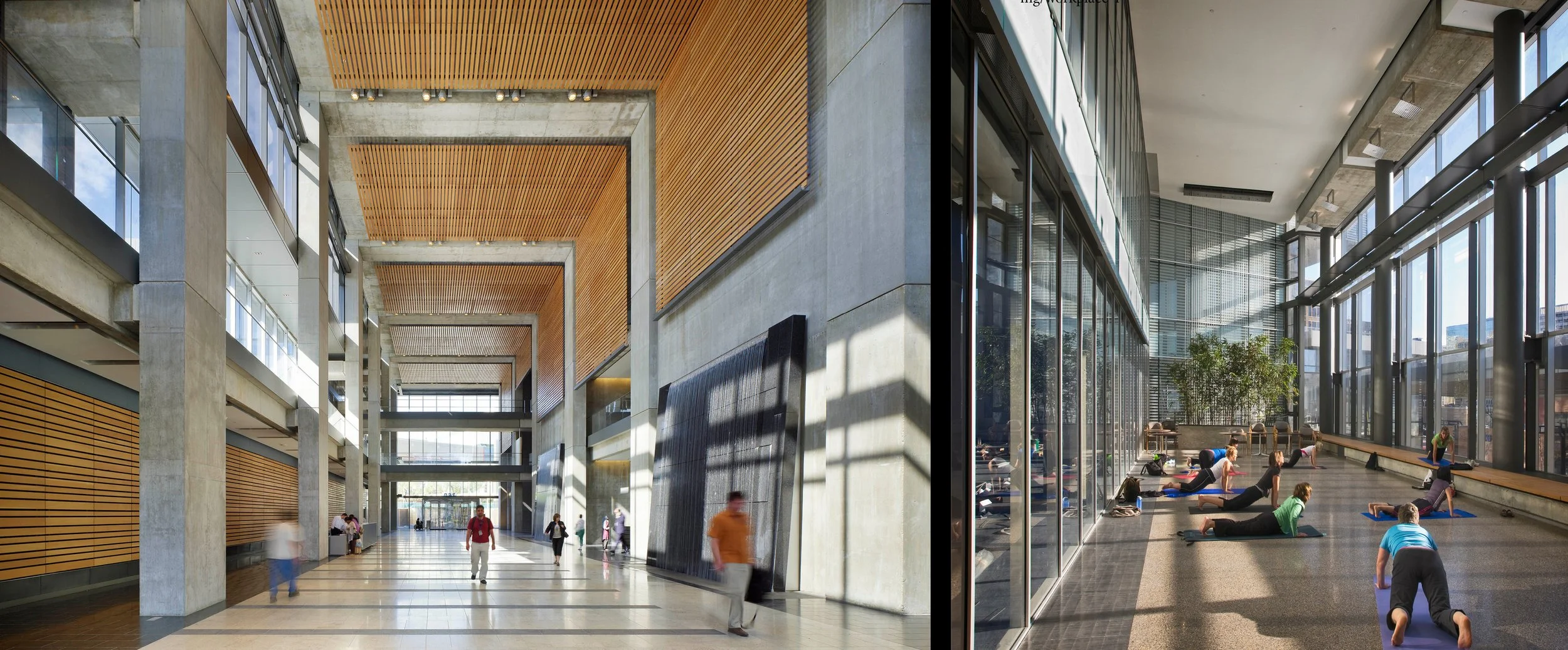

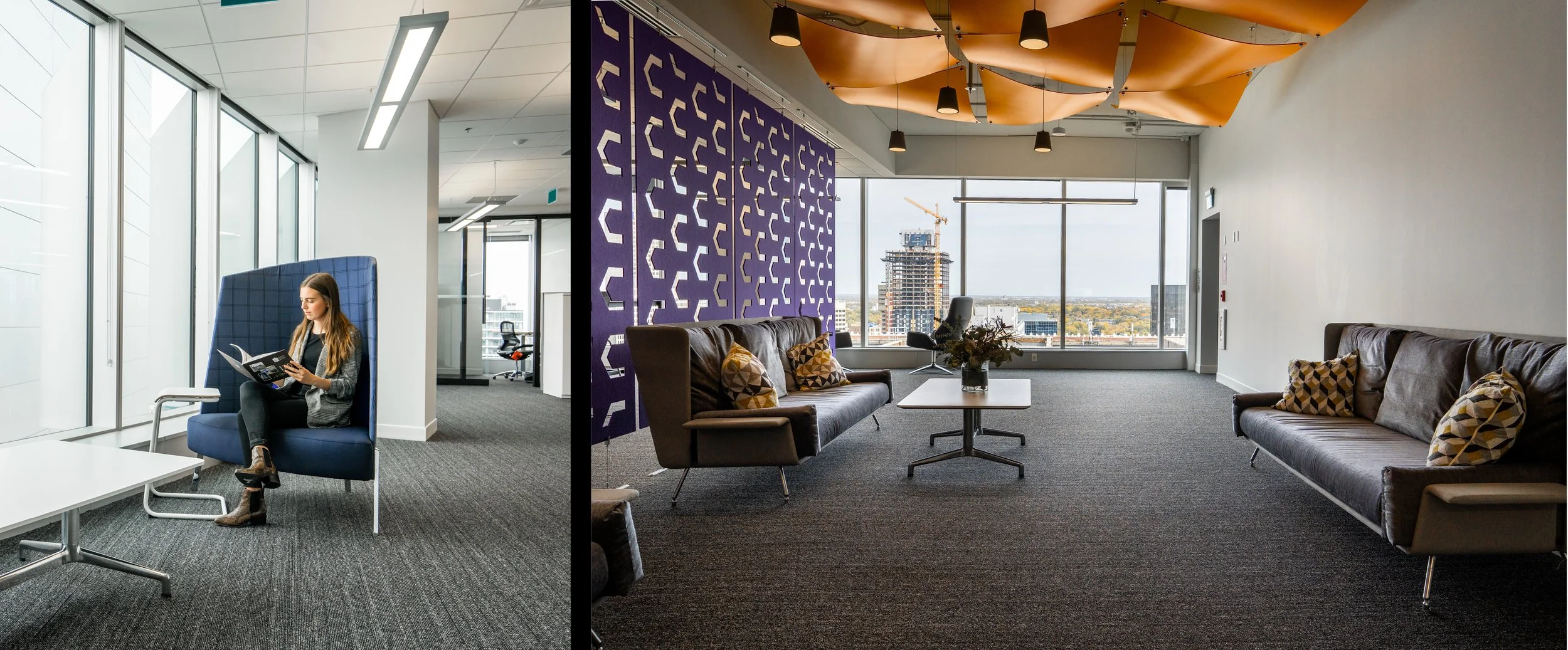
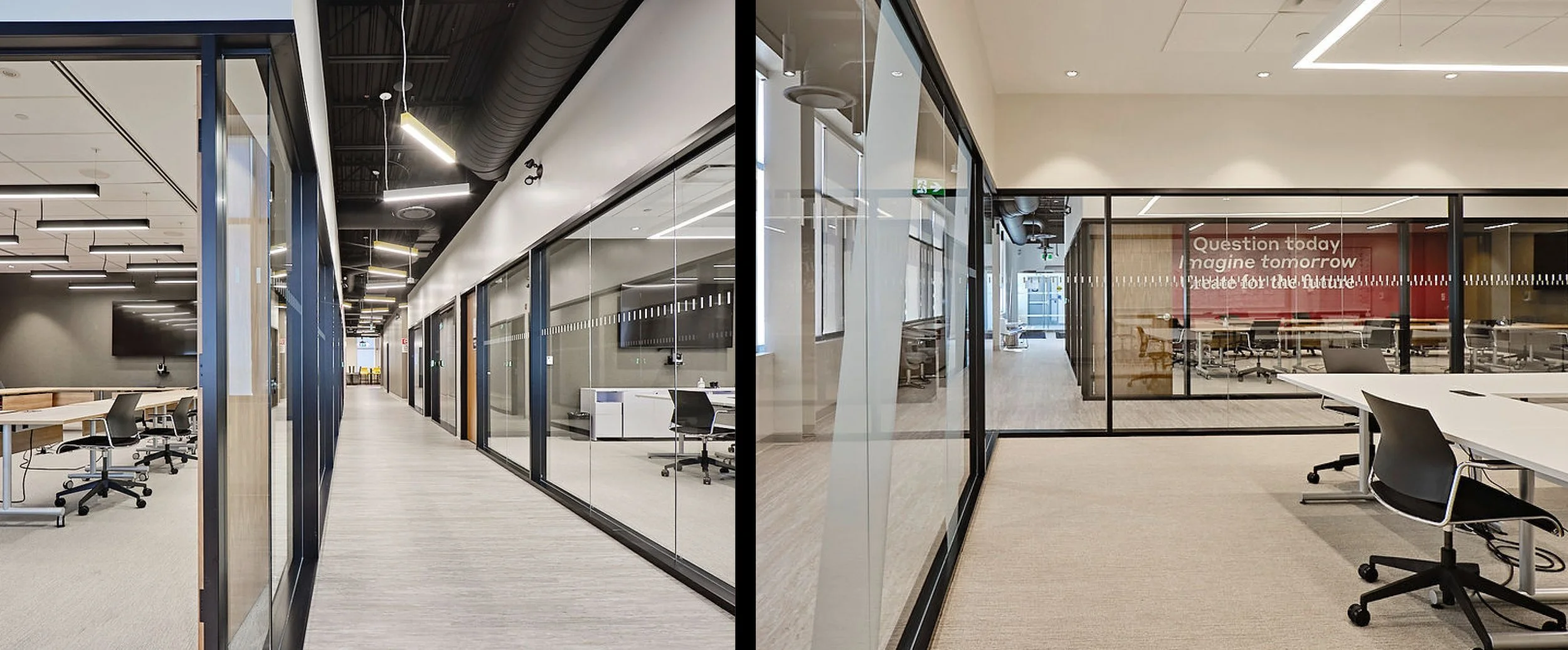
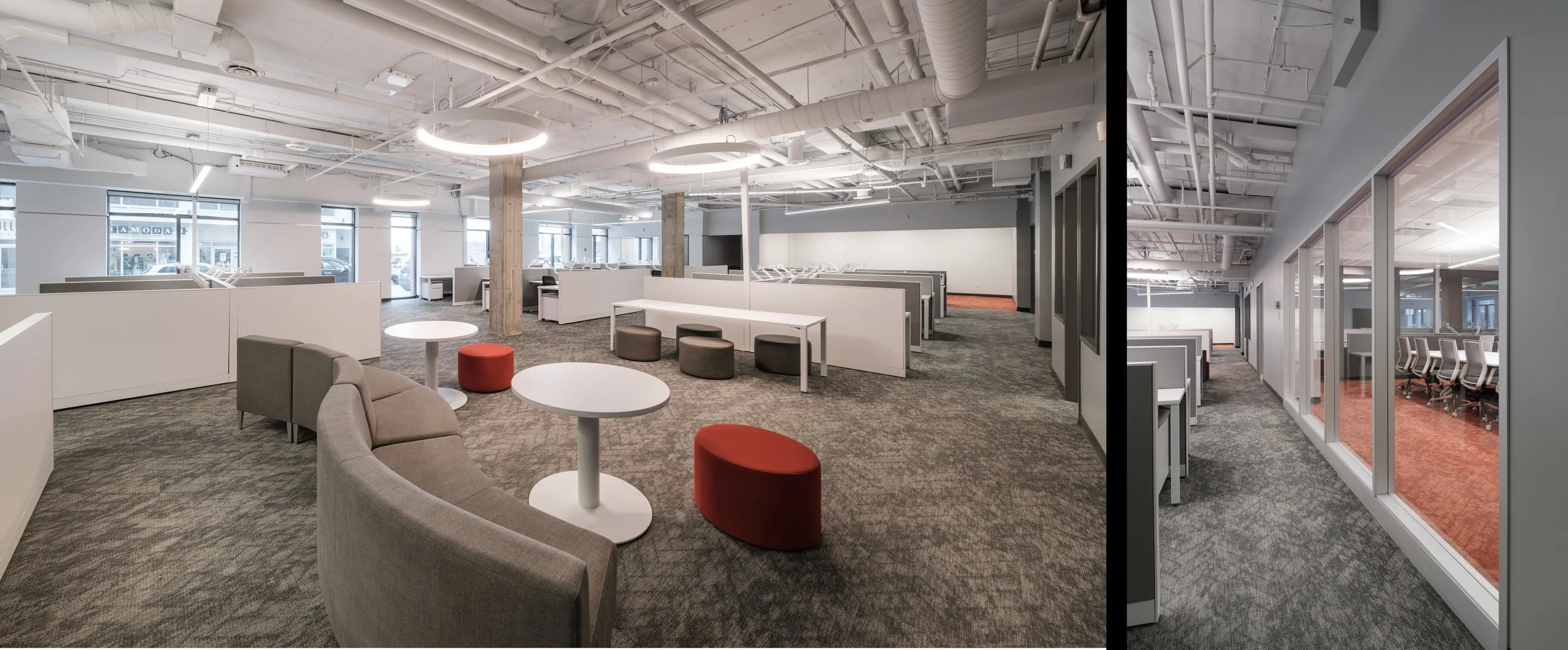
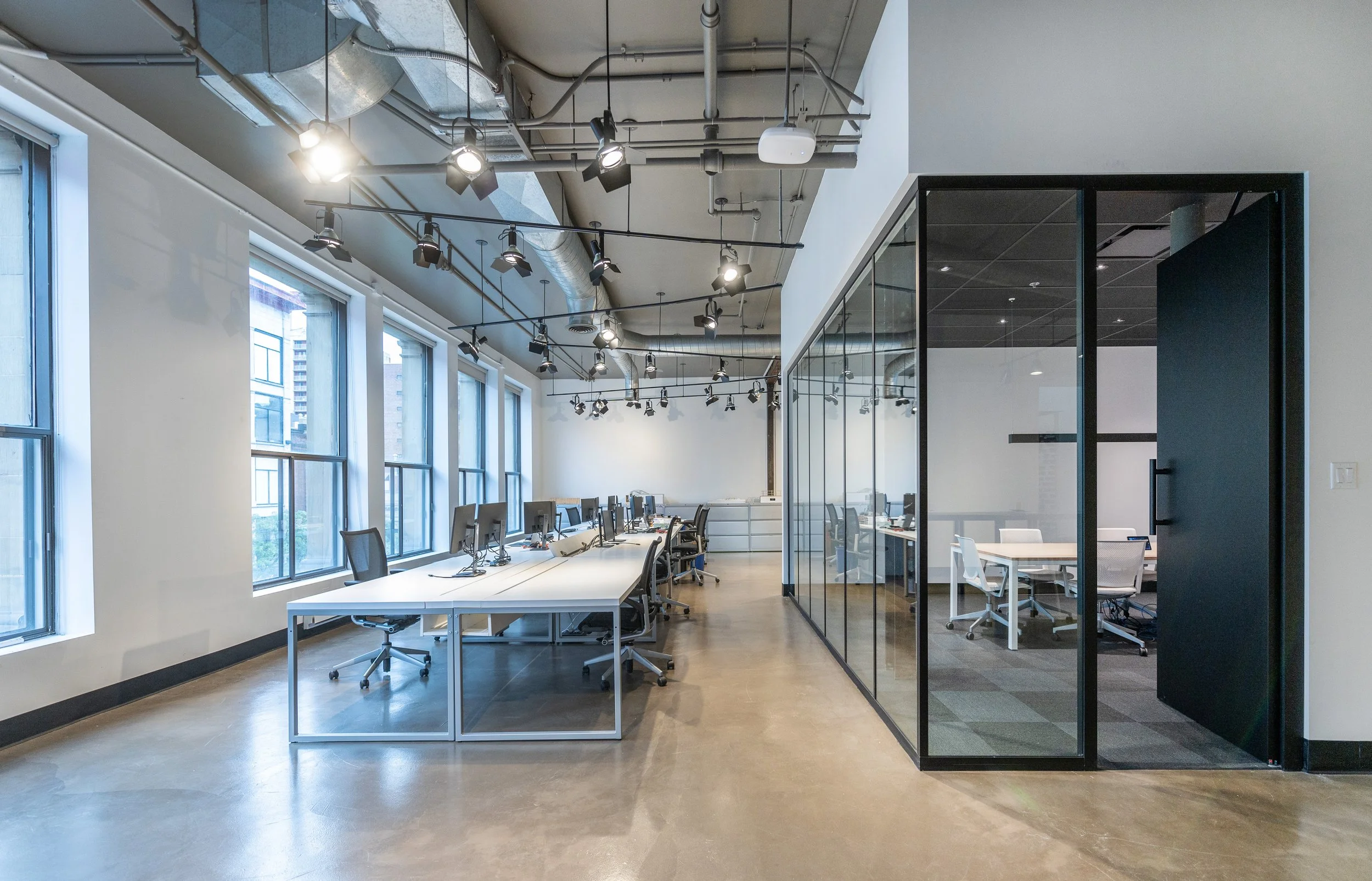
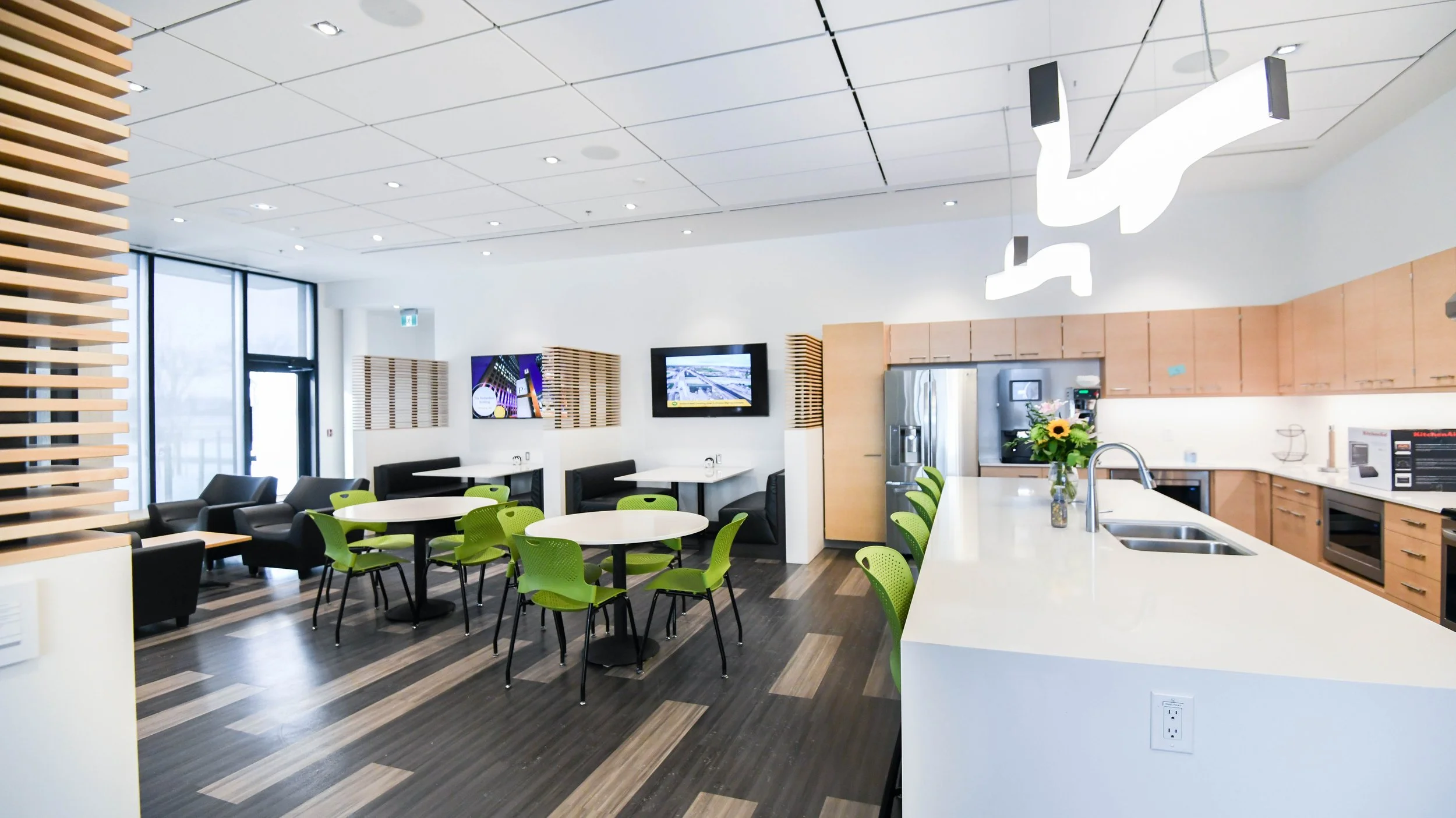
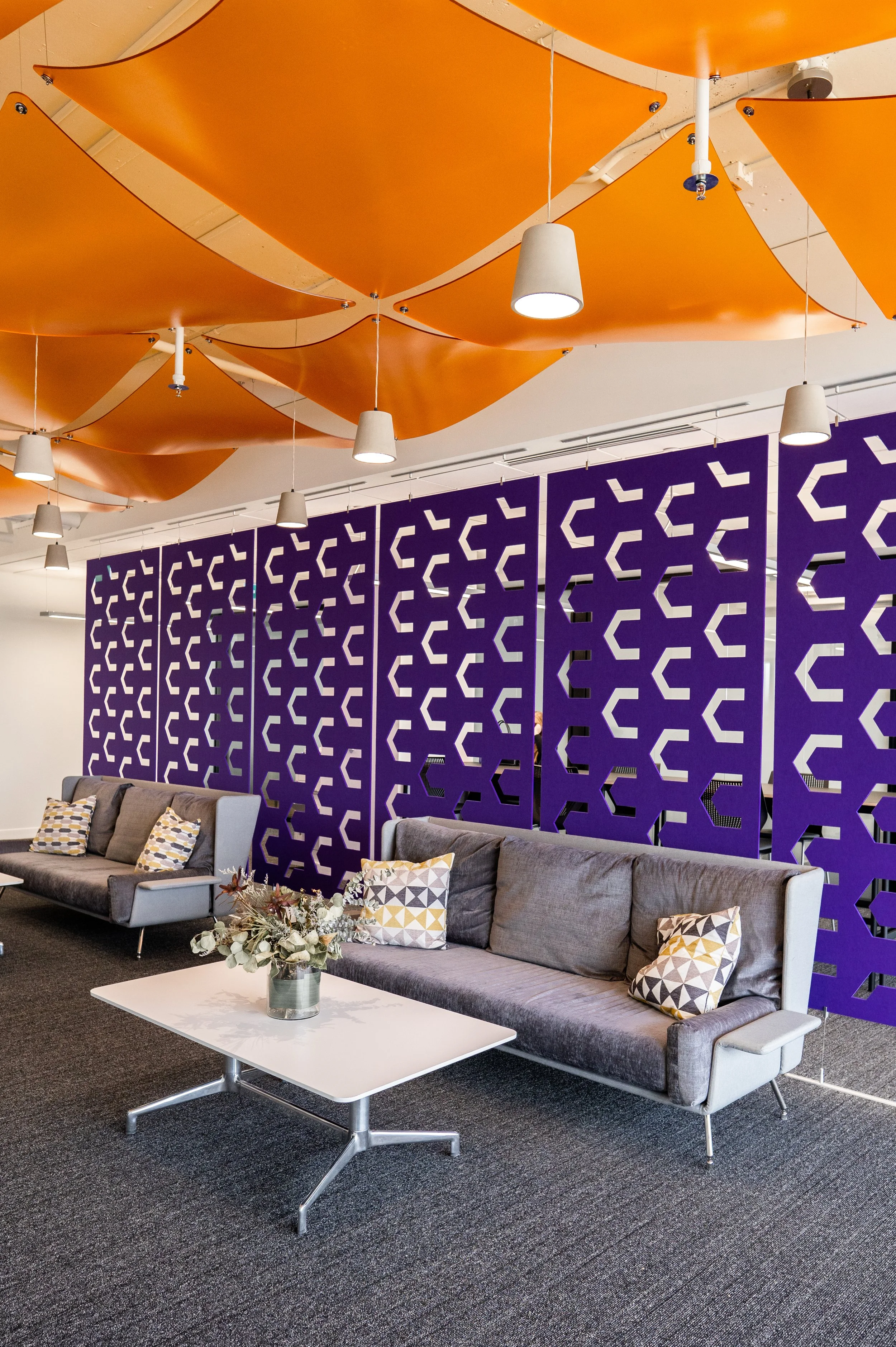
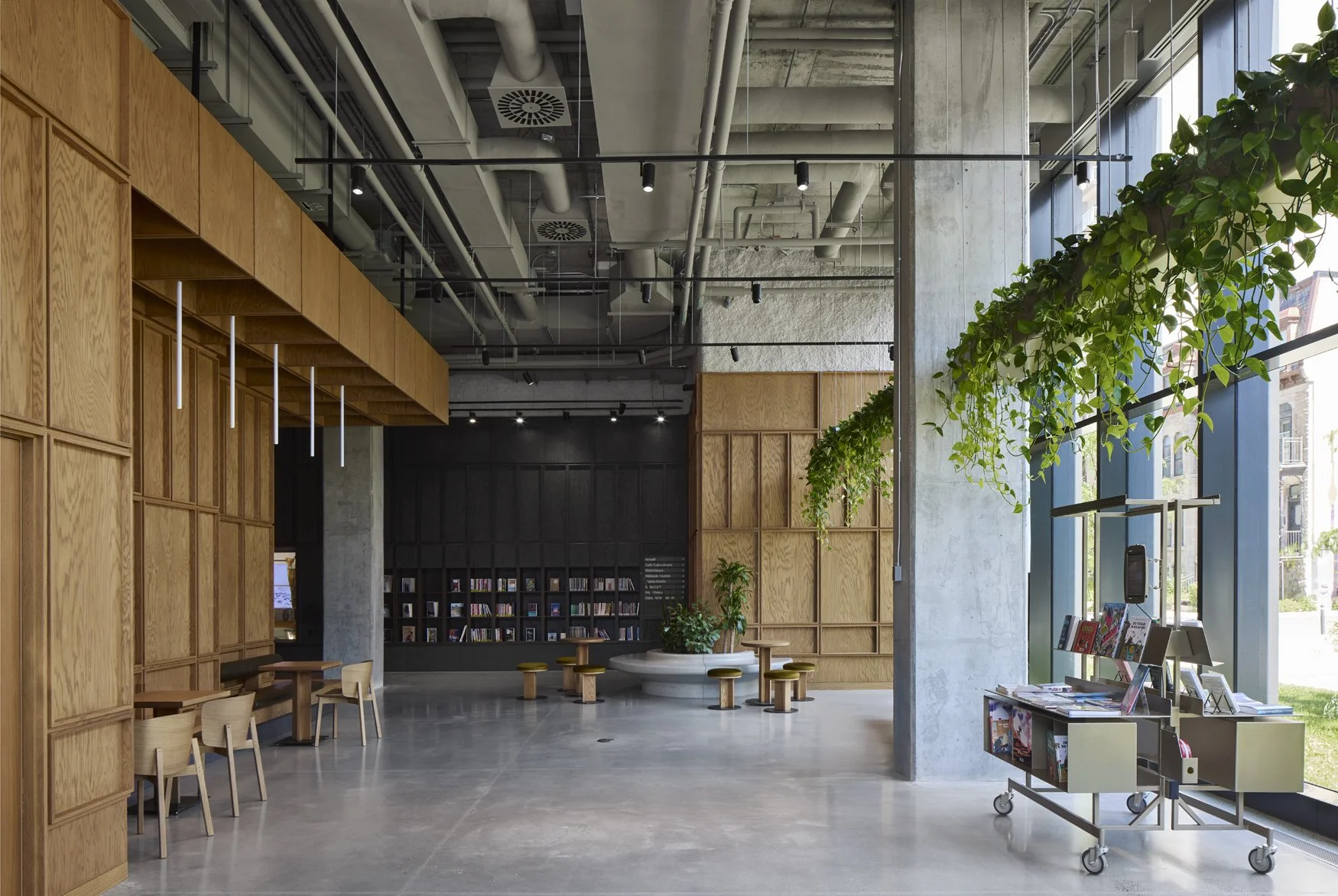
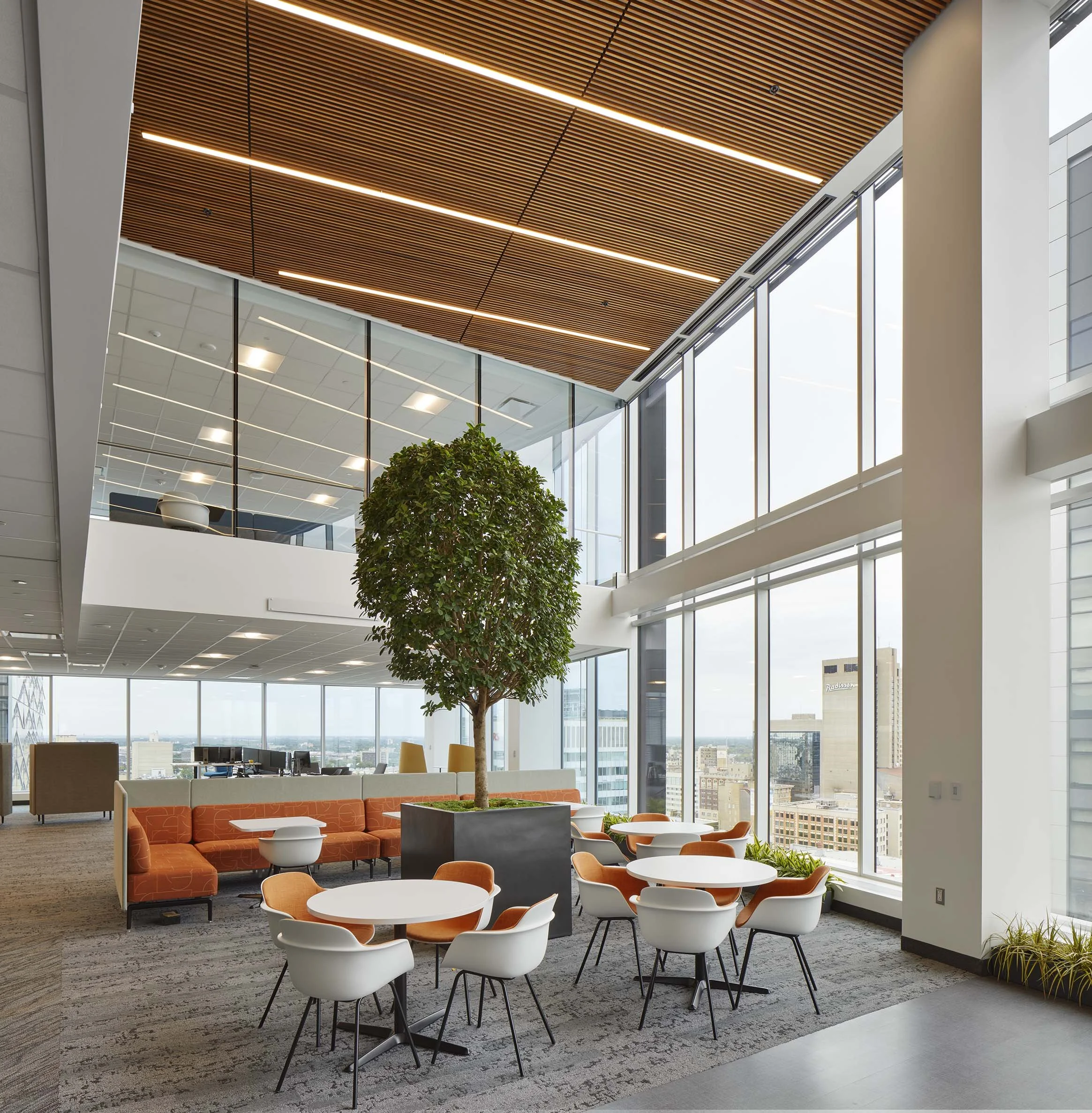
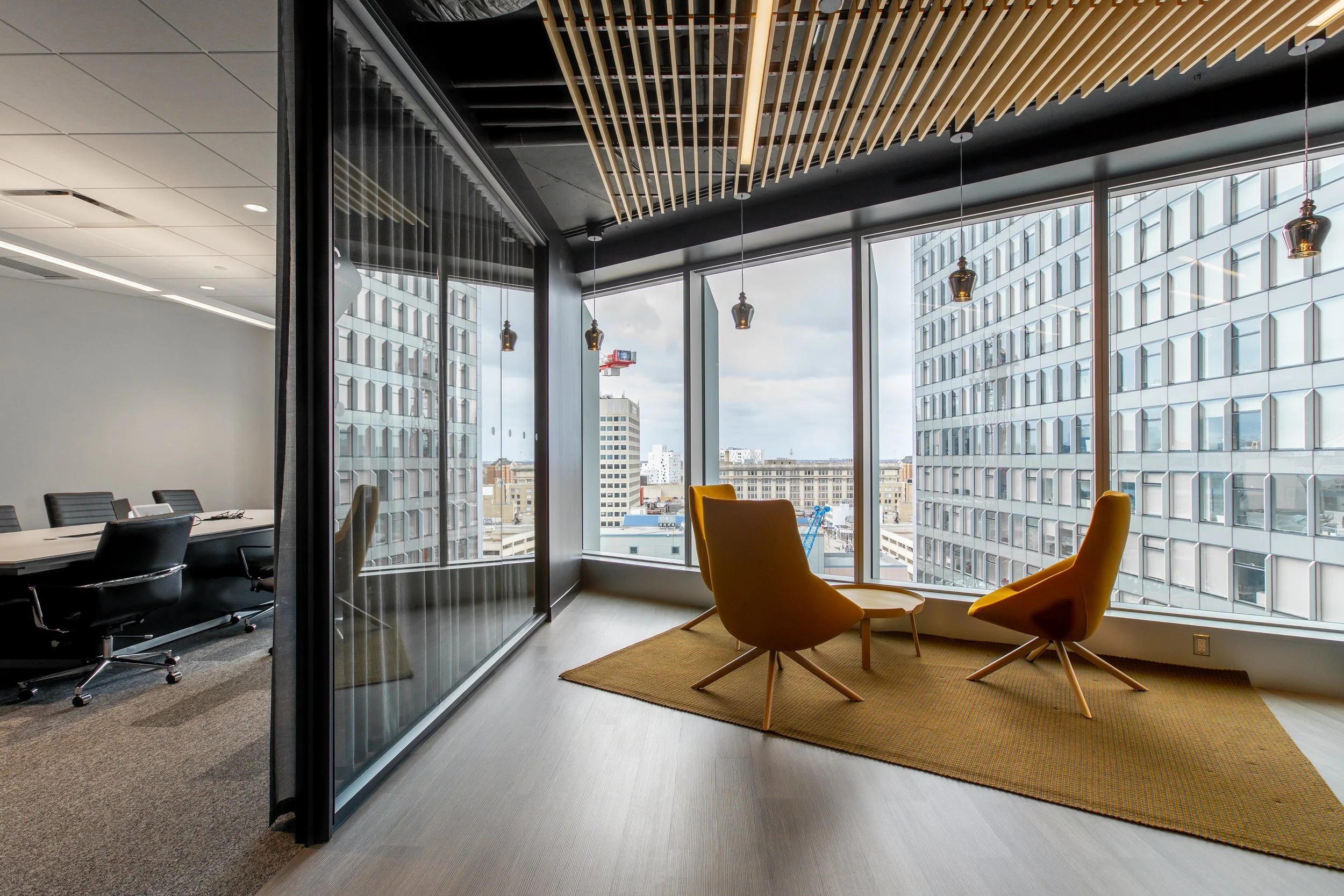
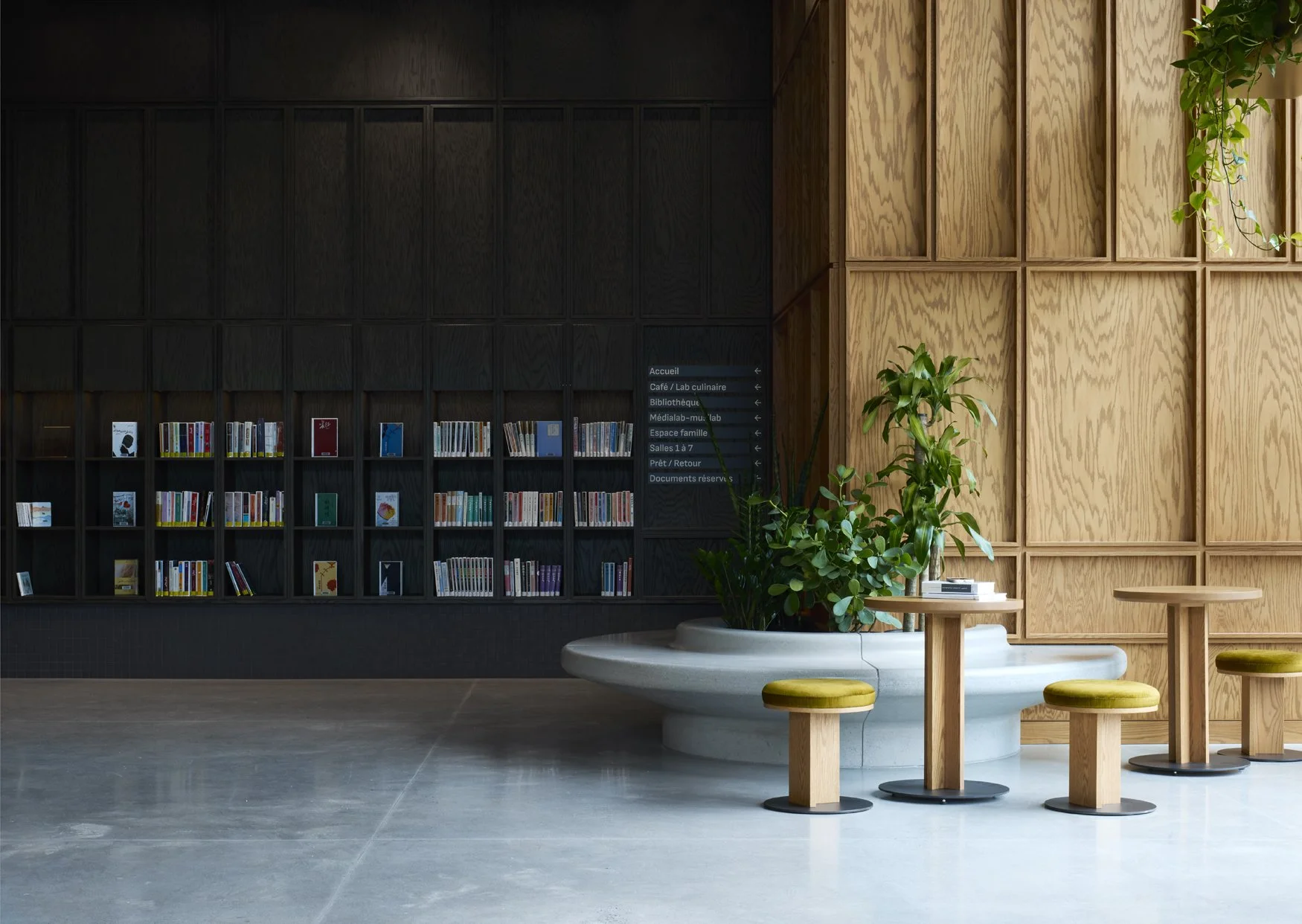
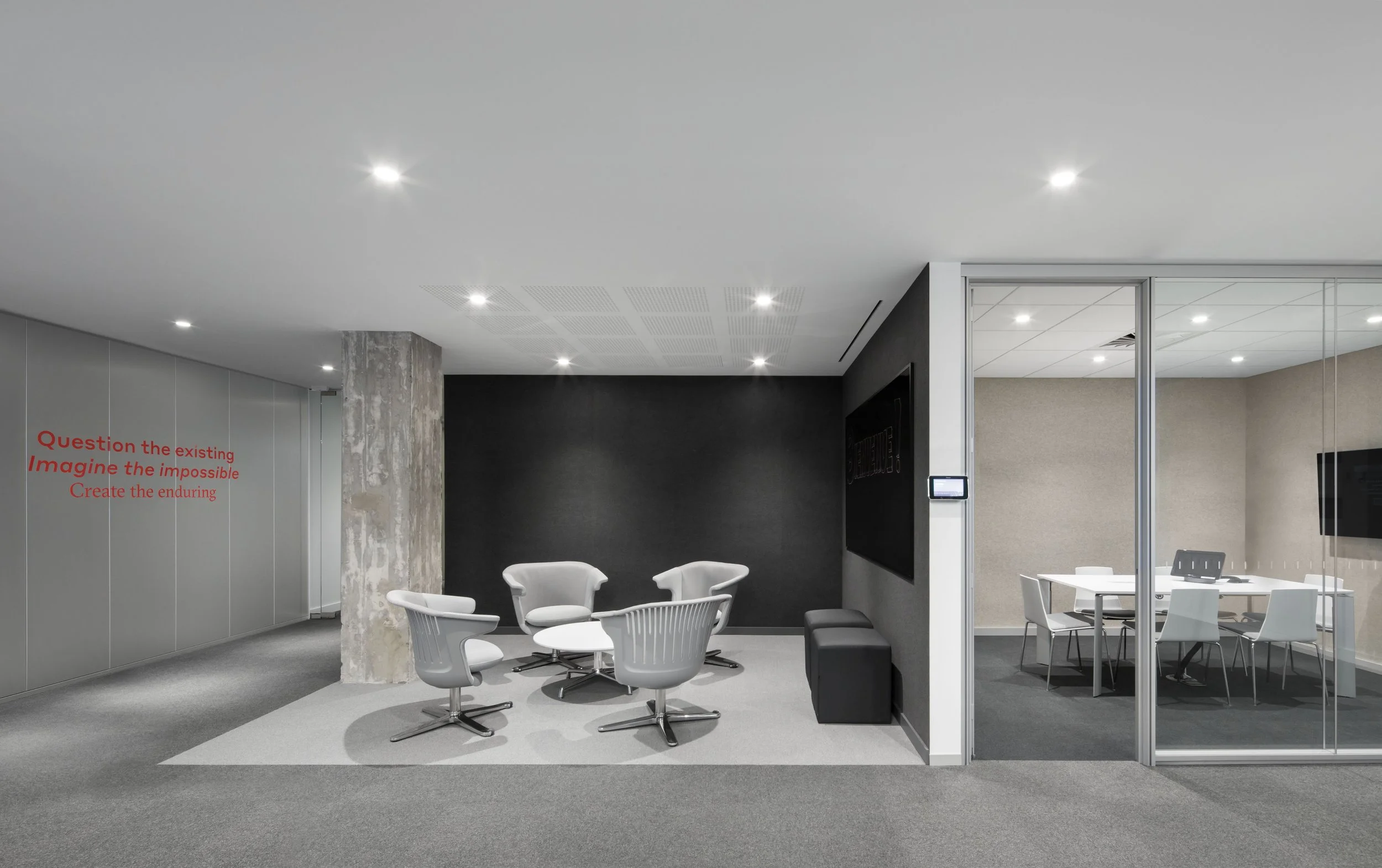
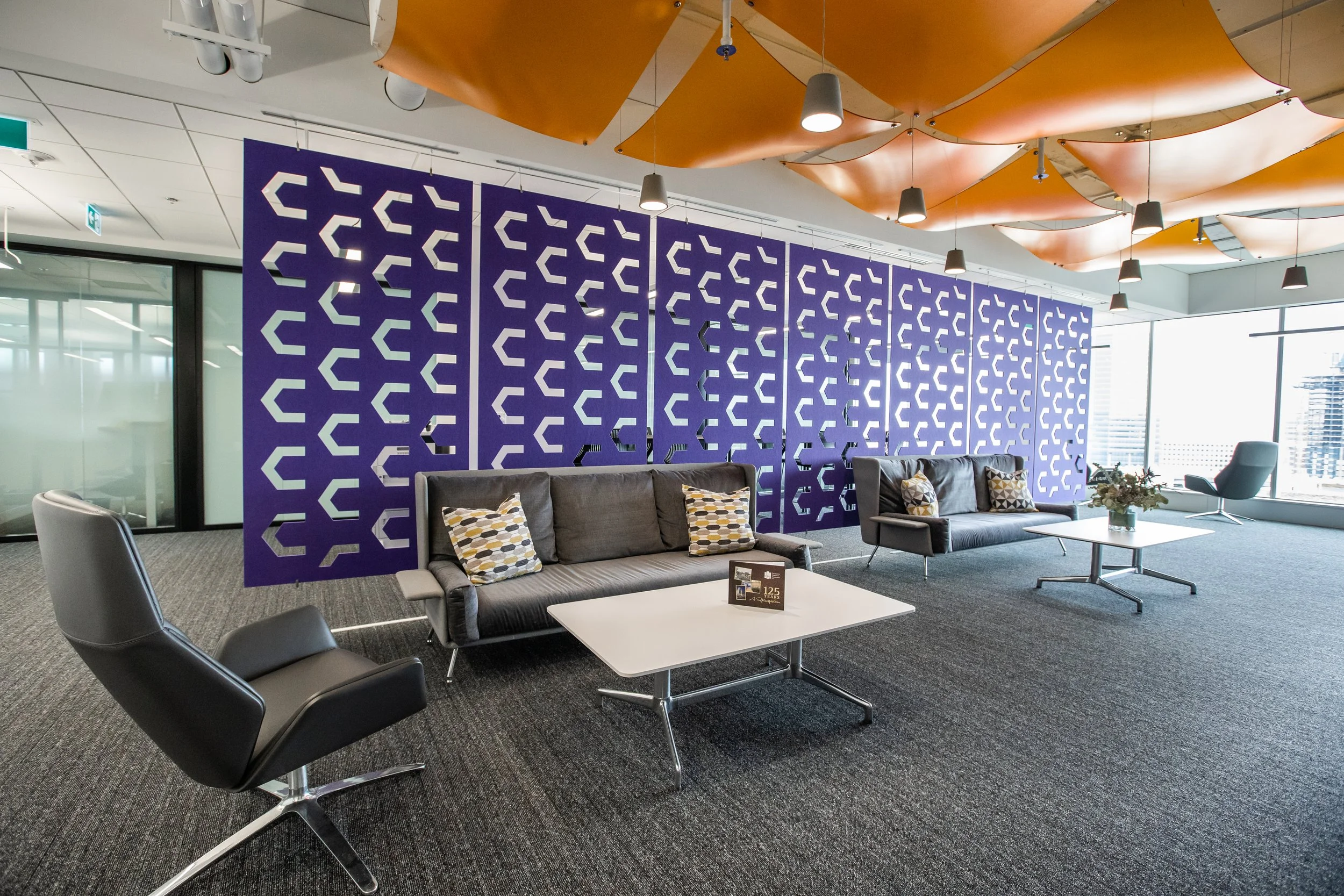
The workspace must provide a vibrant environment for its employees that underscore the values of collaboration, team engagement, creativity and customer focus. The environment must also provide a variety of space settings ranging from open to fully private in support of activities that may be quite different in function.
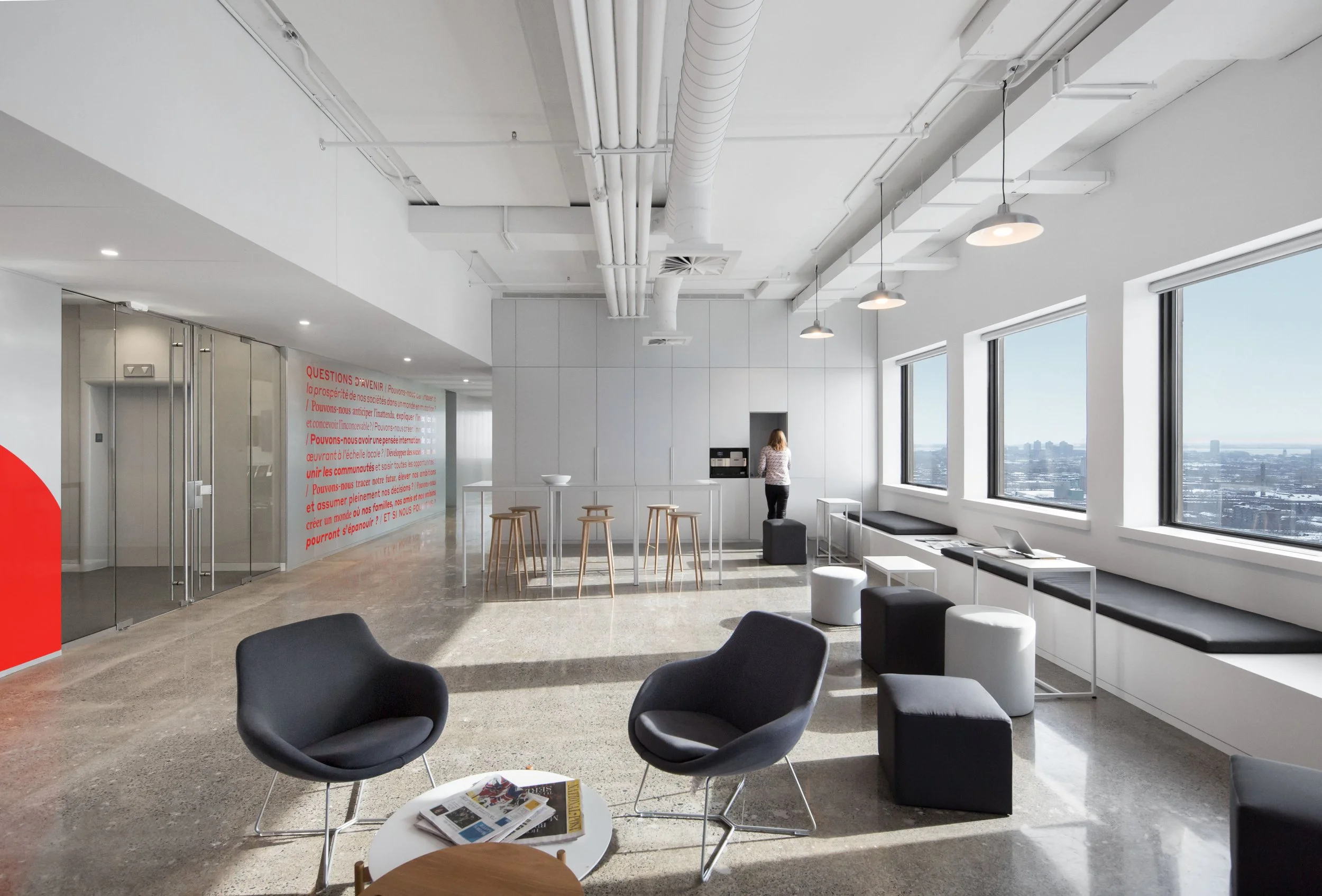
Comfort and control
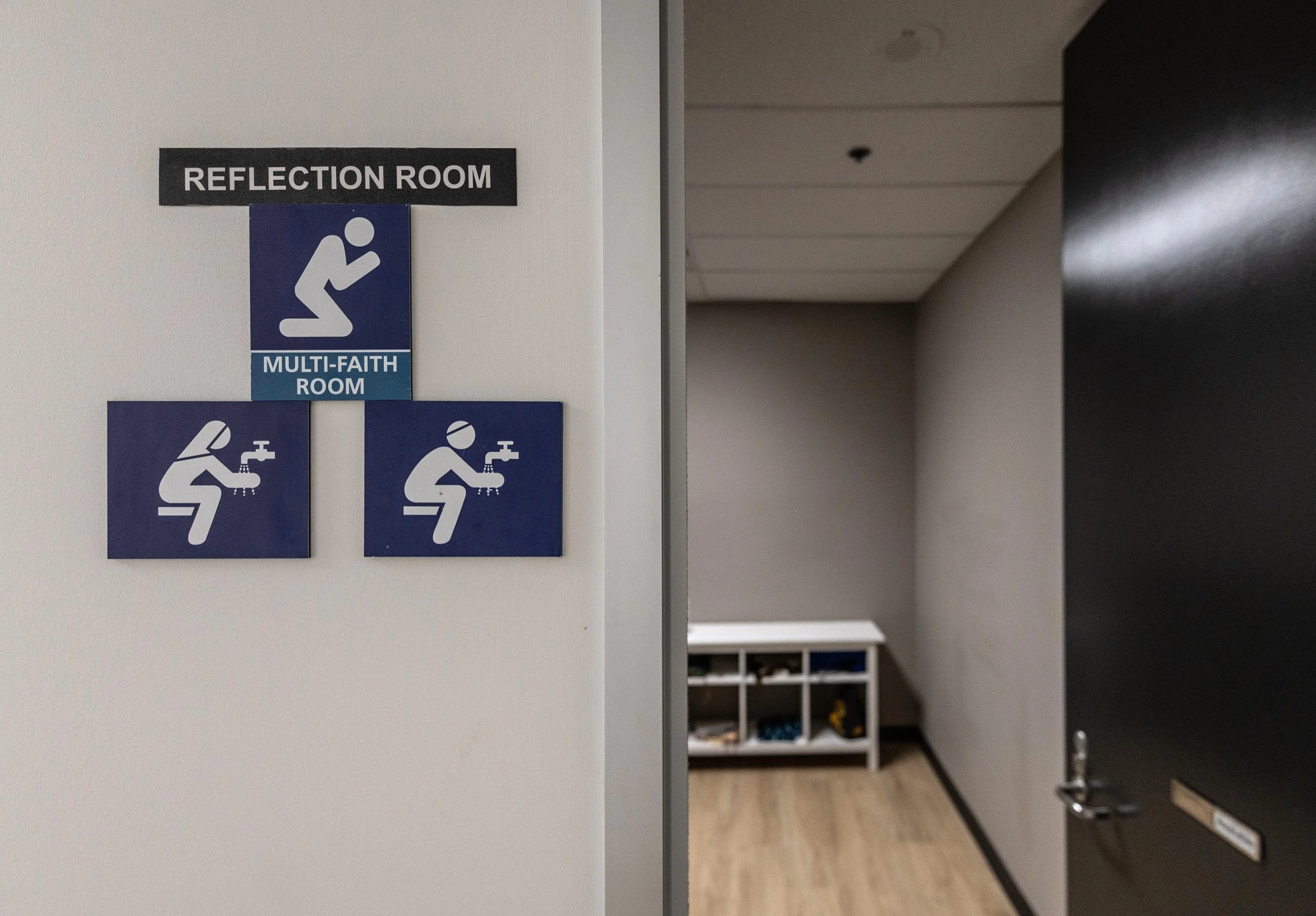
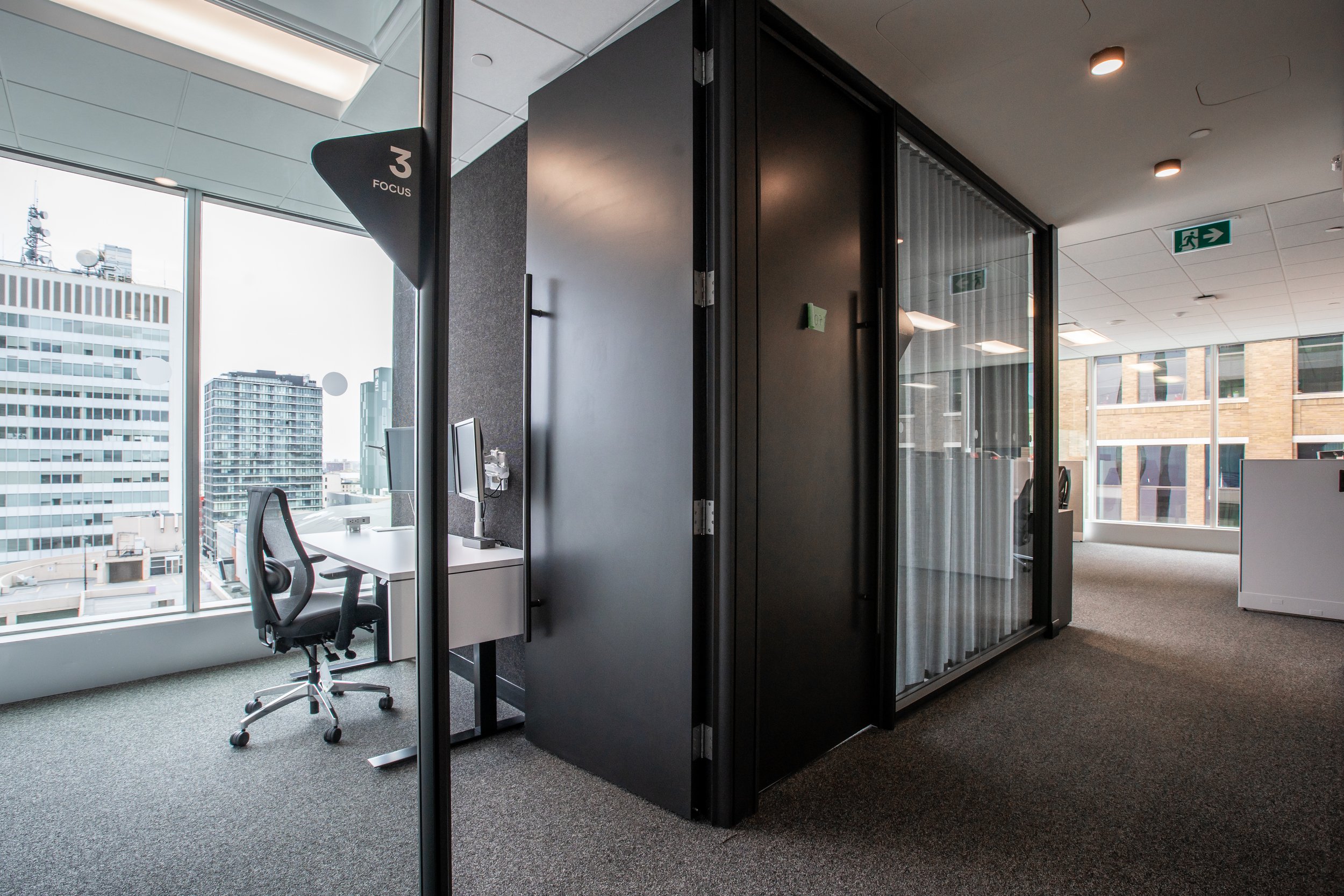
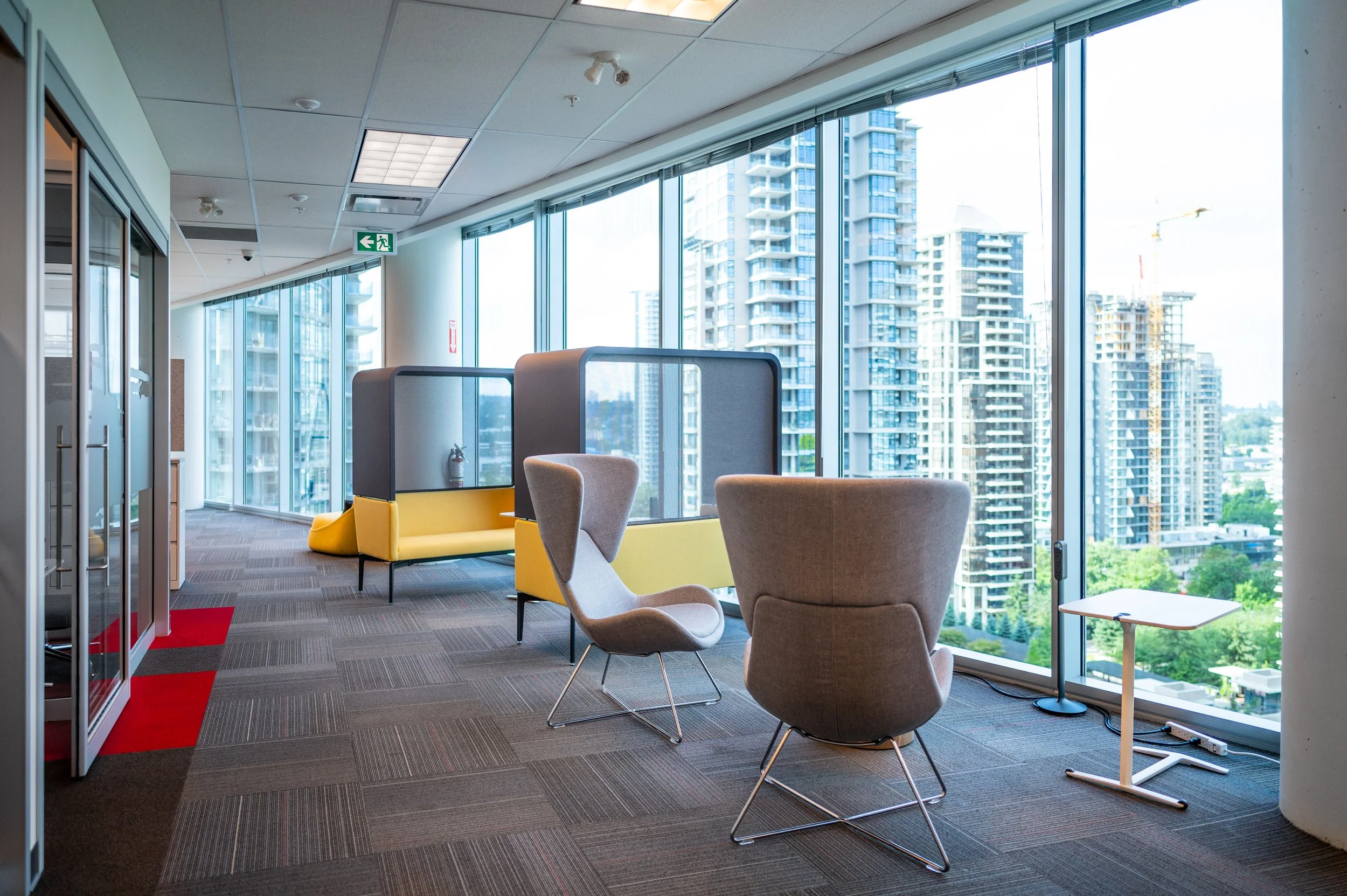
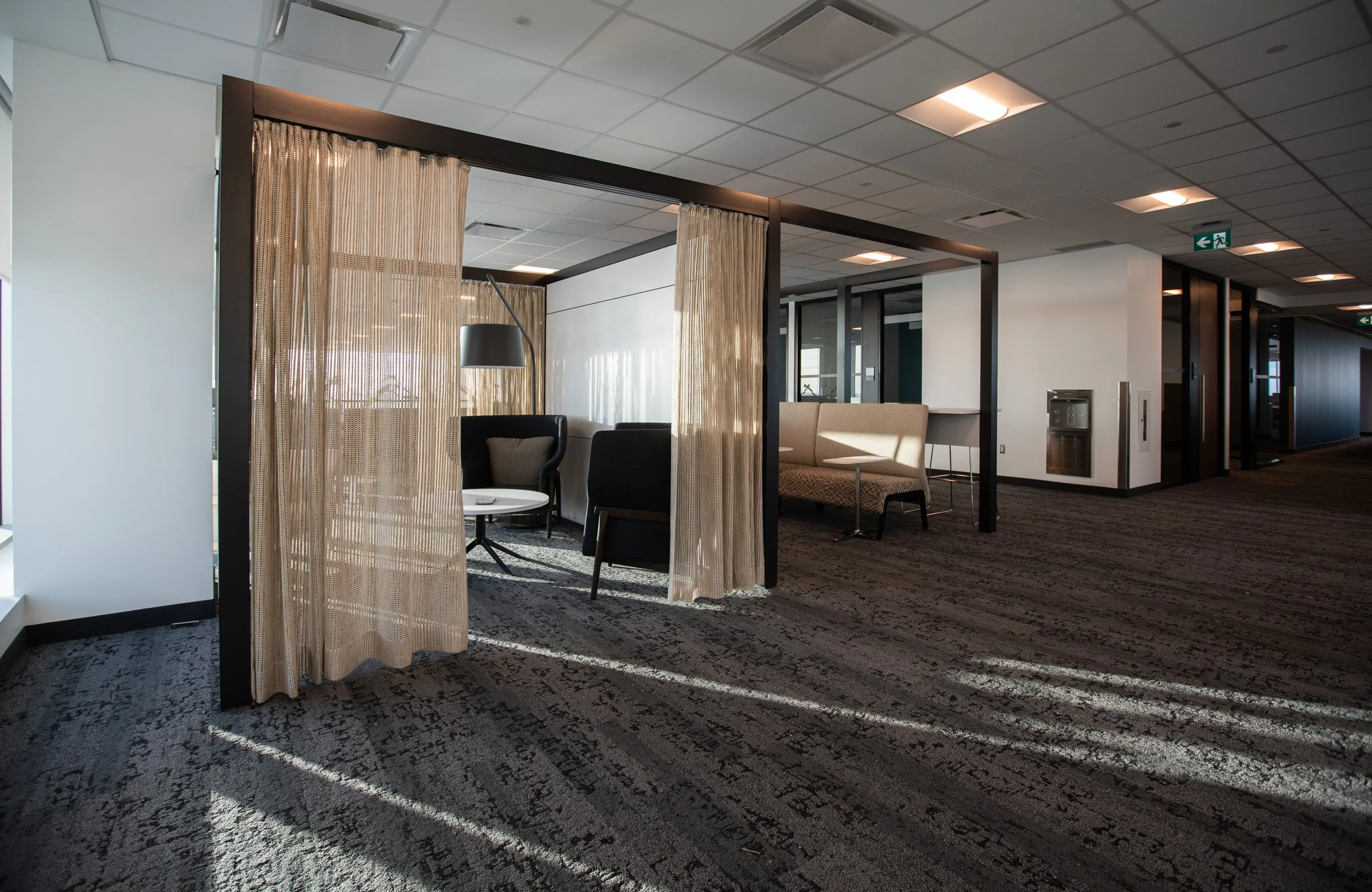
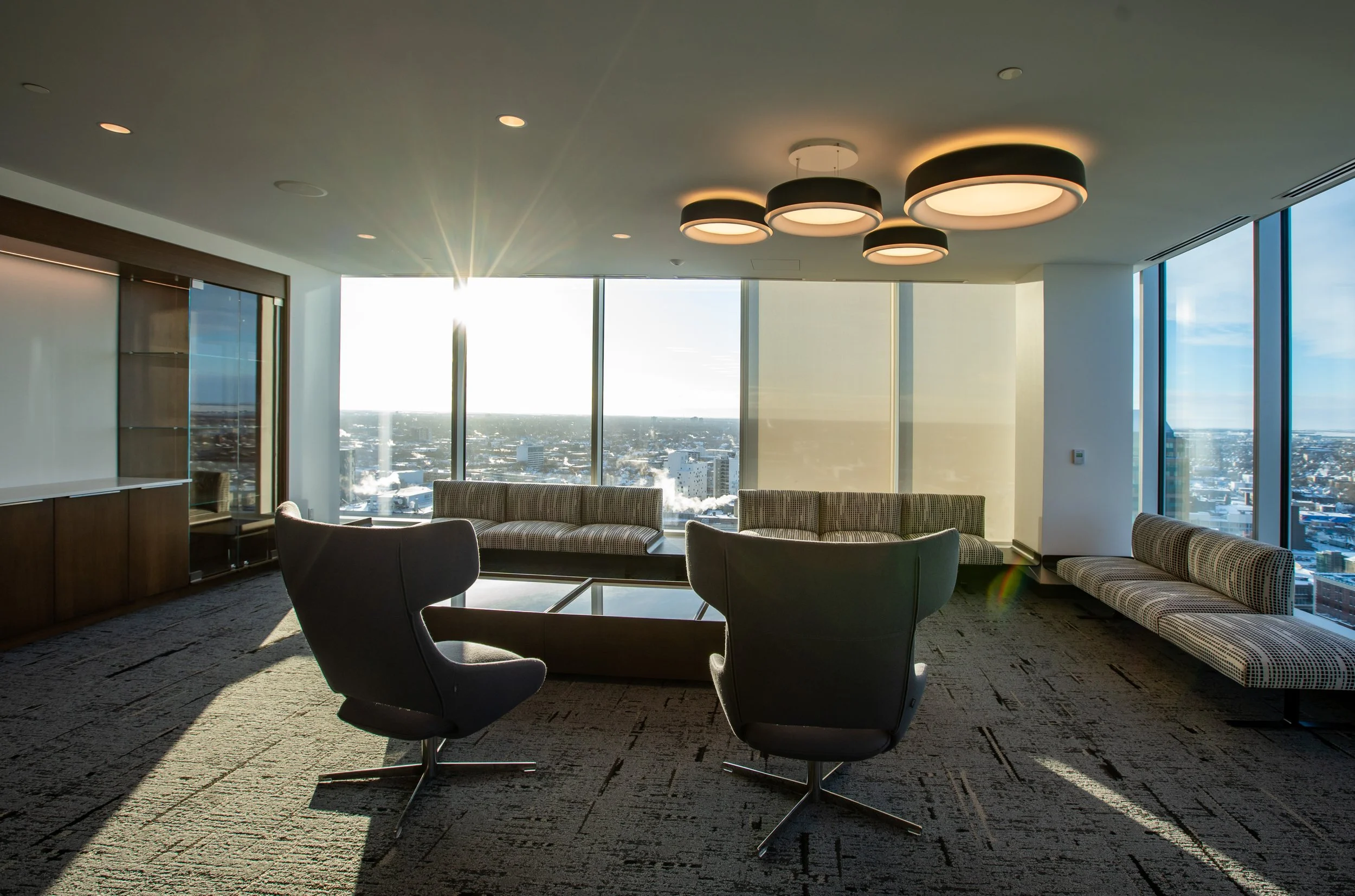
Giving staff some control over their environment can make the workplace feel more supportive. Variable lighting, accessible controls, thoughtful zoning, and adjustable window coverings help to provide individualized control. Where building systems are less customizable, enclosed spaces can still offer a quiet place to step away, reset, and reduce stimulation when needed.
Hybrid-ready technology
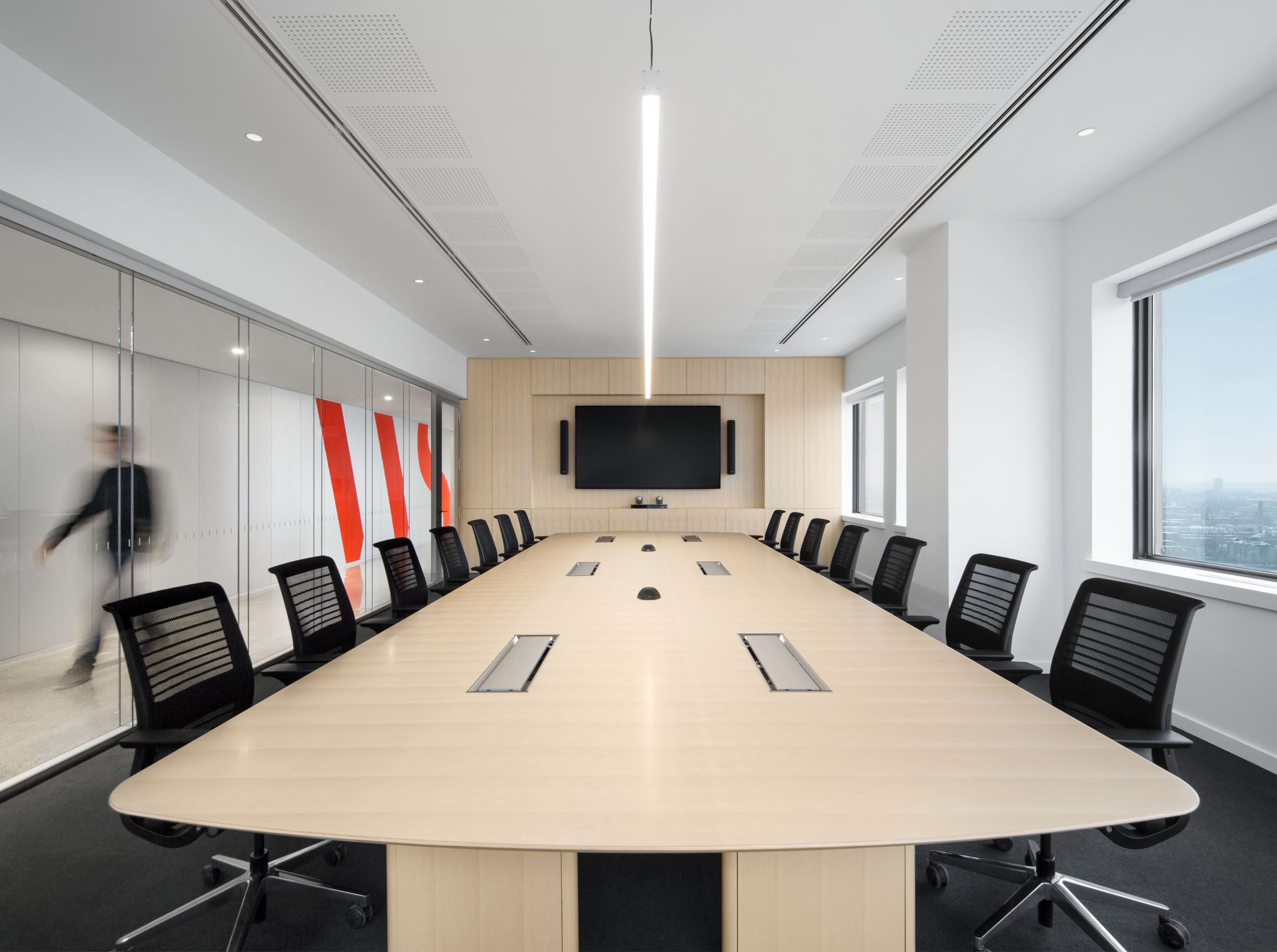
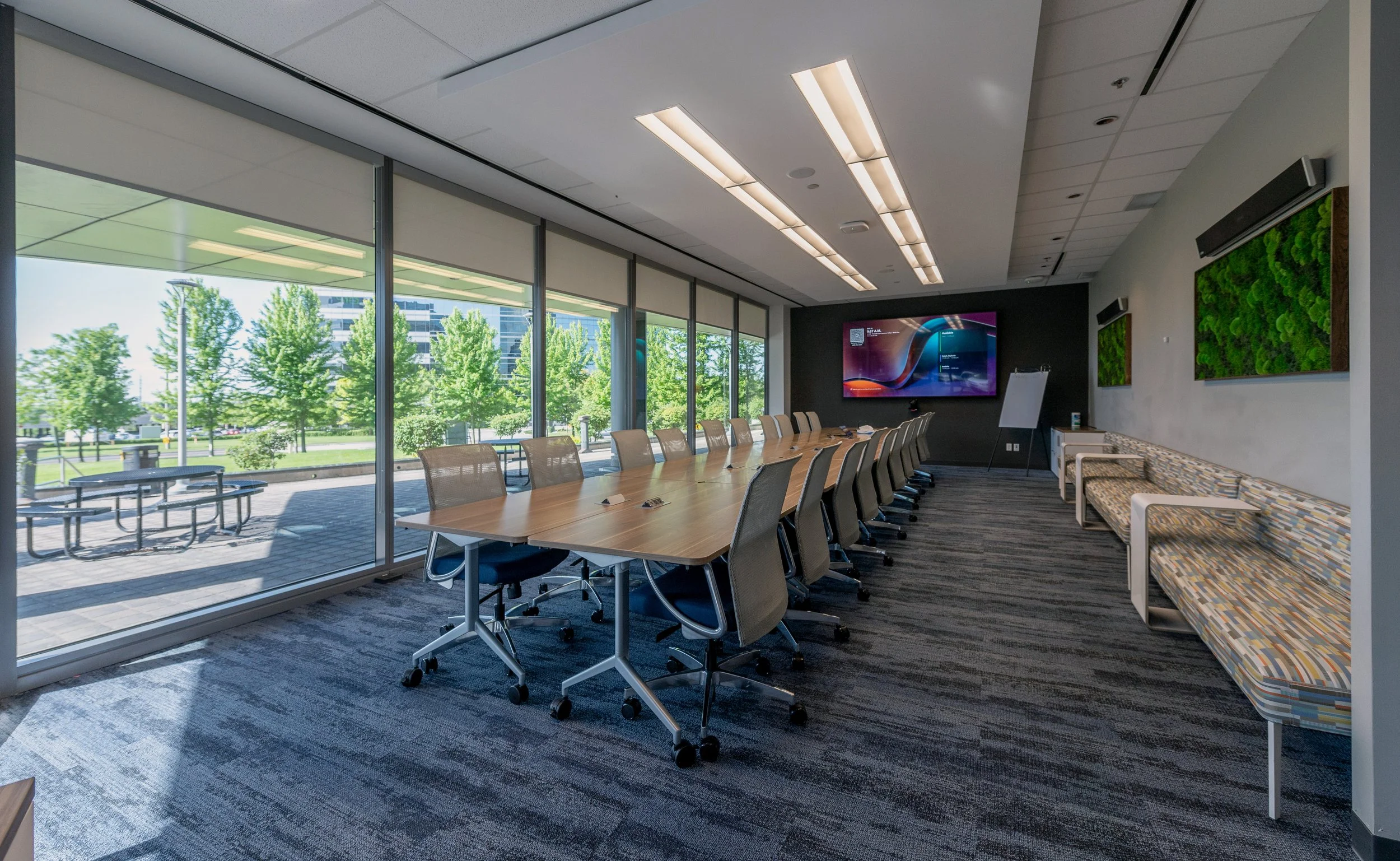
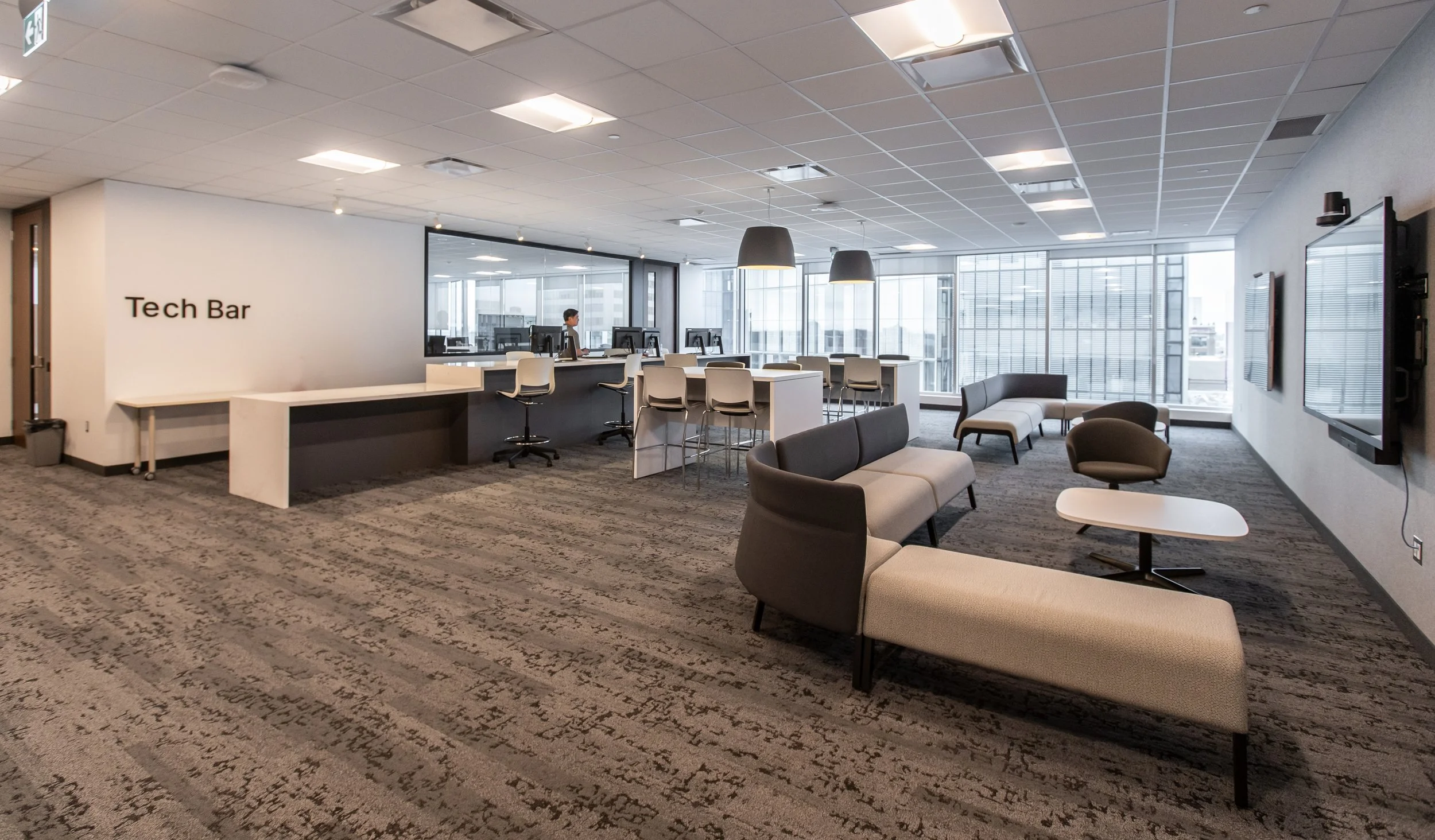
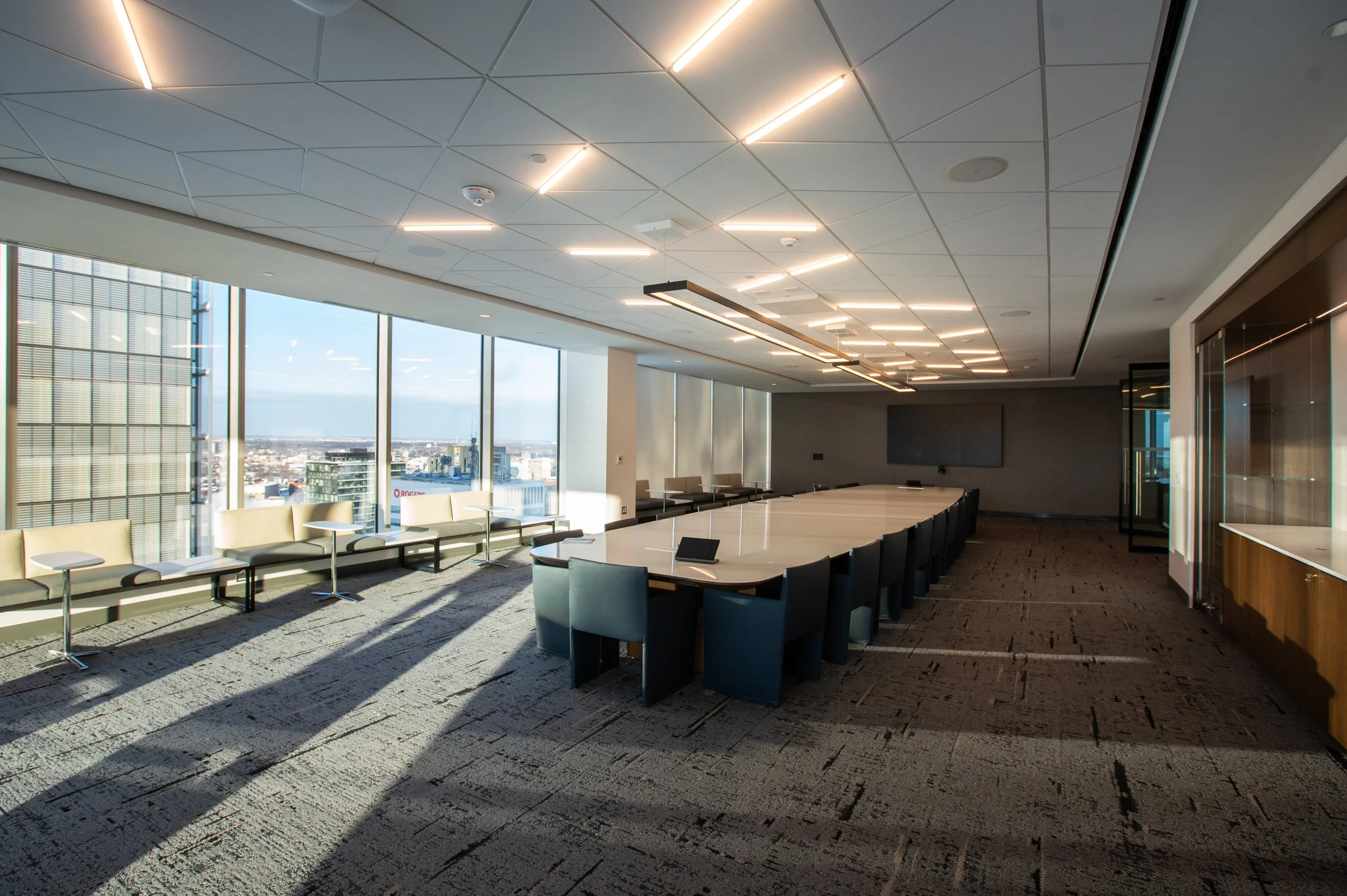
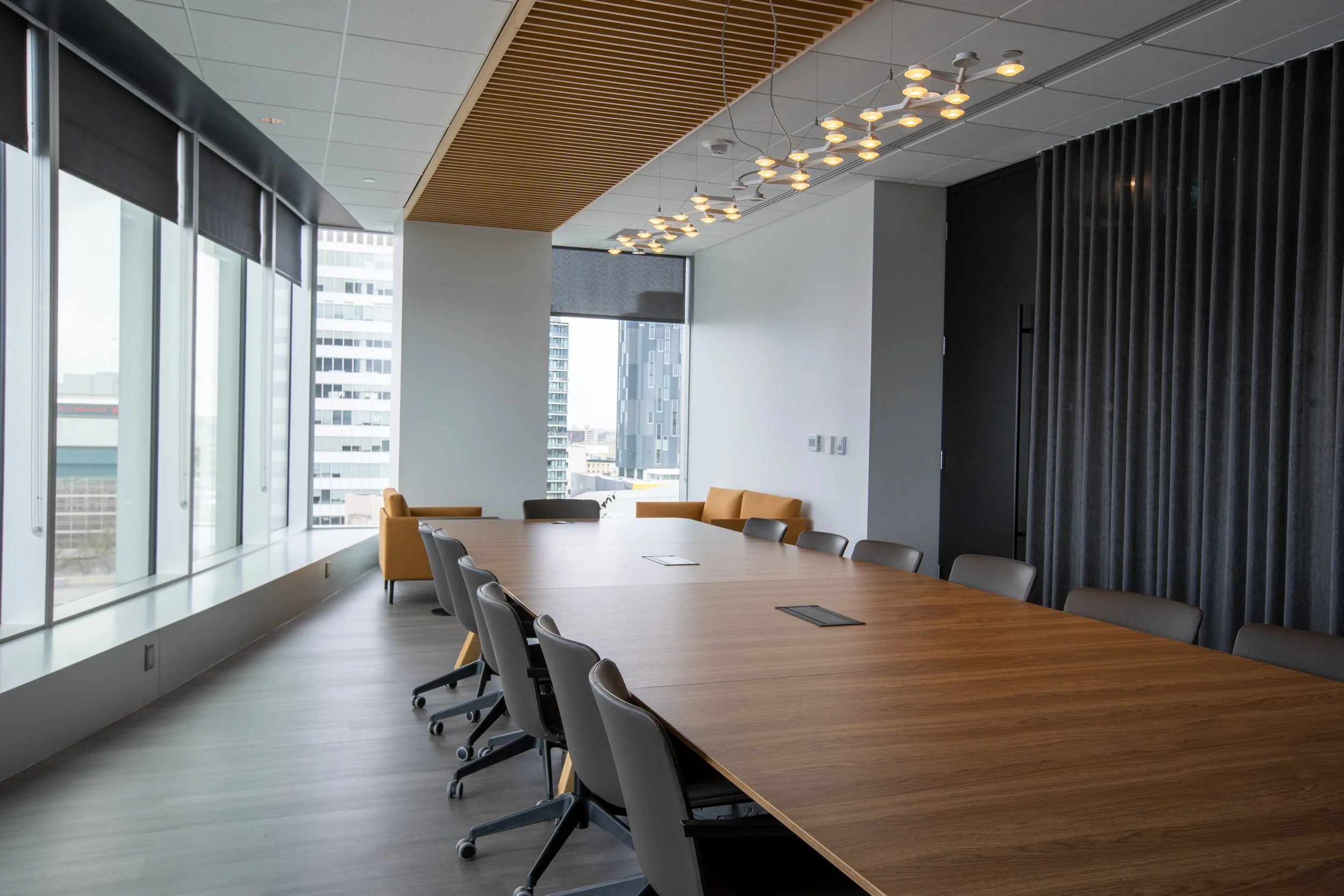
Technology needs to feel predictable, whether people are in the room or joining remotely. In a hybrid workplace, different settings should offer familiar ways to connect, so people can move from a workstation to a focus room to a meeting space without losing momentum. Consistent tools, clear setup, sound attenuation, lighting, and content-sharing features all shape whether each space feels seamless, equitable, and ready to use.
Ergonomics and support
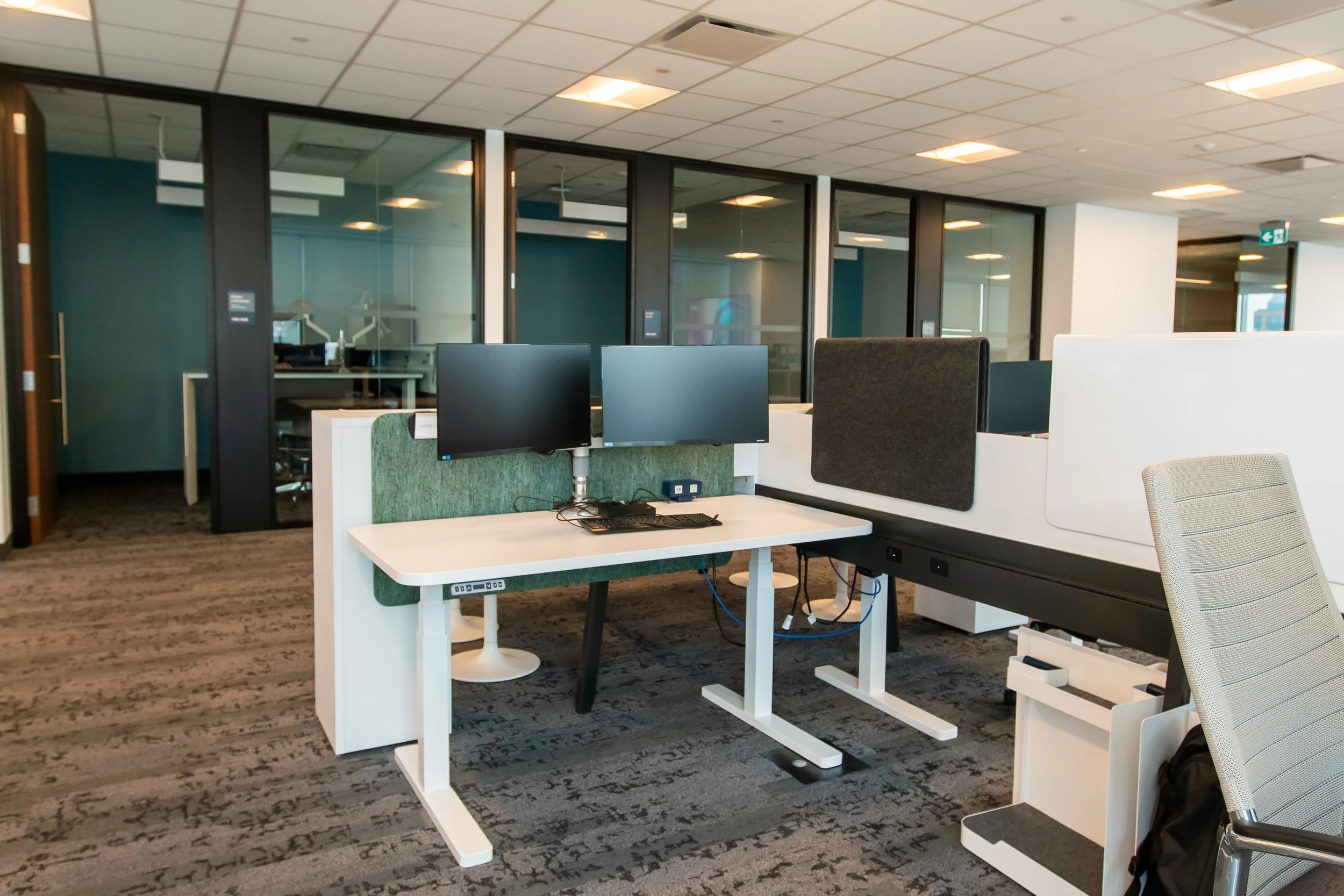
In a non-assigned work environment, workstations and seating need to support a range of users, body types, and mobility needs. Familiar ergonomic features, adjustable surfaces, and simple, consistent setups help people move between spaces with confidence. Storage also becomes more important. Lockers, shared storage areas, and community hubs can keep everyday functions such as mail, filing, coffee, lunch, and printing close at hand.
Designed around people & place
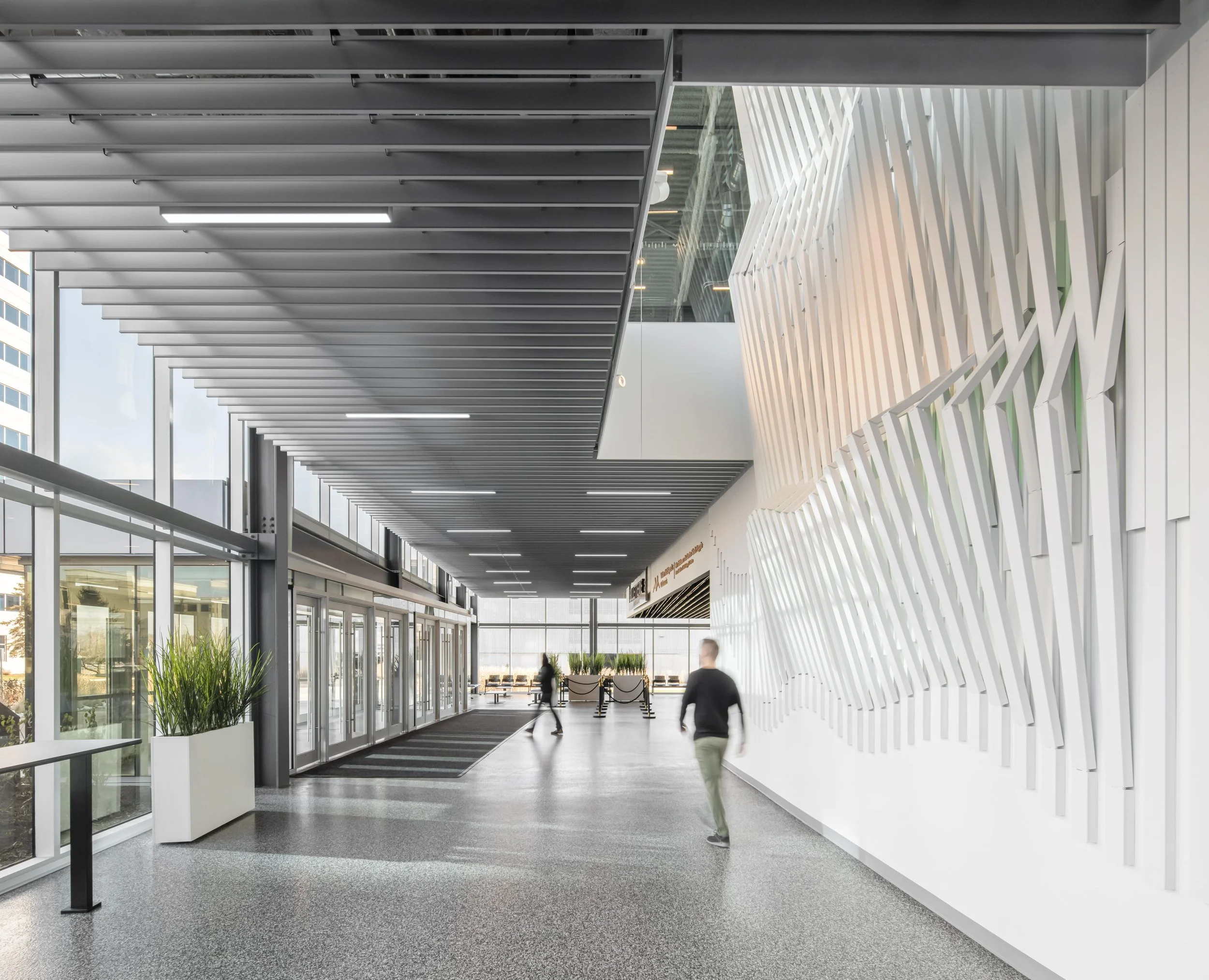
The design of the space itself remains a significant part of the solution. Adjacencies matter. Proximity matters. When teams and individuals are located in ways that support how work happens, collaboration becomes easier and inefficiencies are reduced.
Spaces that work harder
When employees are not using a desk or office full time, those spaces can take on more than one function. With the right technology, flexible furnishings, and a clean desk approach, a single area can support different needs throughout the day. These simple shifts make the workplace more useful, inclusive, and responsive to how people move through their day.
Flexibility and choice
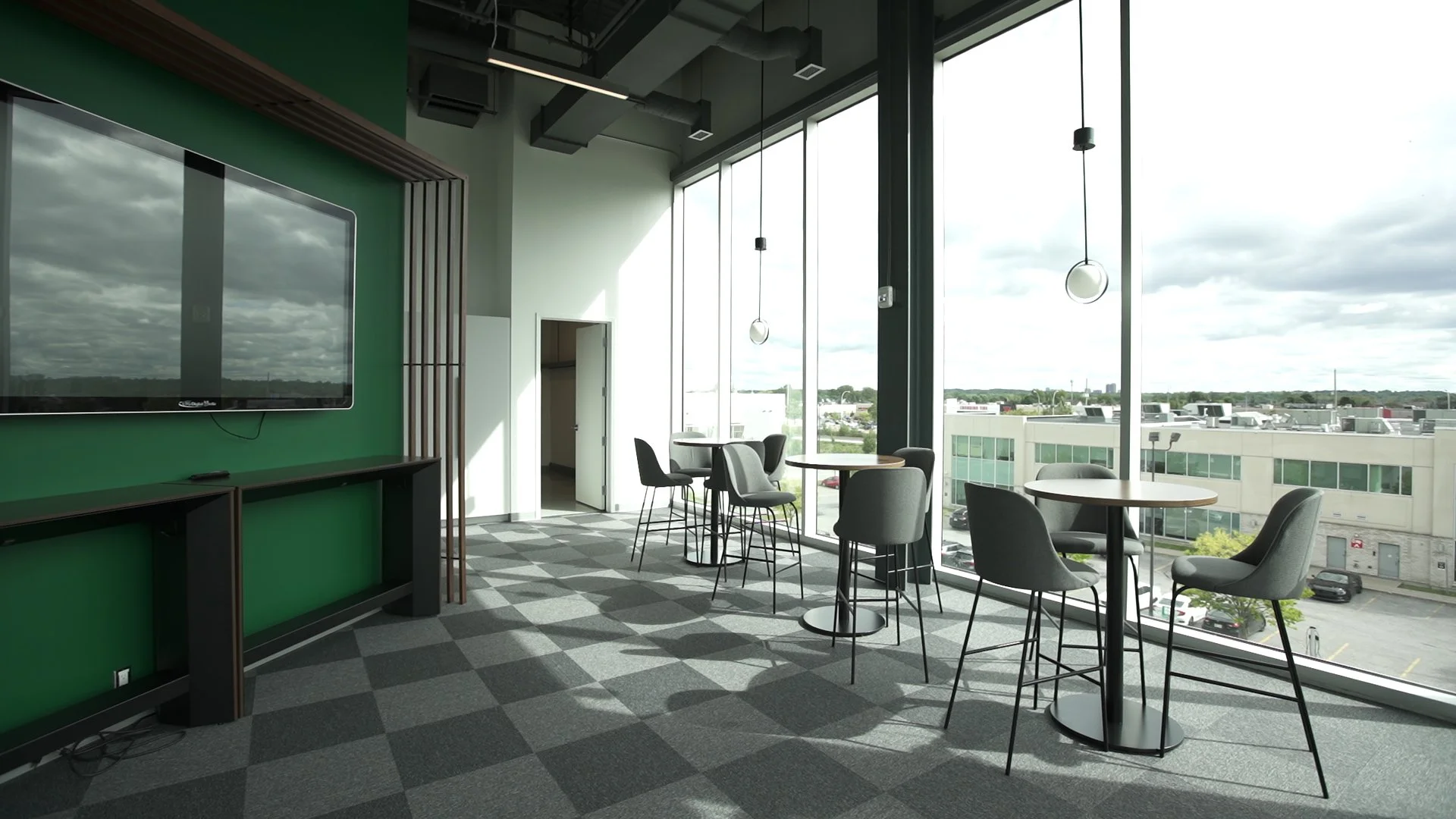
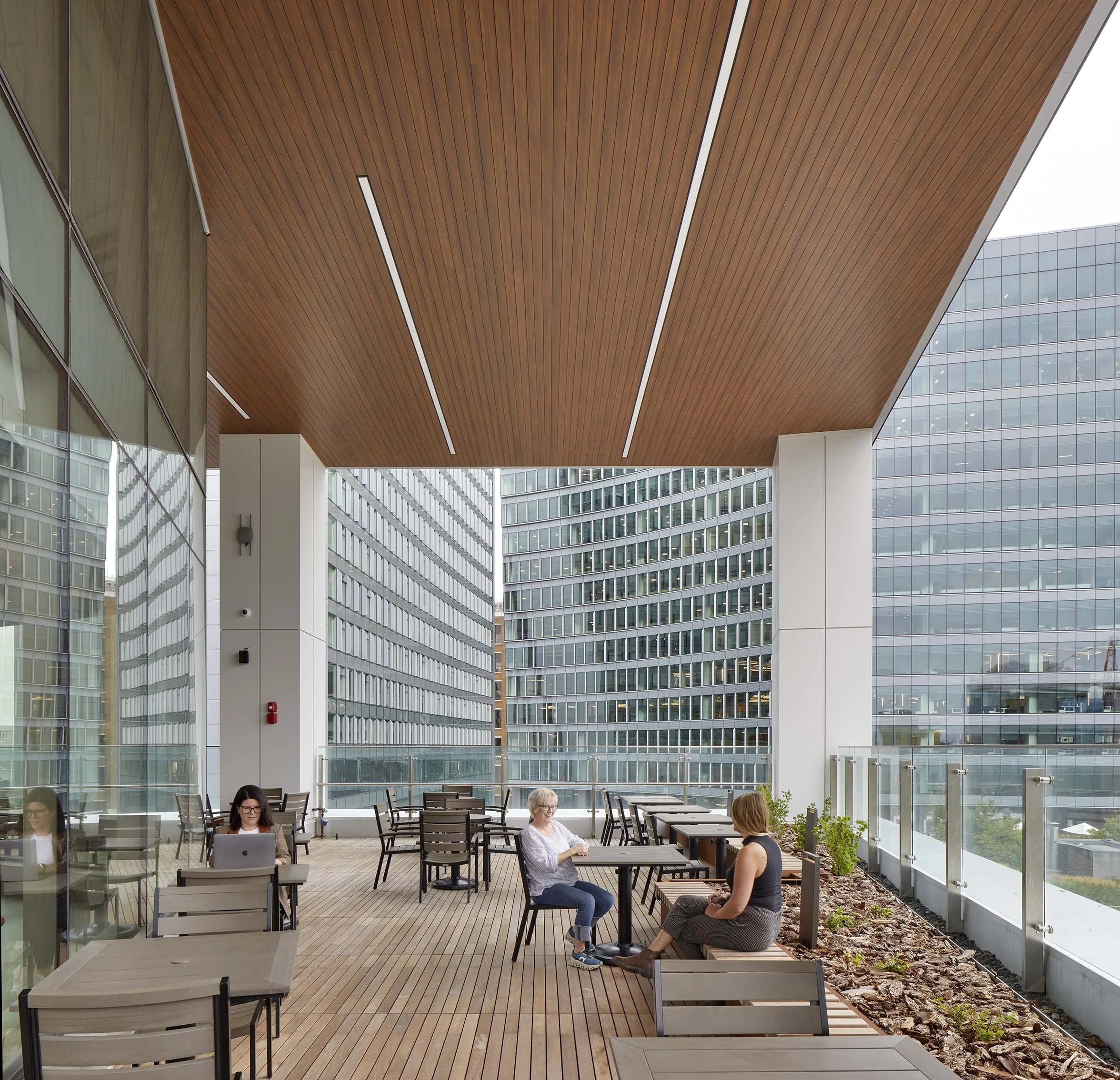
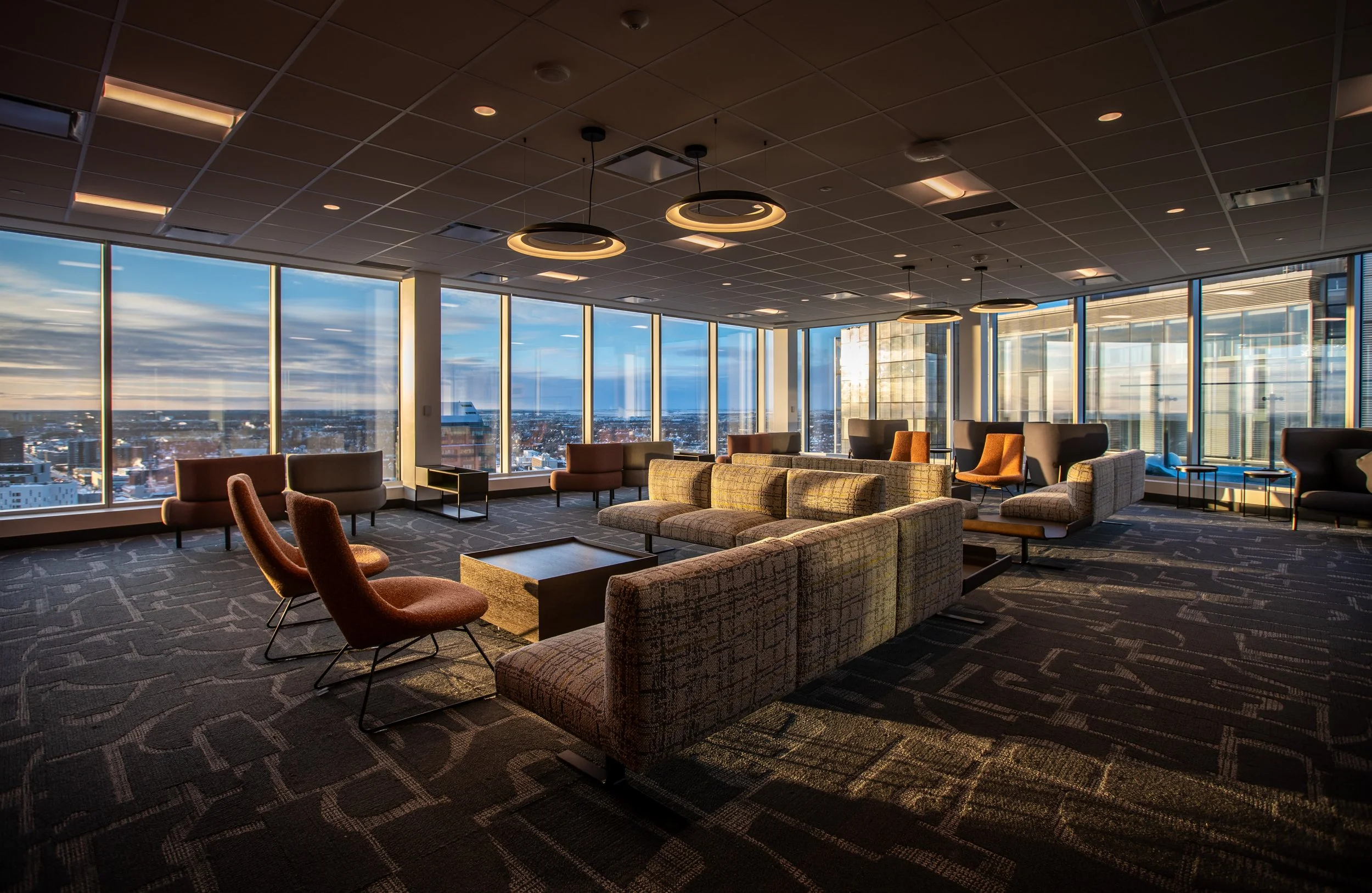
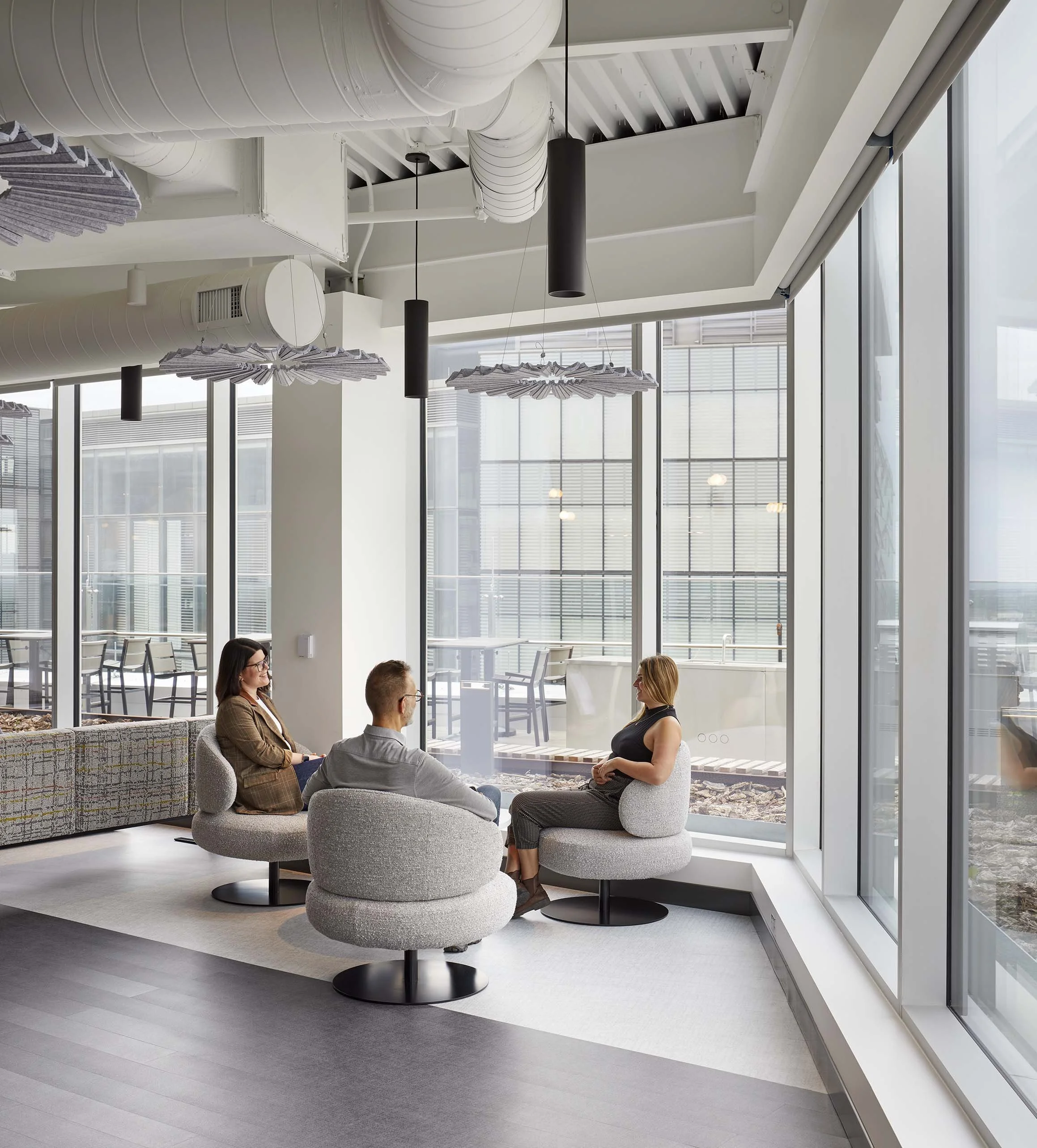
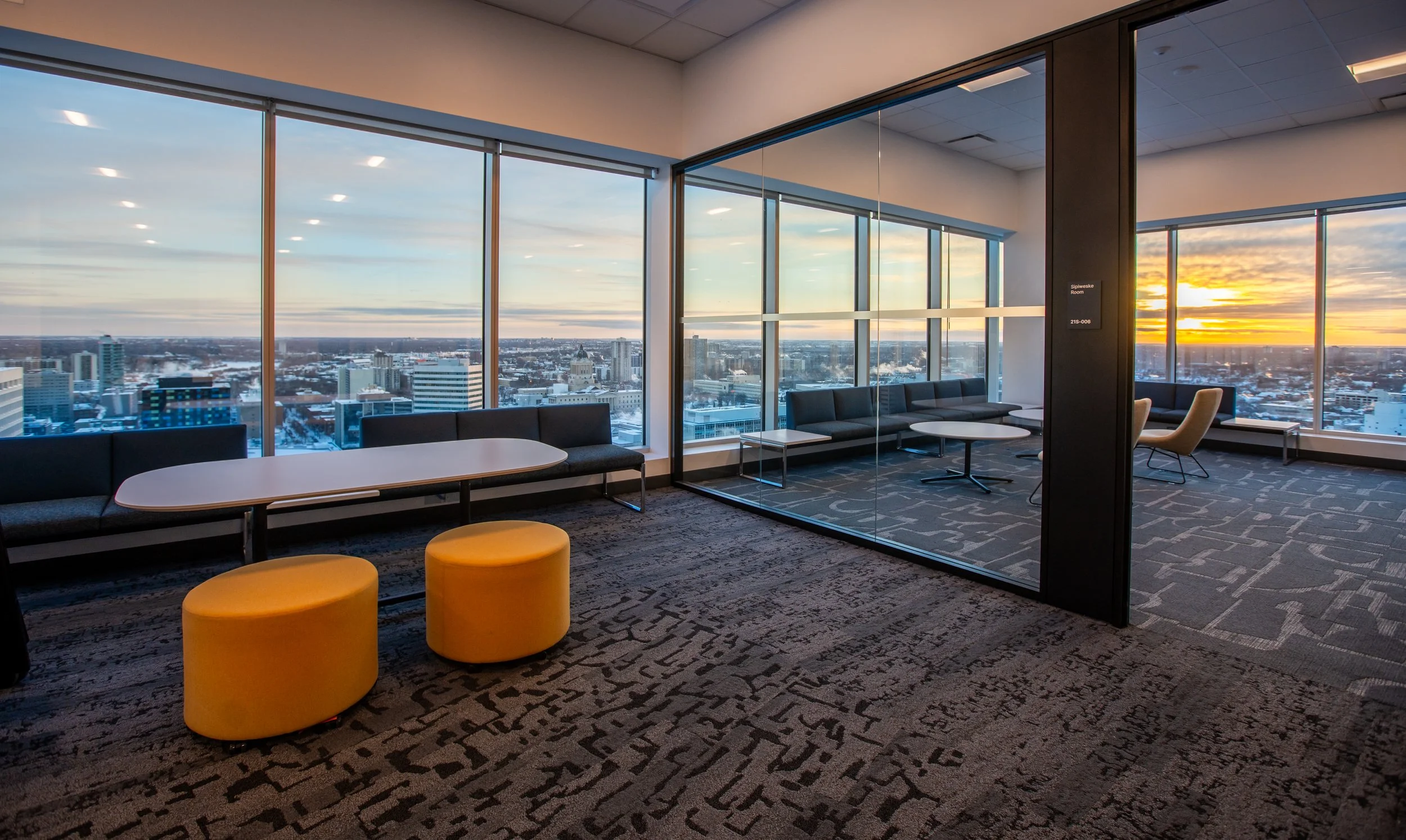
Choice is central to a flexible workplace. People need different settings depending on the task, from individual focus to more collaborative work, and adaptable furniture can help spaces shift as the day unfolds. The goal is a thoughtful mix of spaces that feel intuitive, dependable, and clearly suited to different ways of working.
Principles of Workplace Design

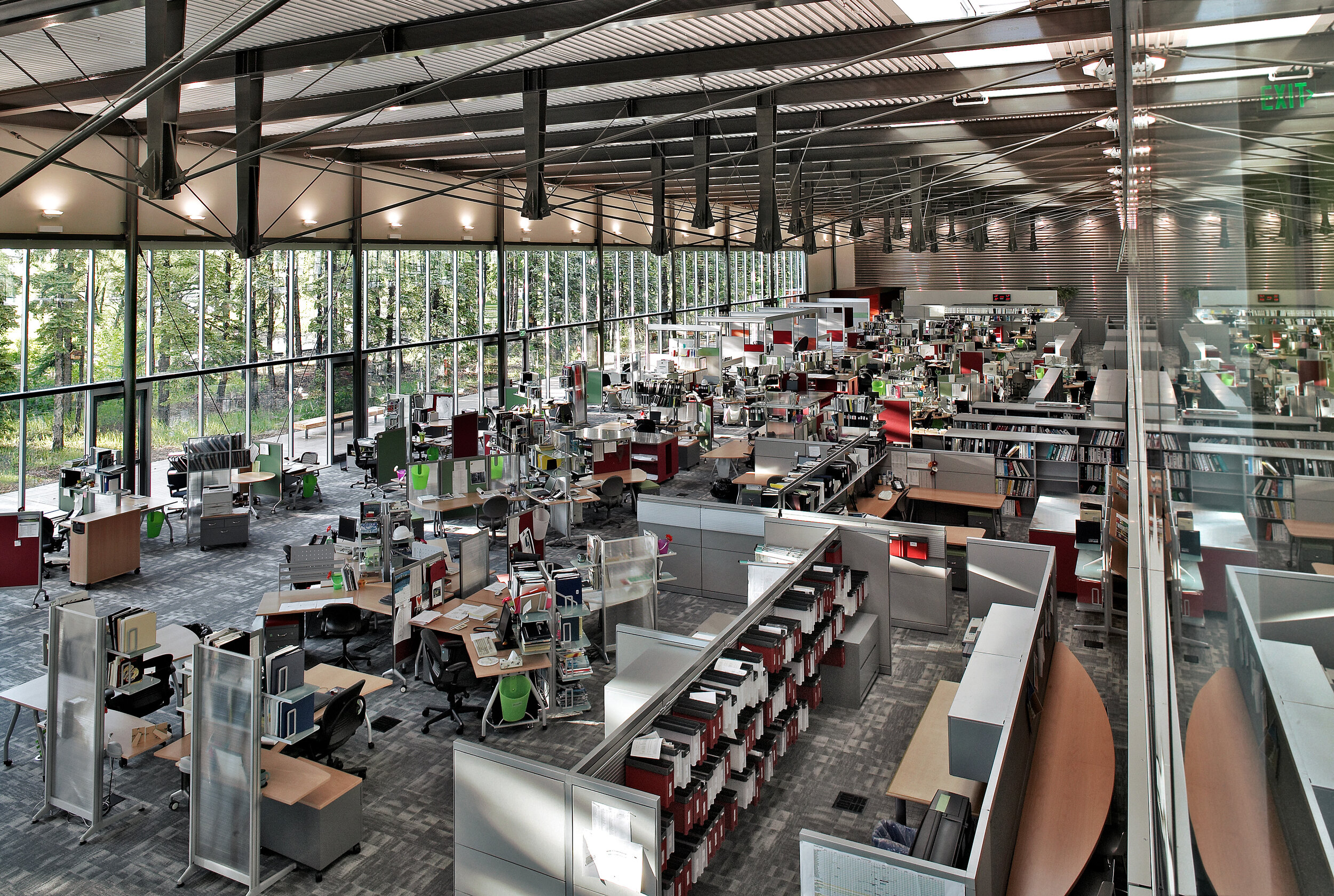


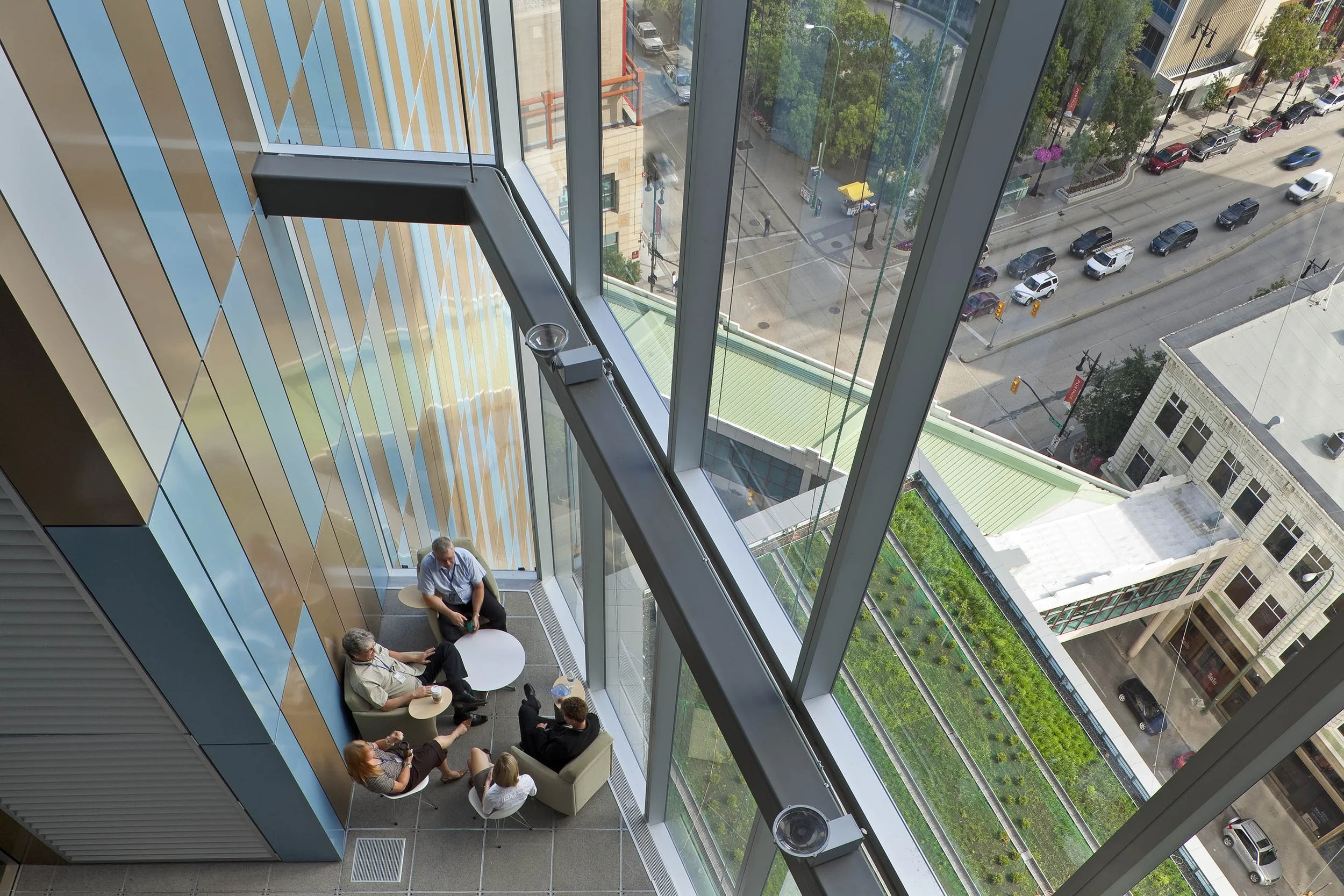
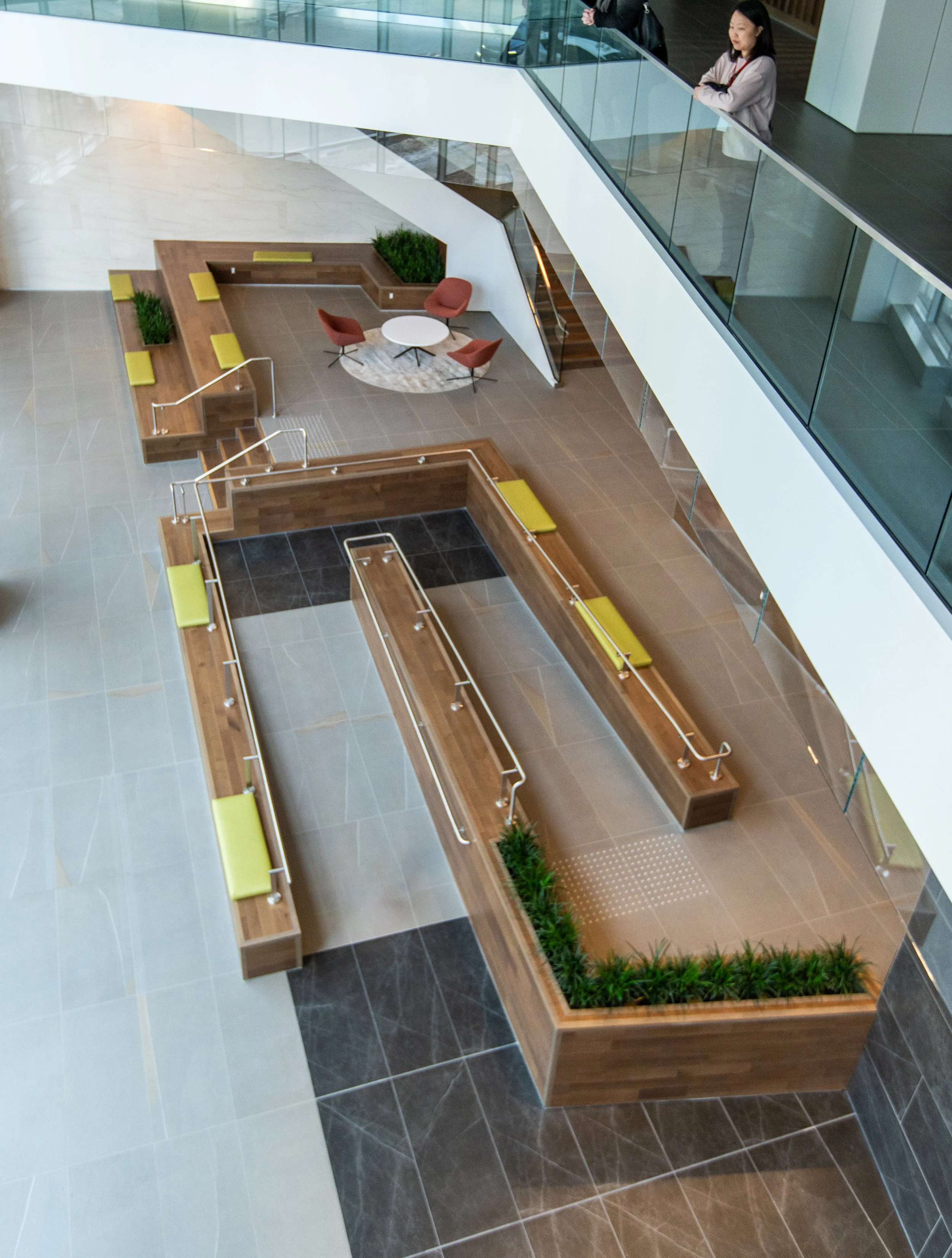
Project Feature: Wawanesa HQ
Workplace Samples